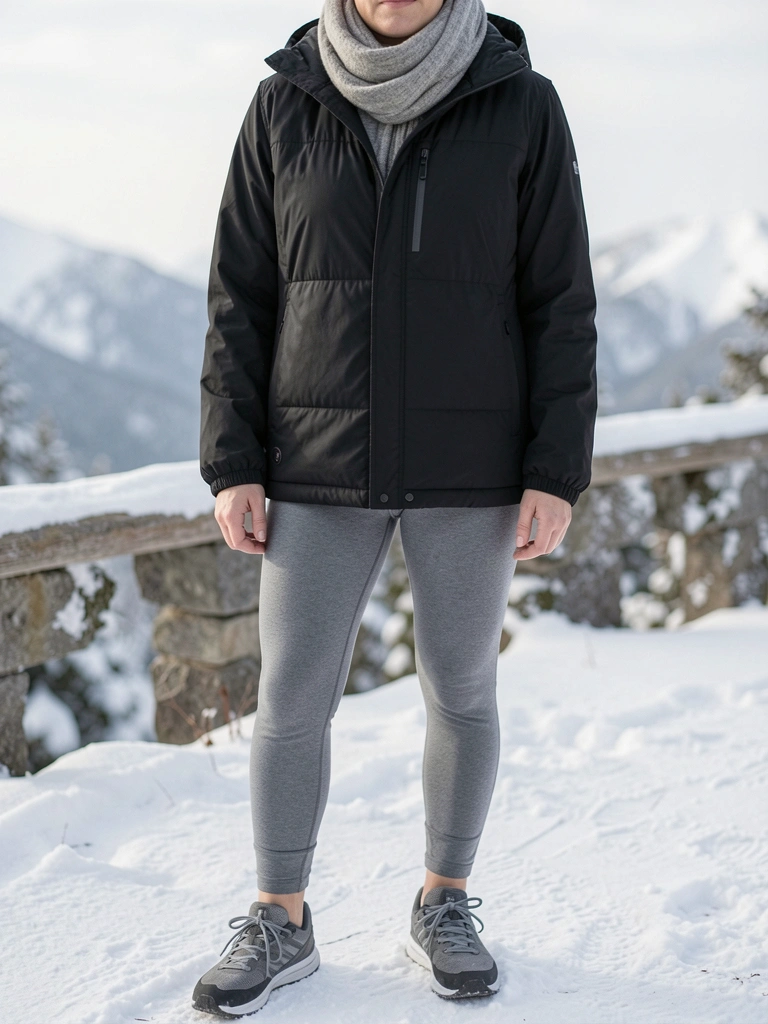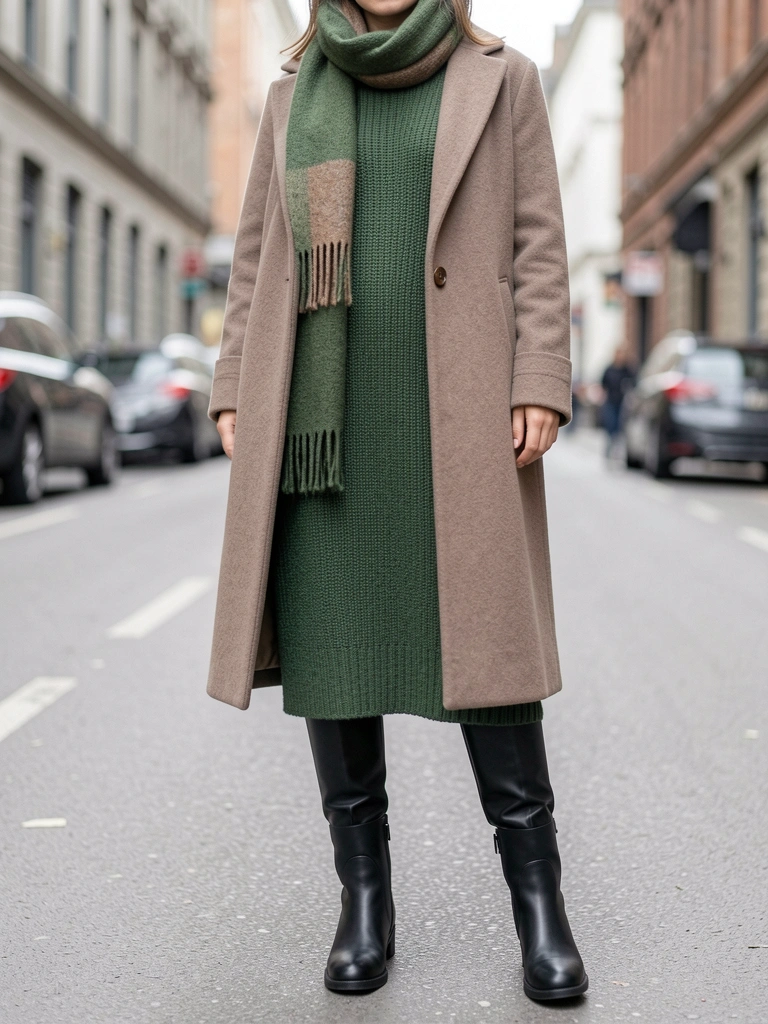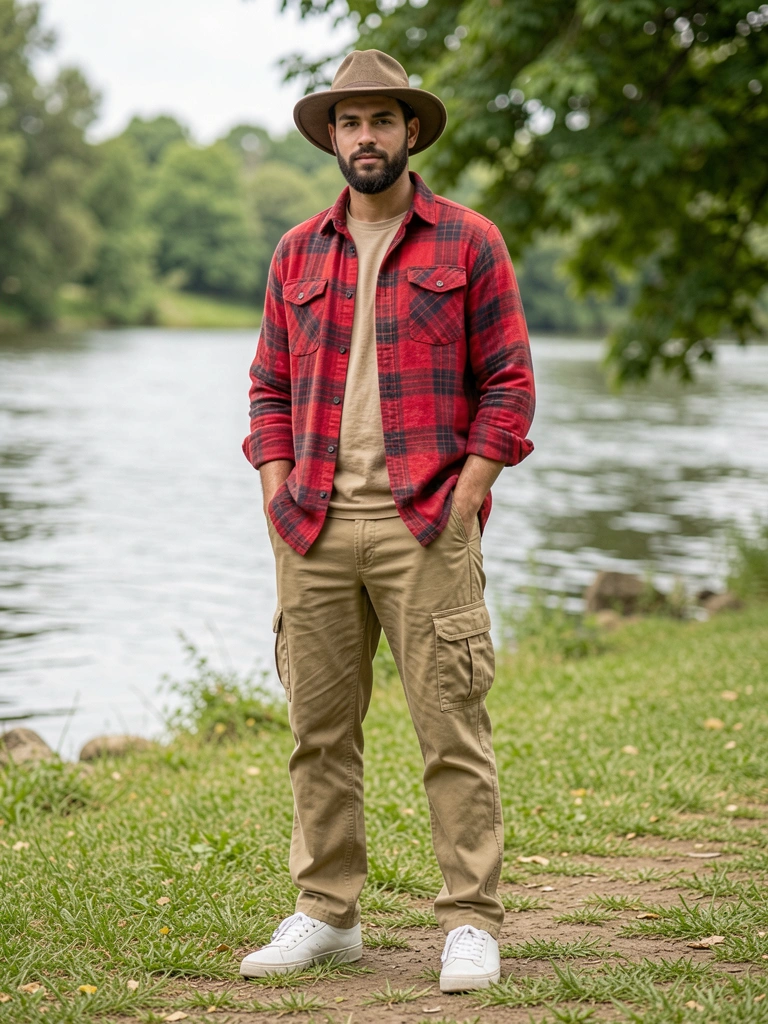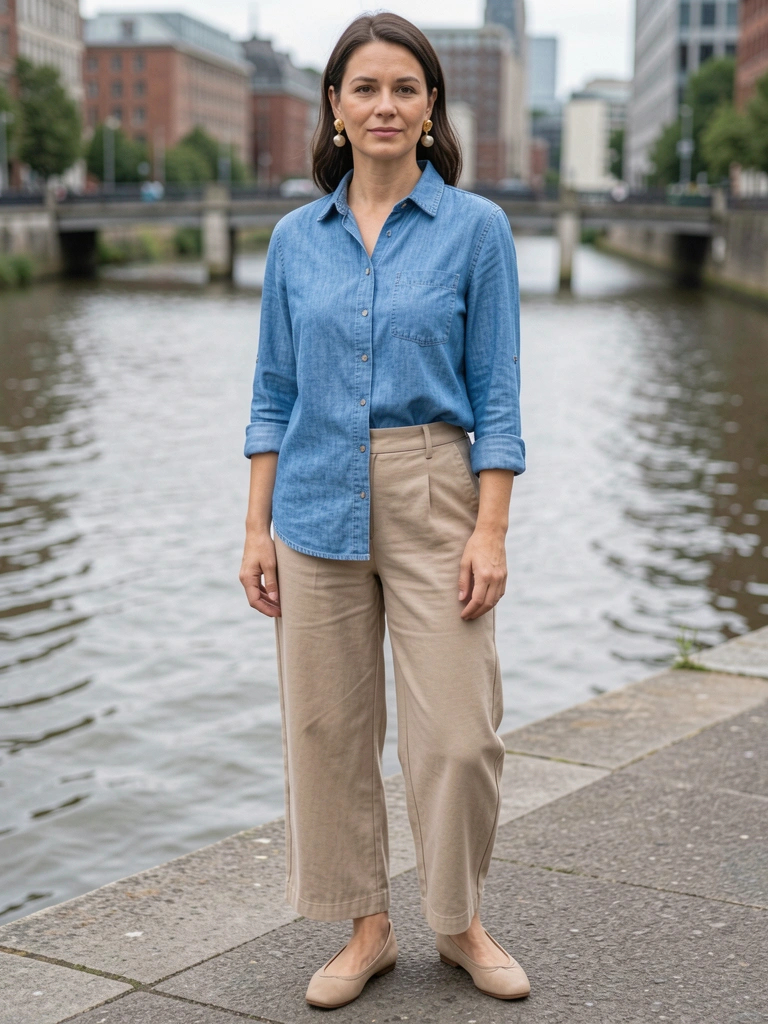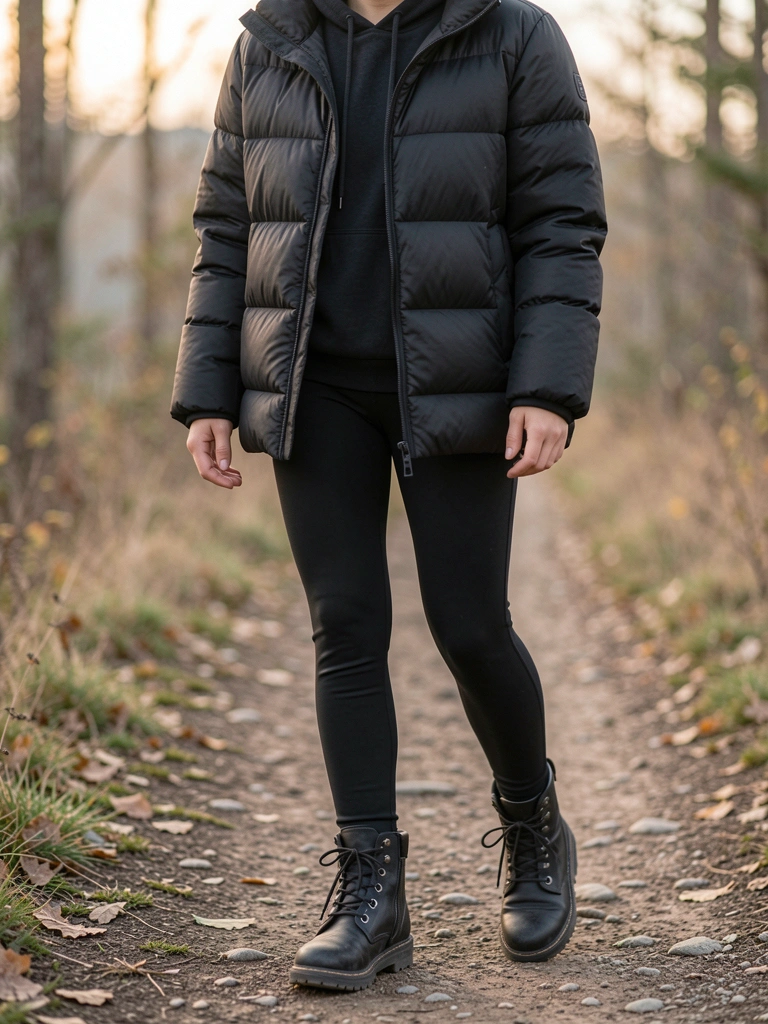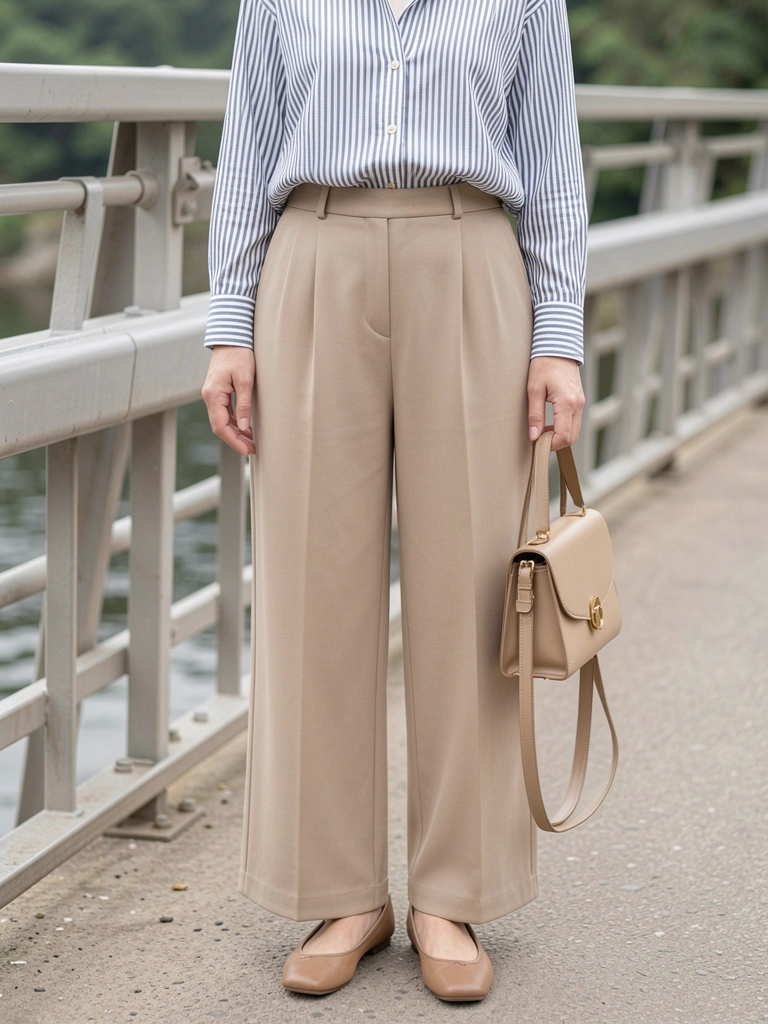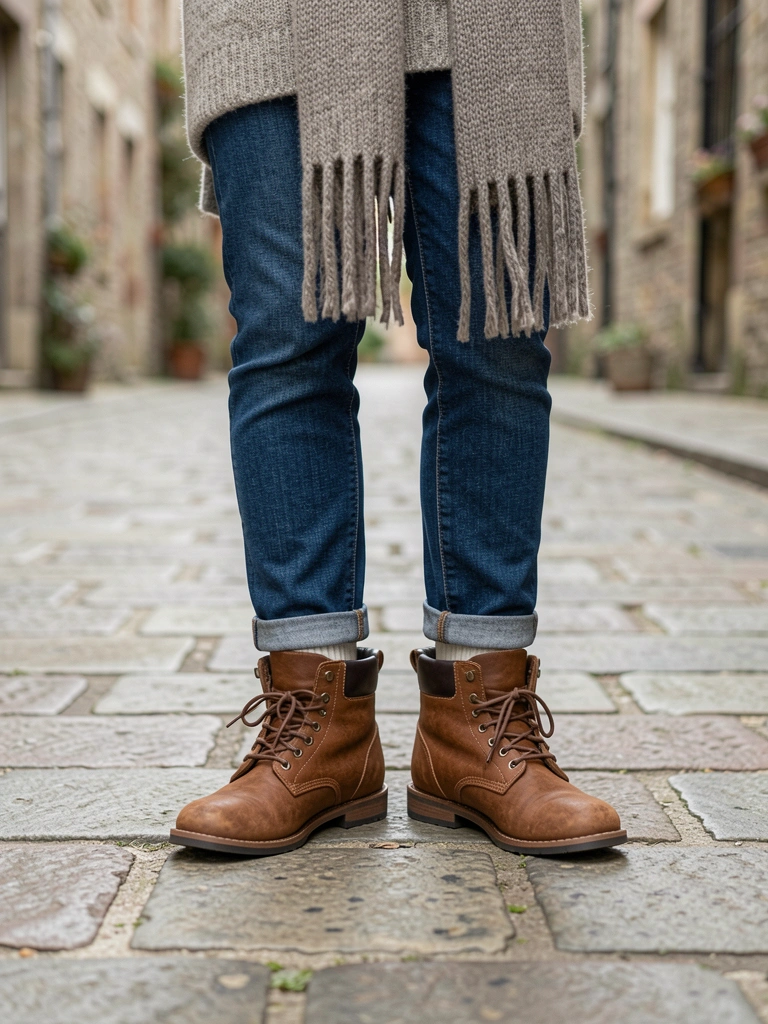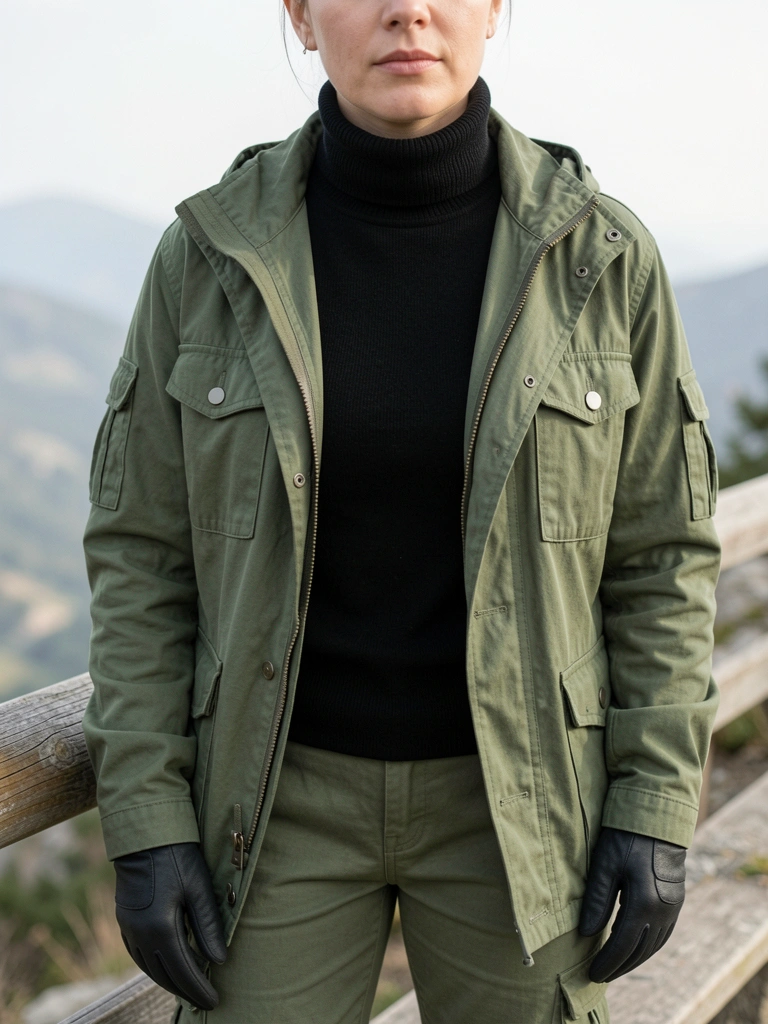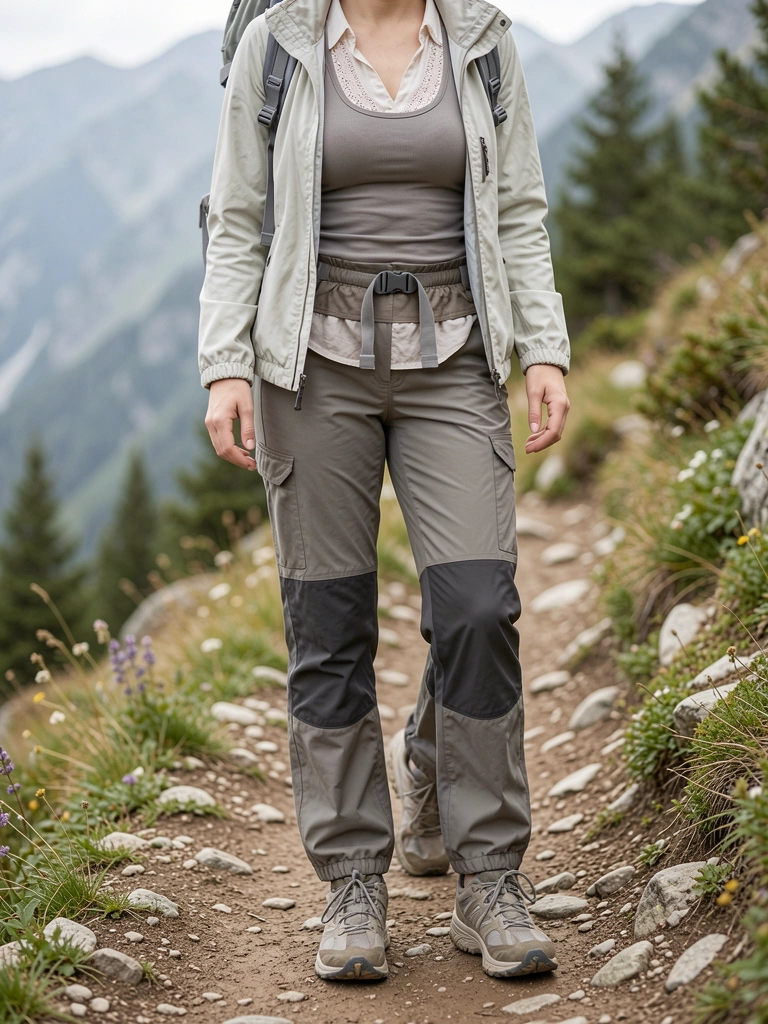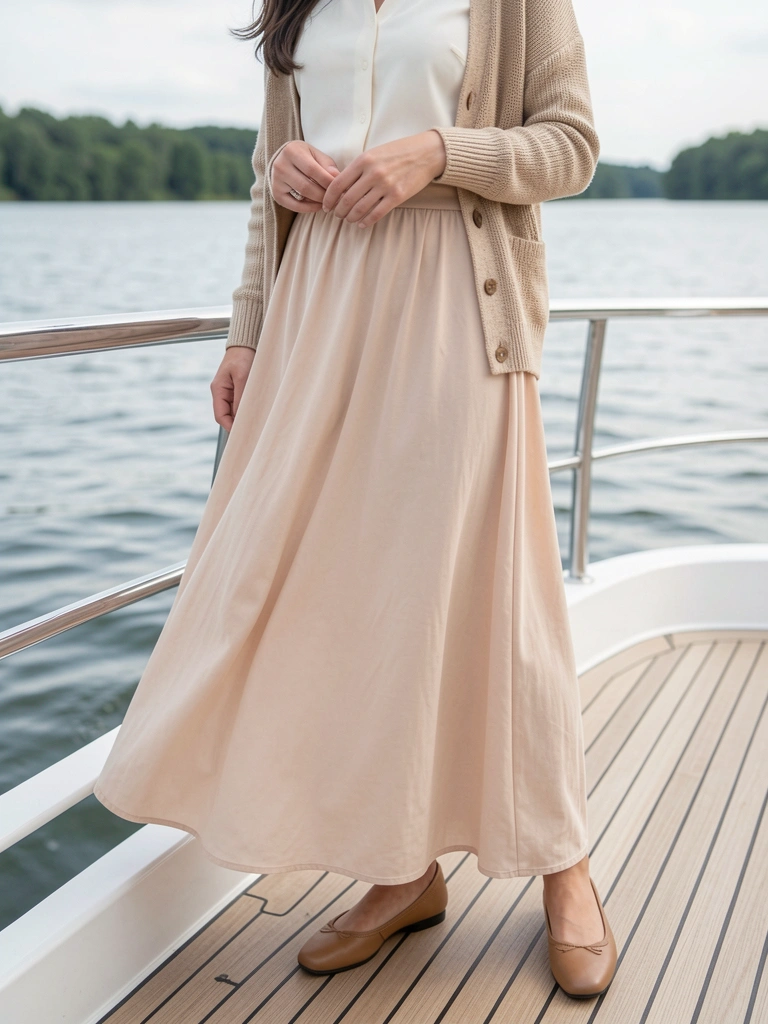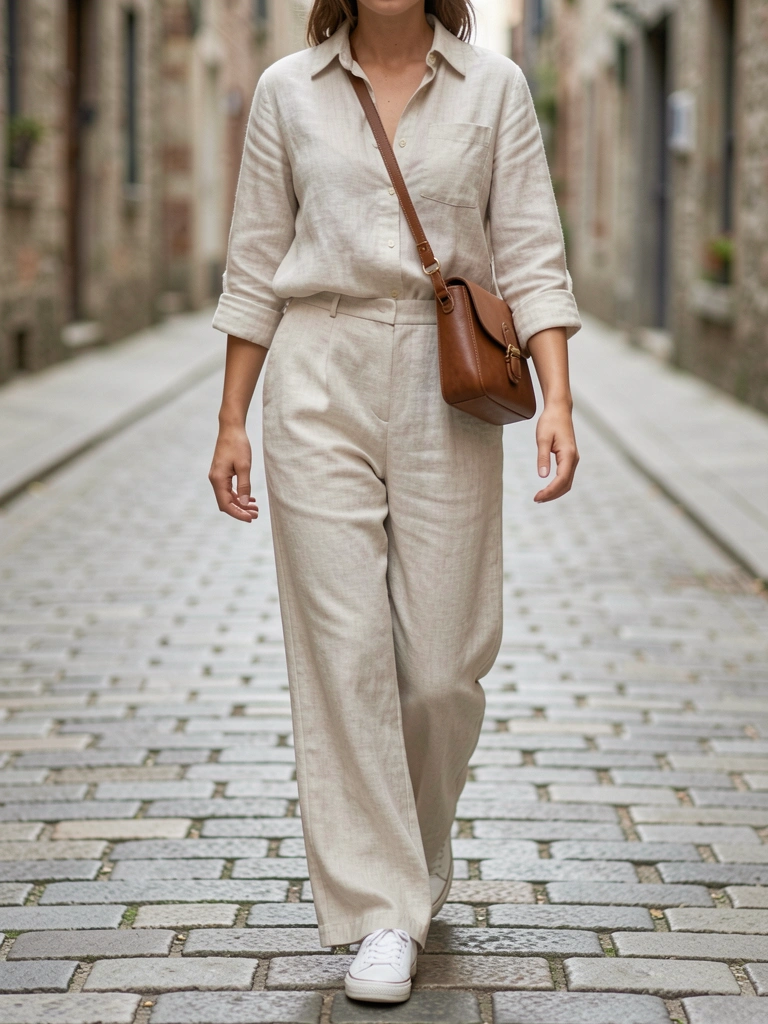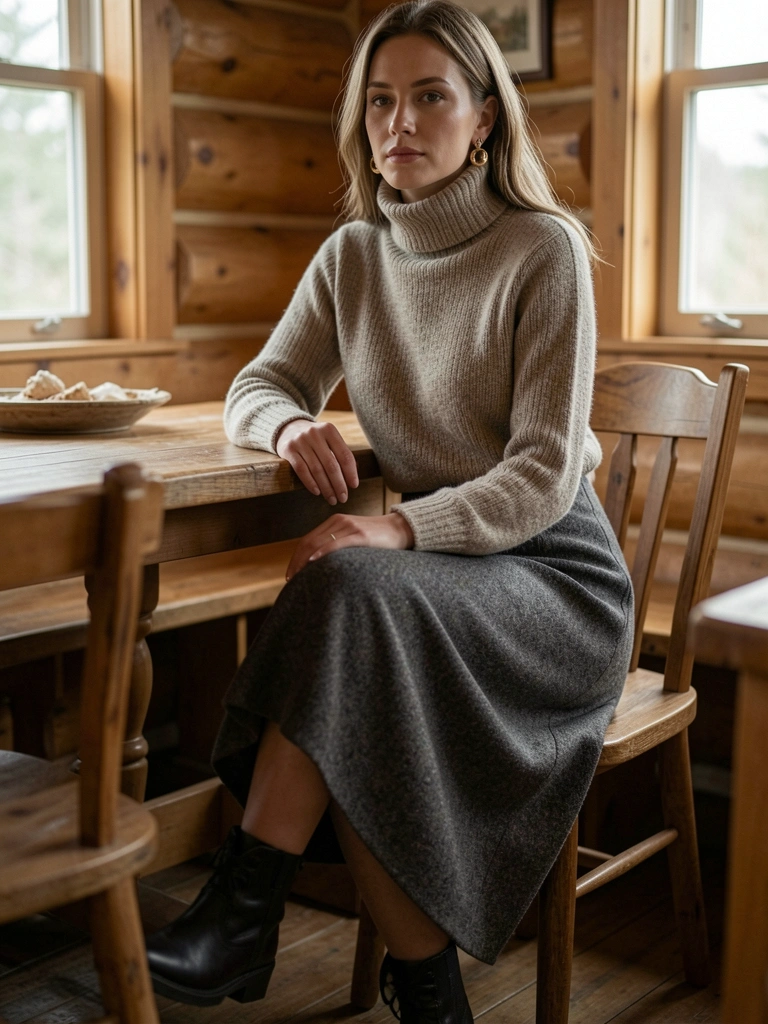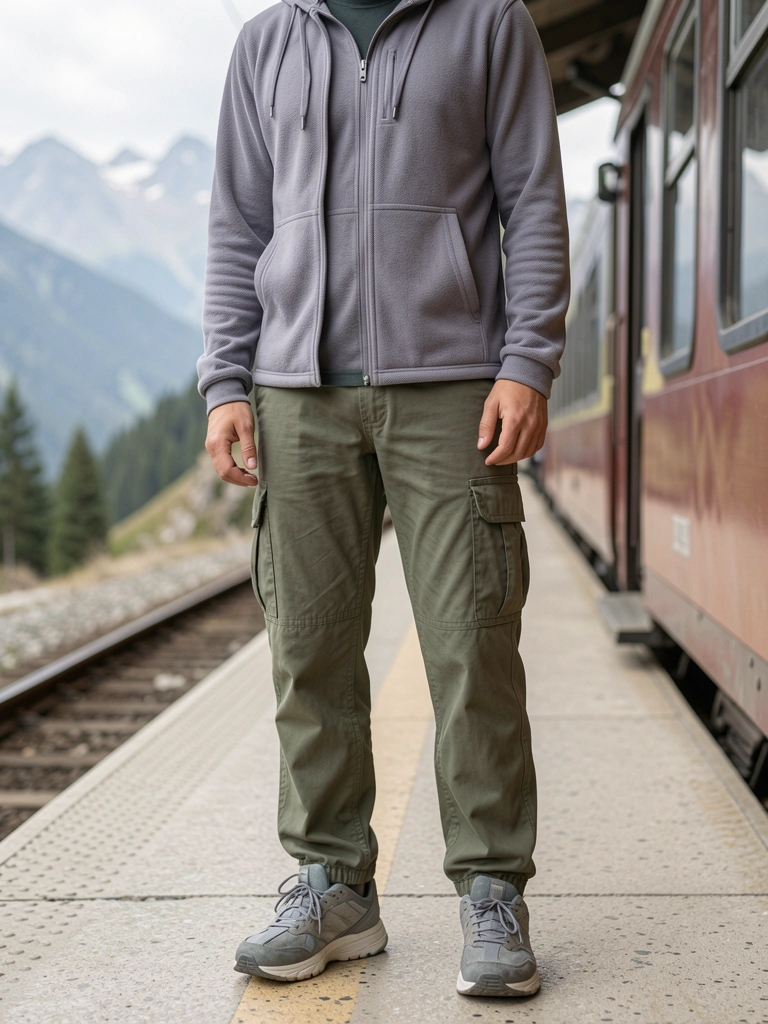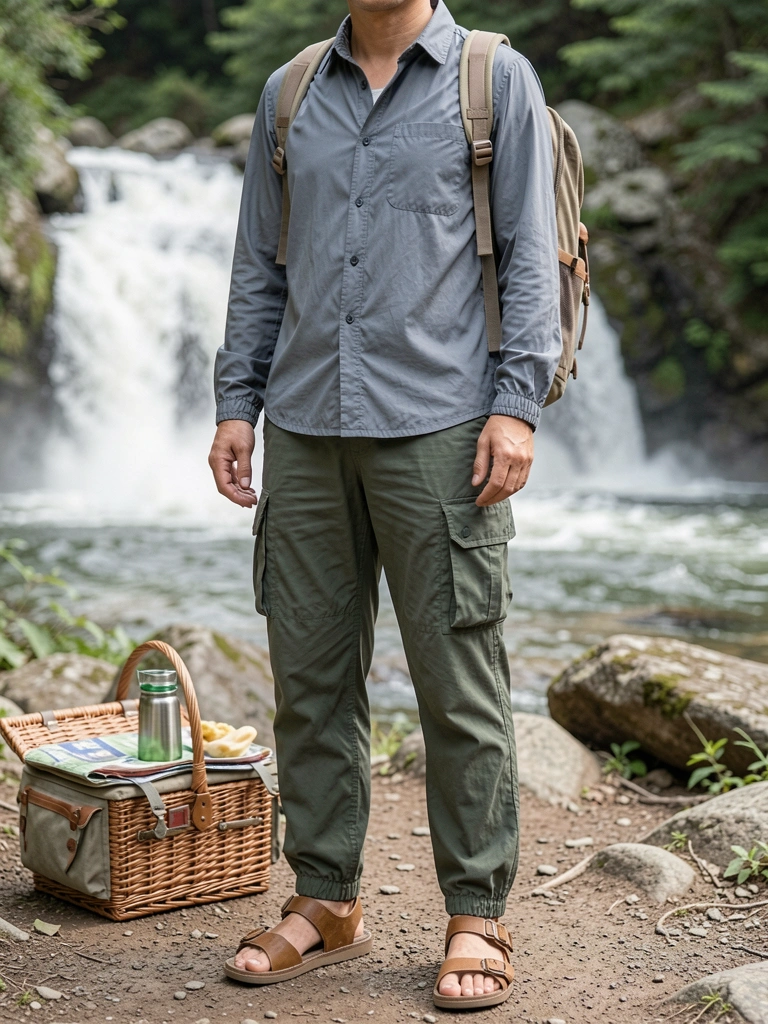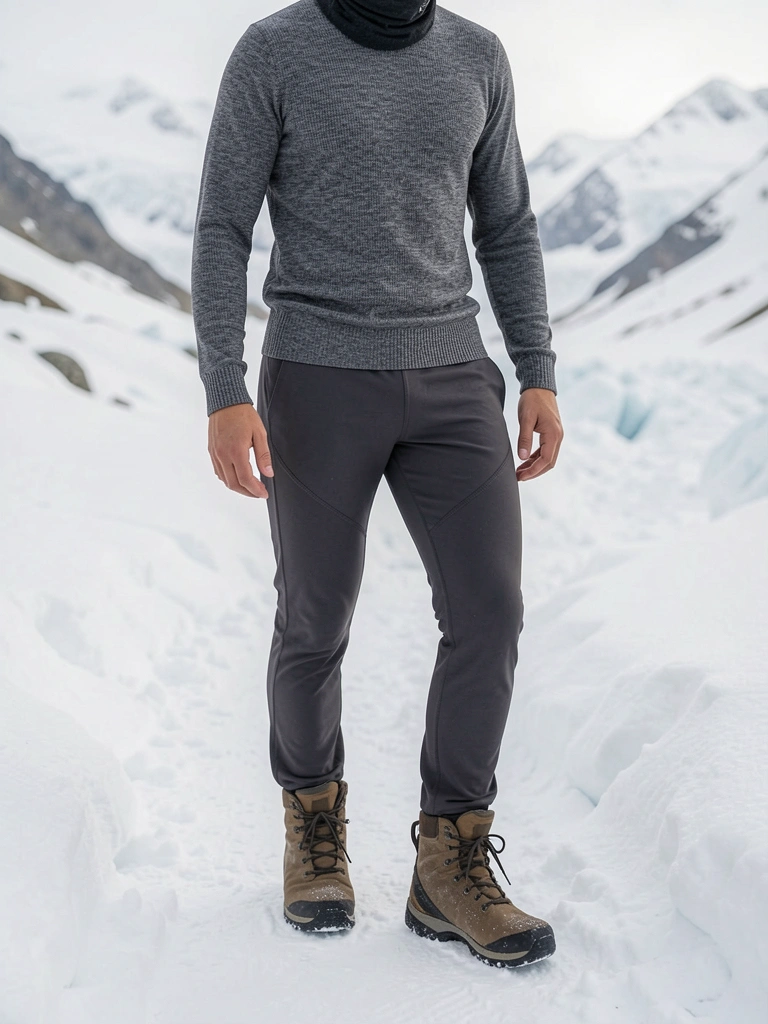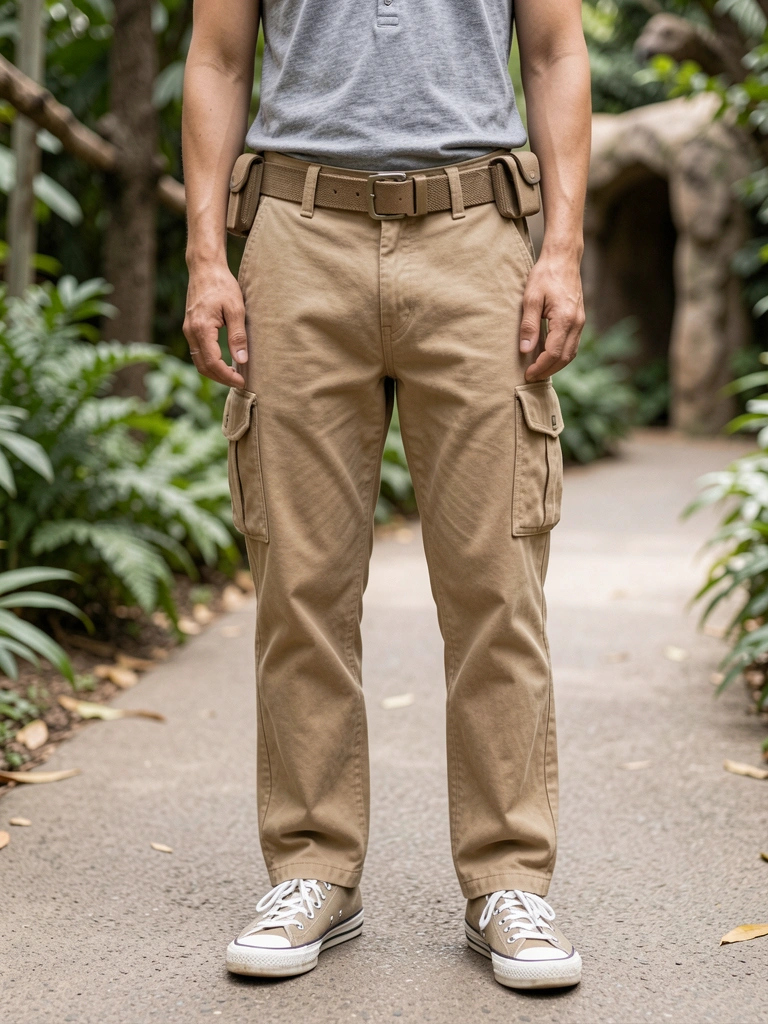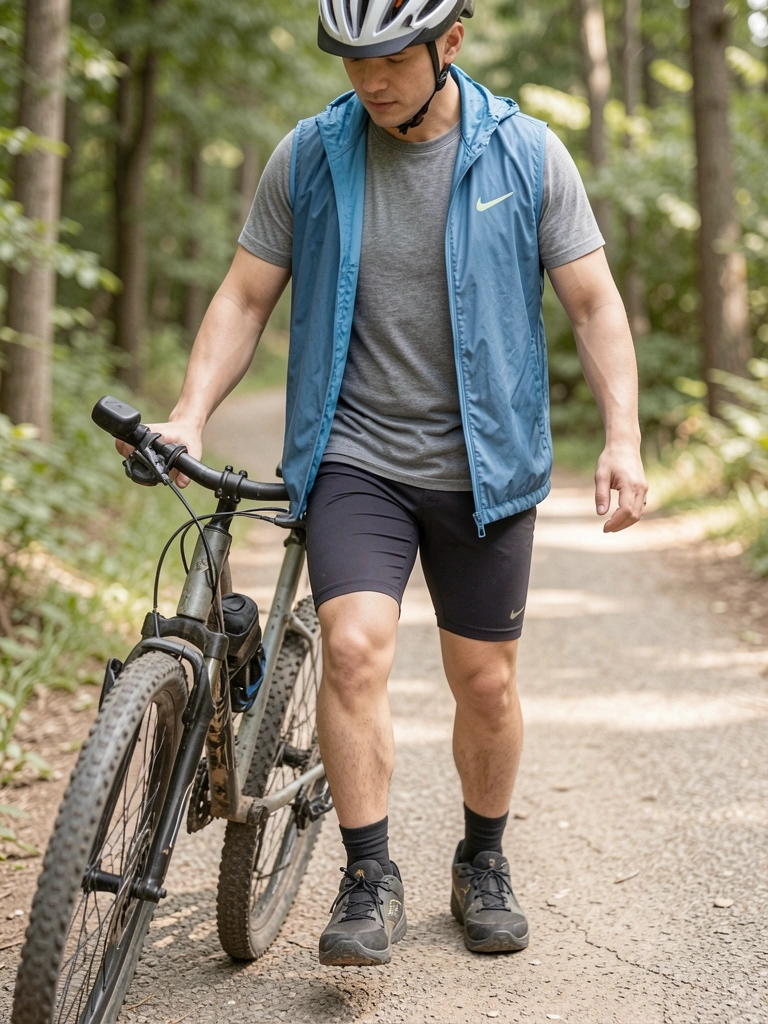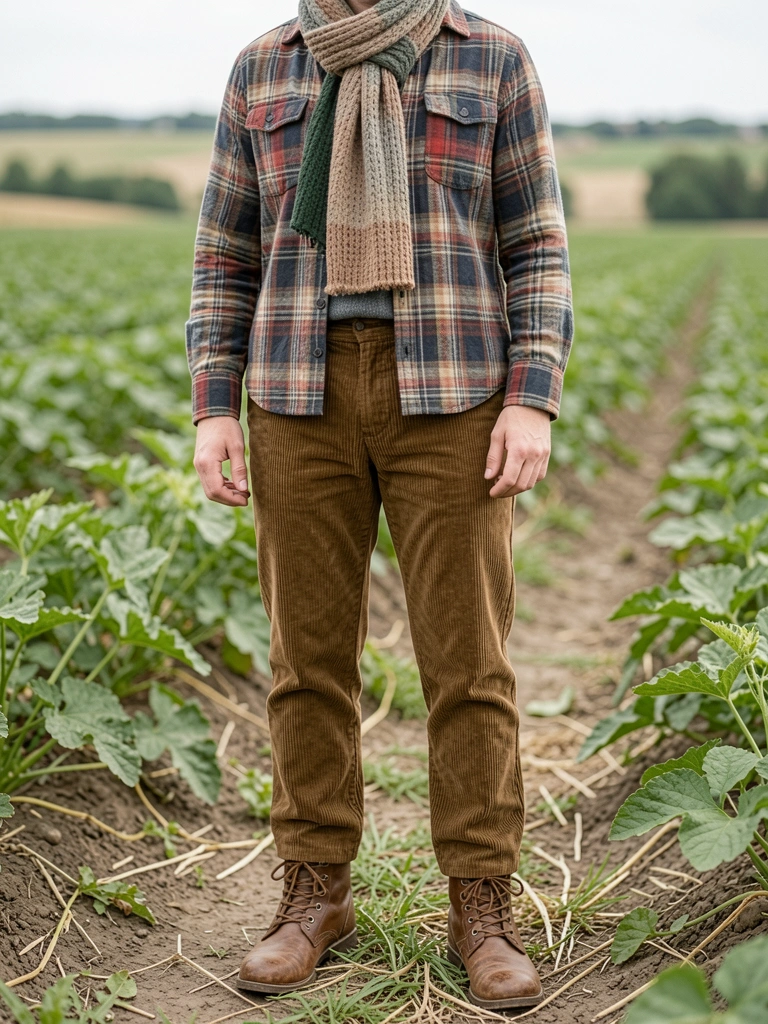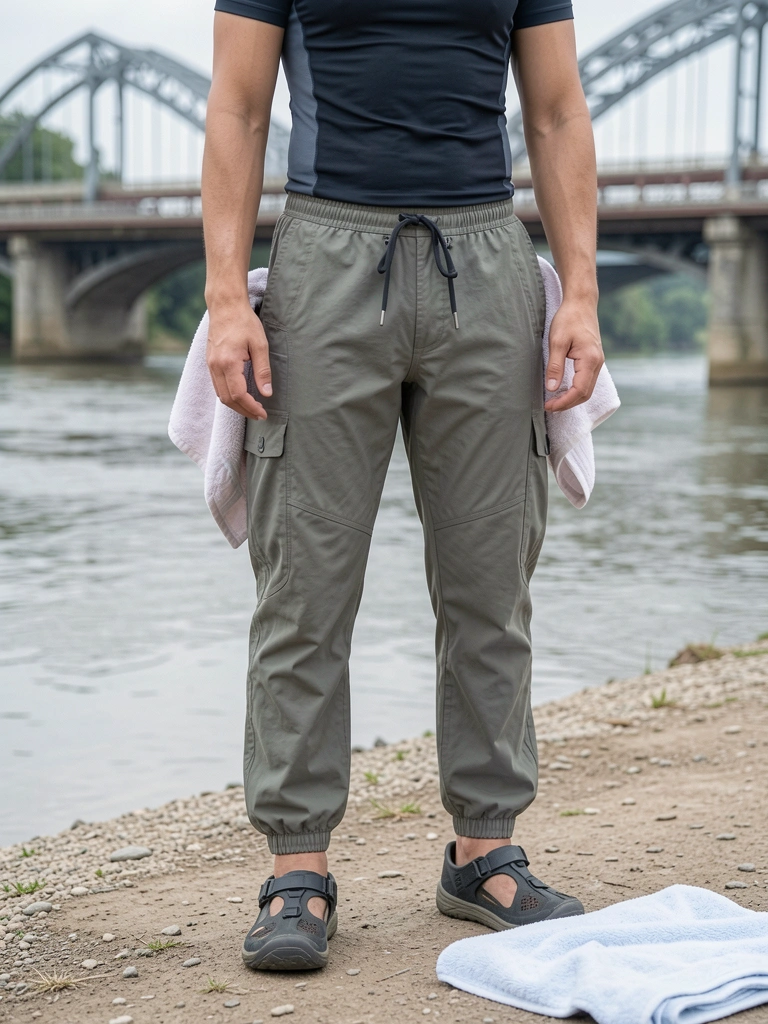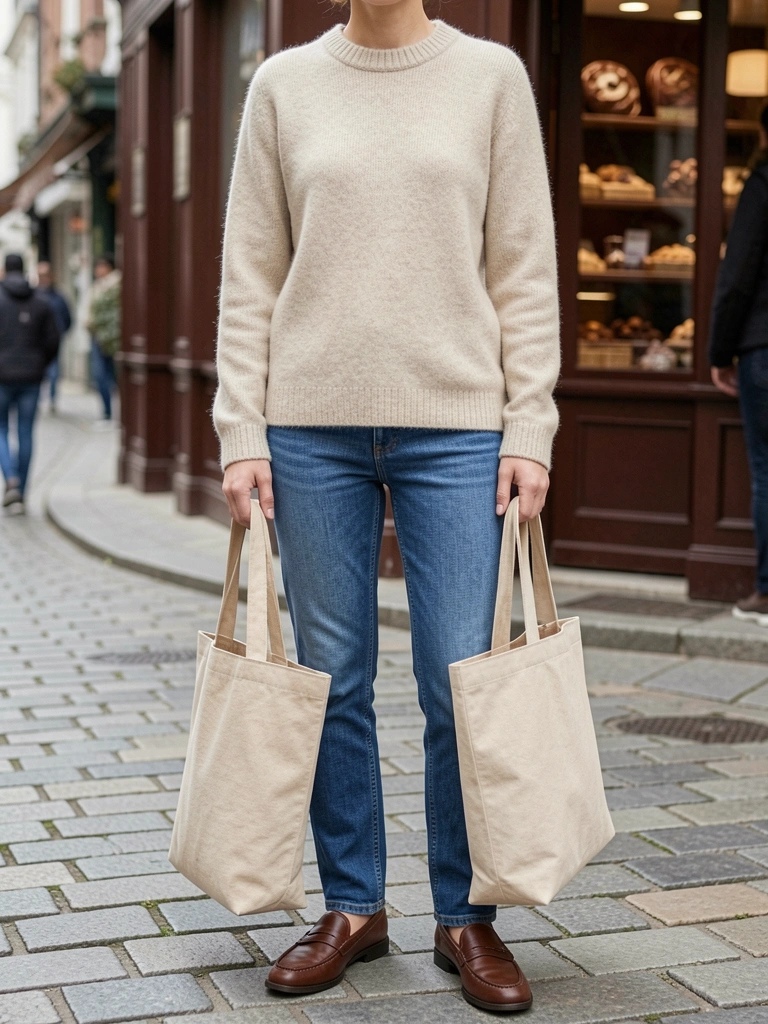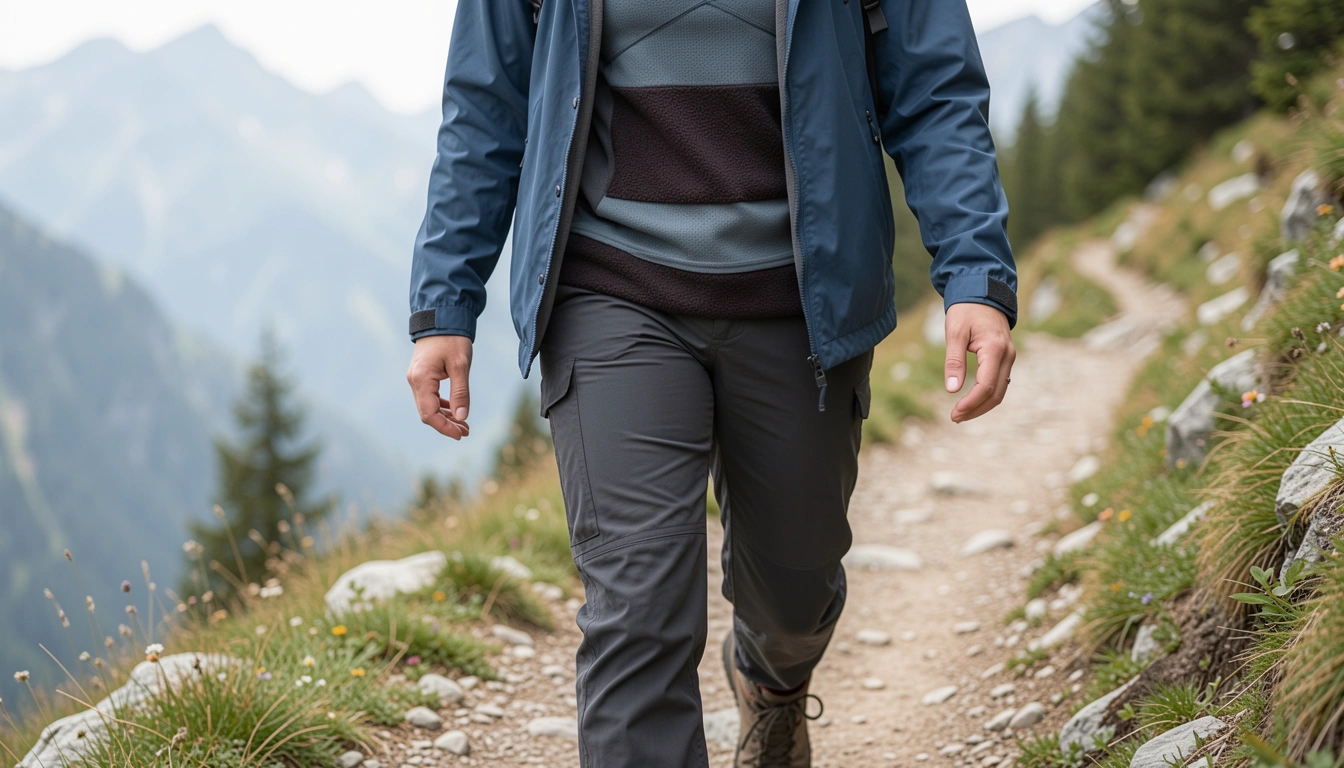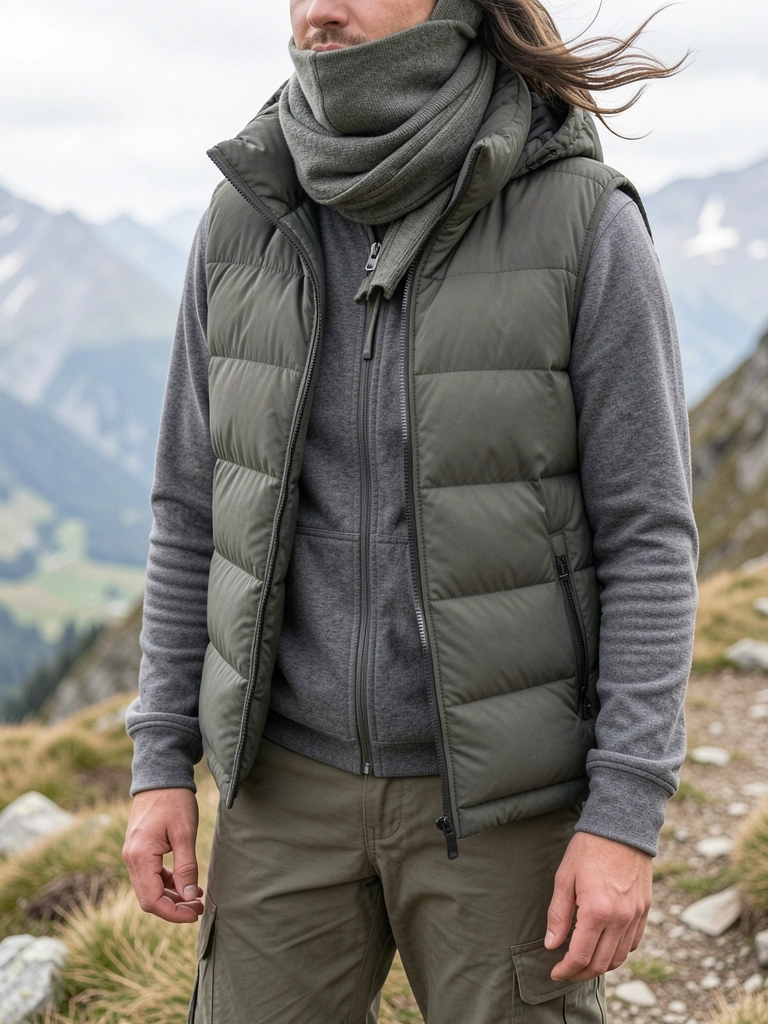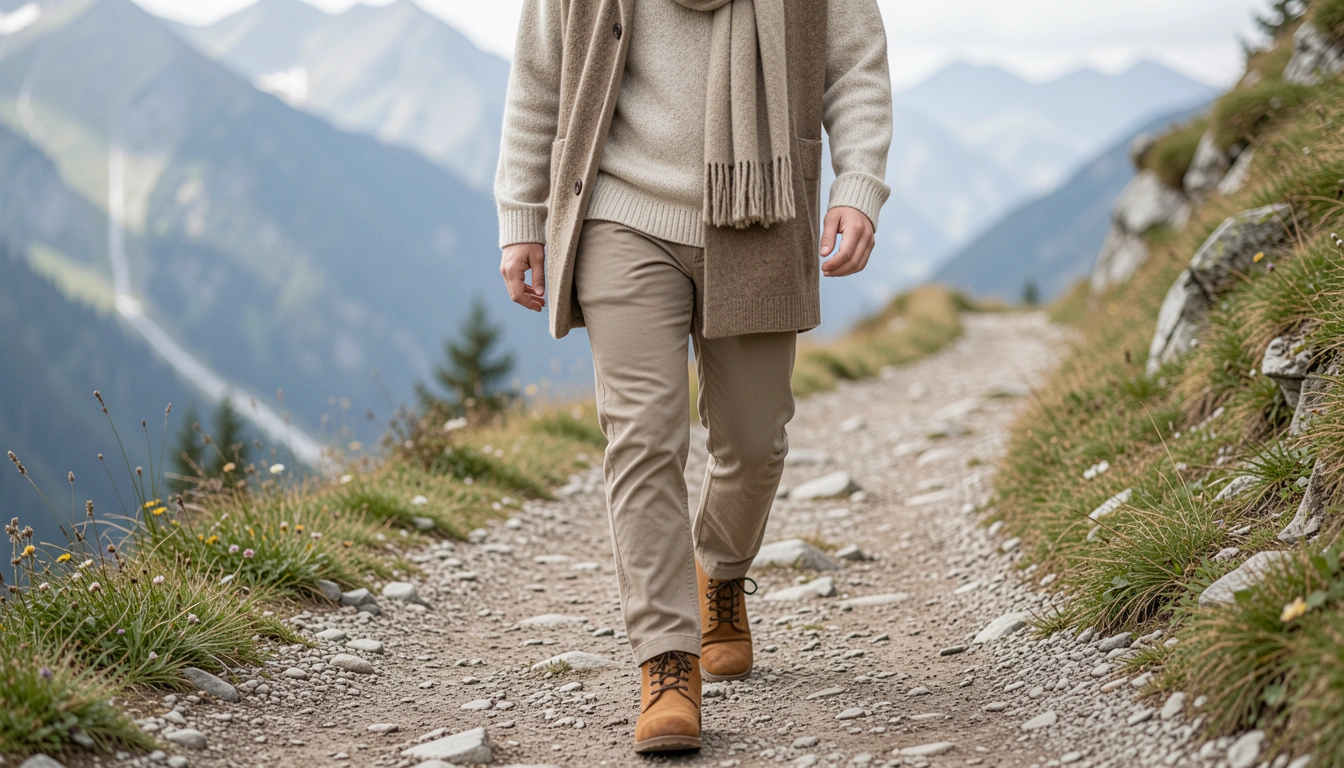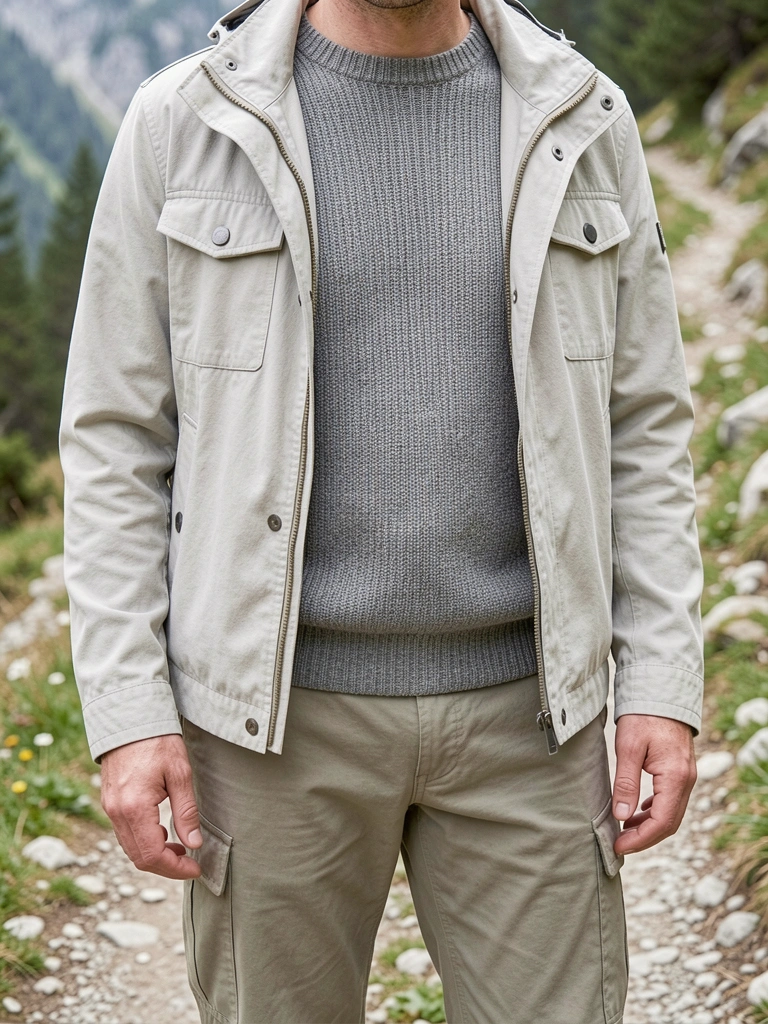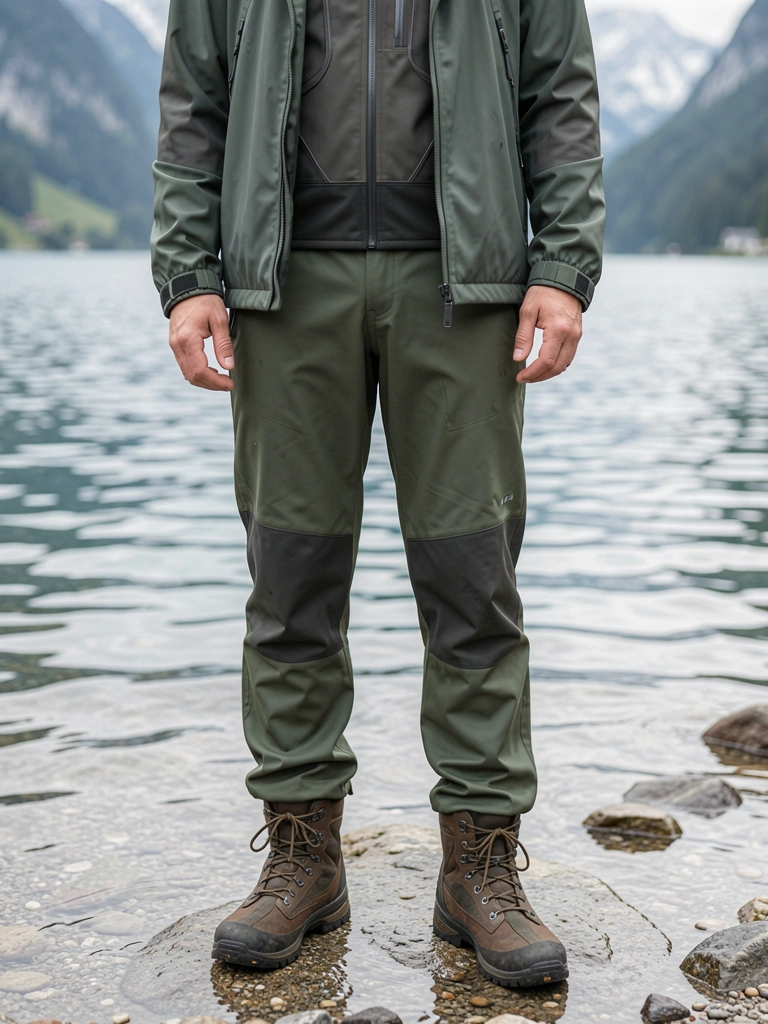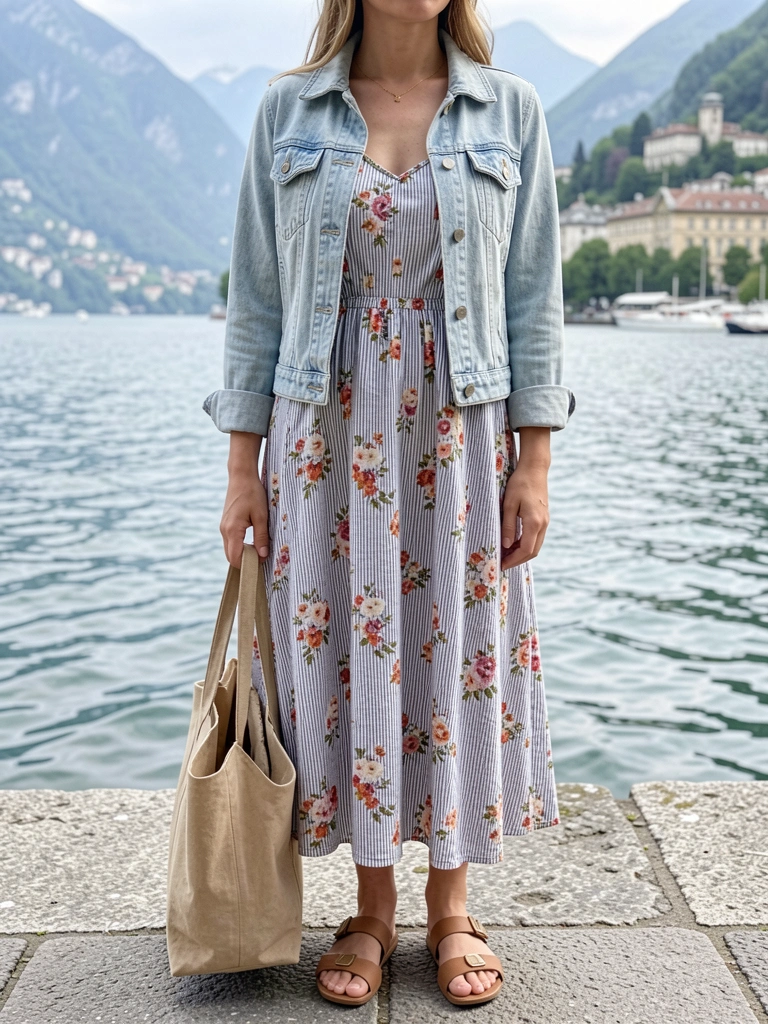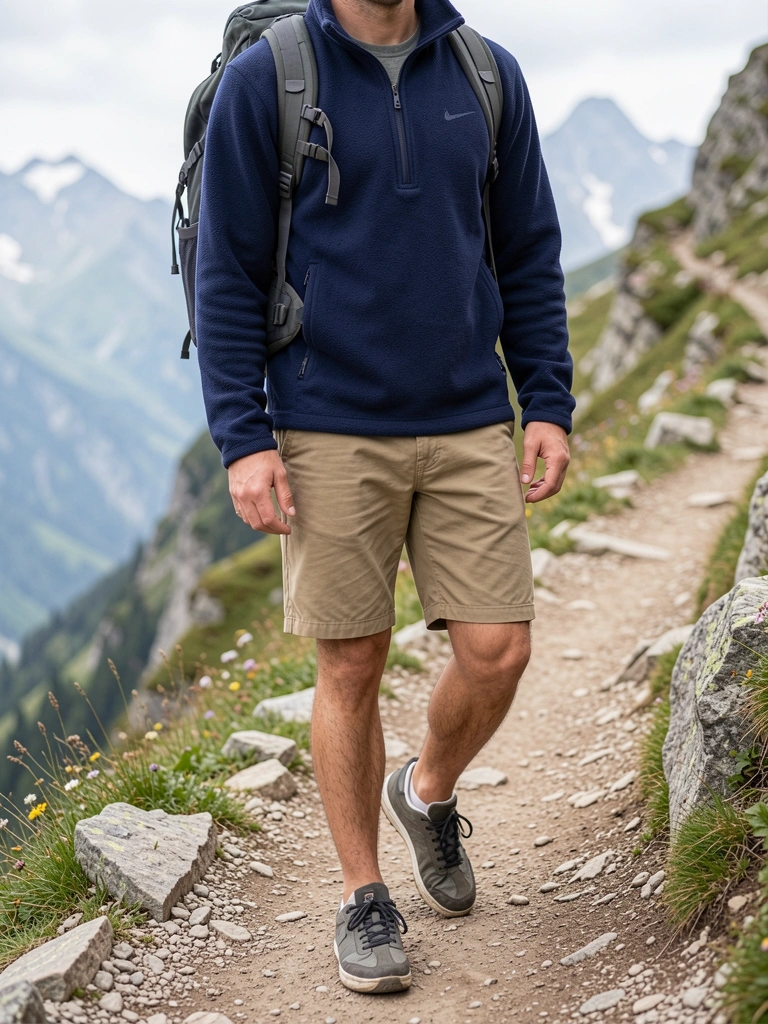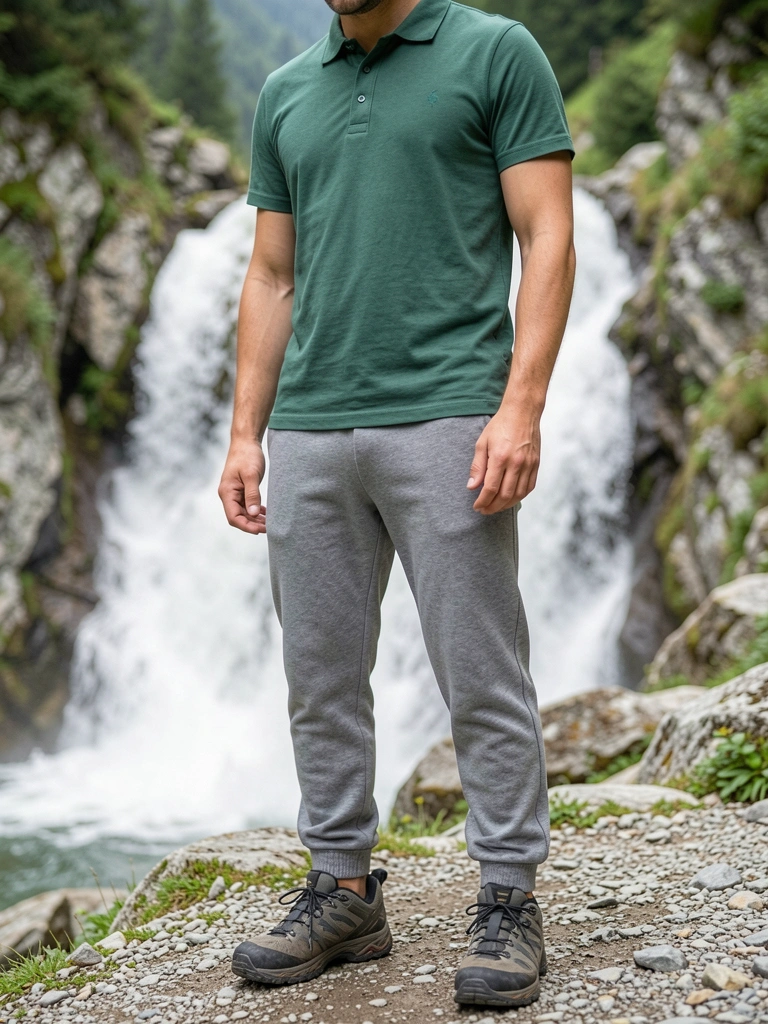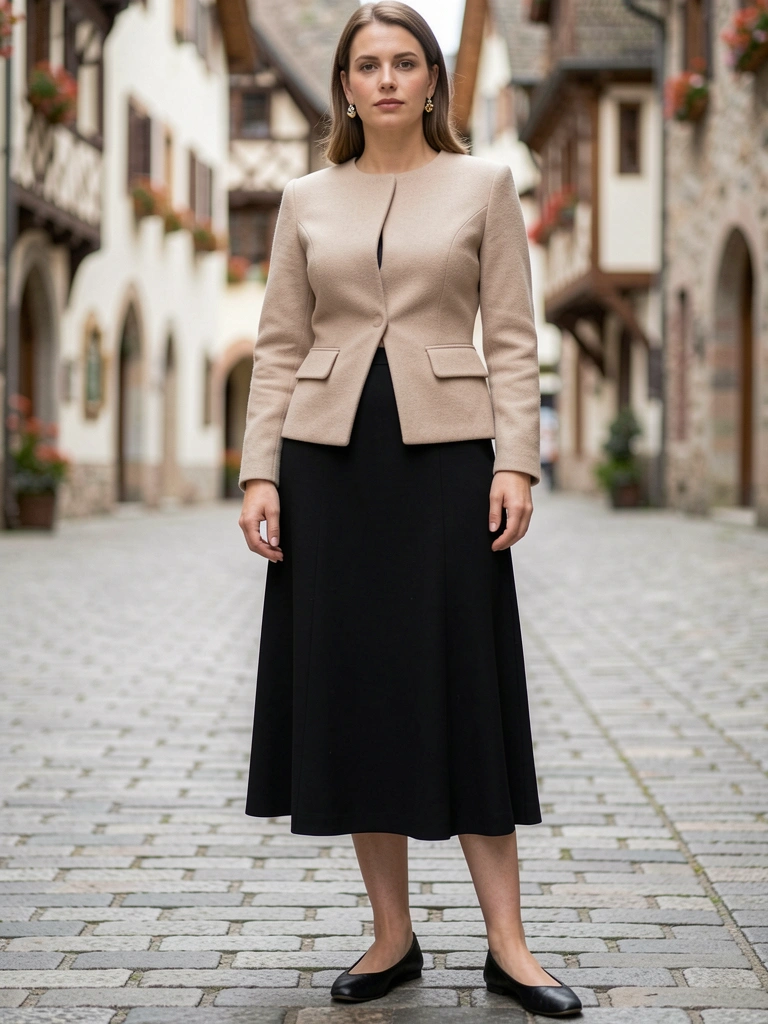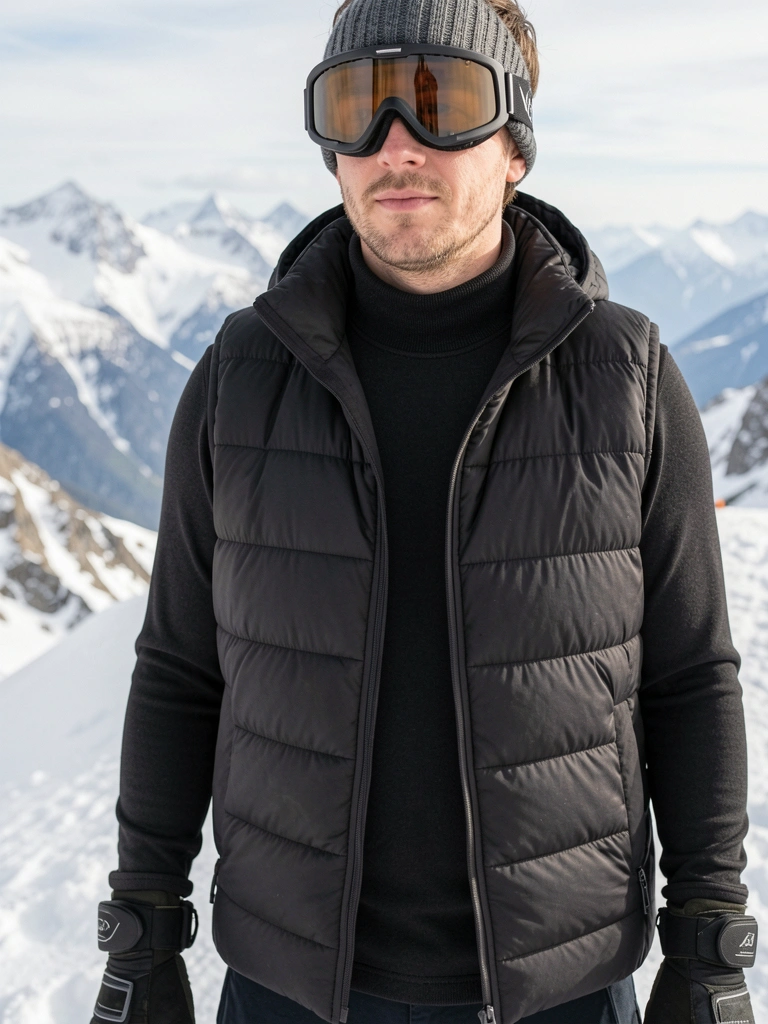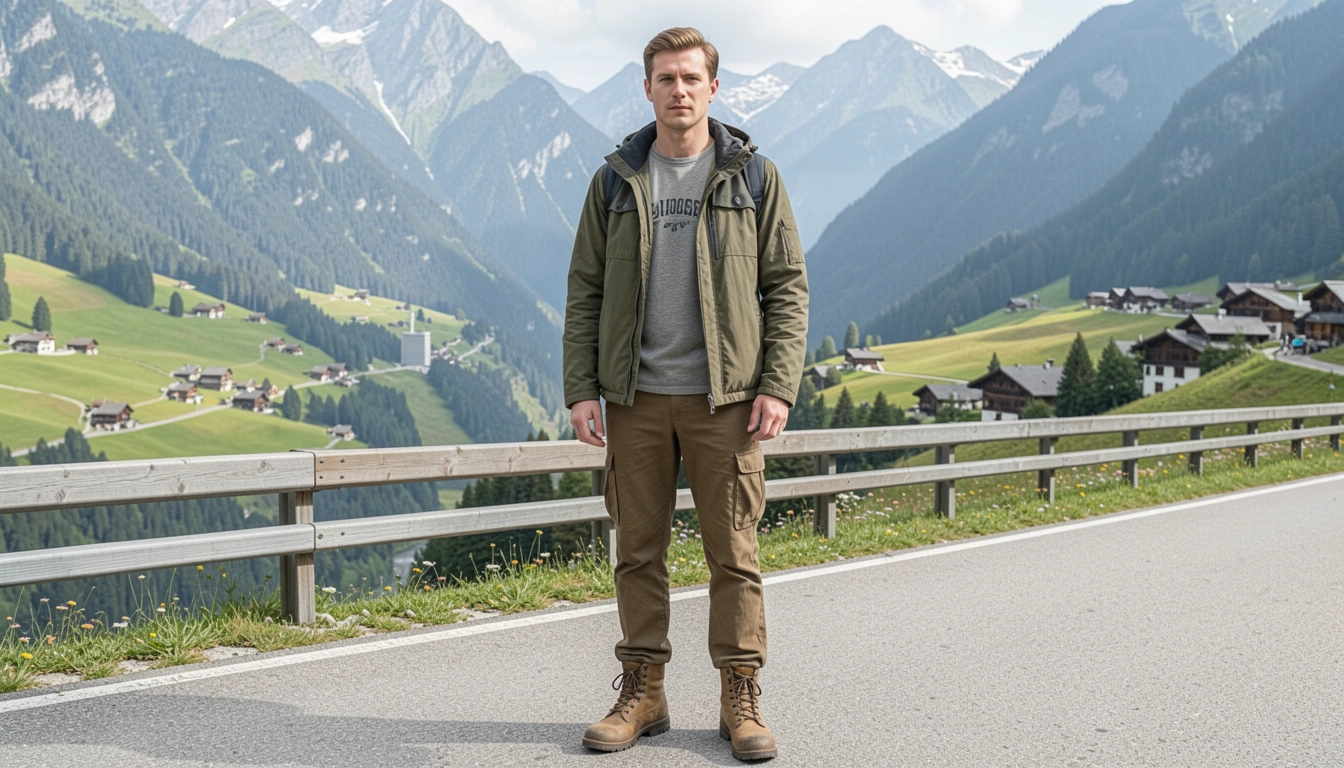
I headed to Switzerland last summer, excited for hikes and cities. But my layers bunched under my backpack. Pants felt stiff on long train rides. The whole outfit shifted, making me look sloppy and off-balance.
I kept adjusting, hot then cold. Nothing felt right for the mix of mountains and Zurich streets.
Now I style simply. Outfits that stay put, look clean from train to trail.
How To Travel In Switzerland
This method builds outfits that handle Switzerland's trains, hikes, and variable weather. You'll get balanced layers that feel comfortable all day. No bulk, just wearable looks that work everywhere.
What You’ll Need
- Lightweight merino wool base layer shirt in gray
- Fleece mid-layer pullover in navy
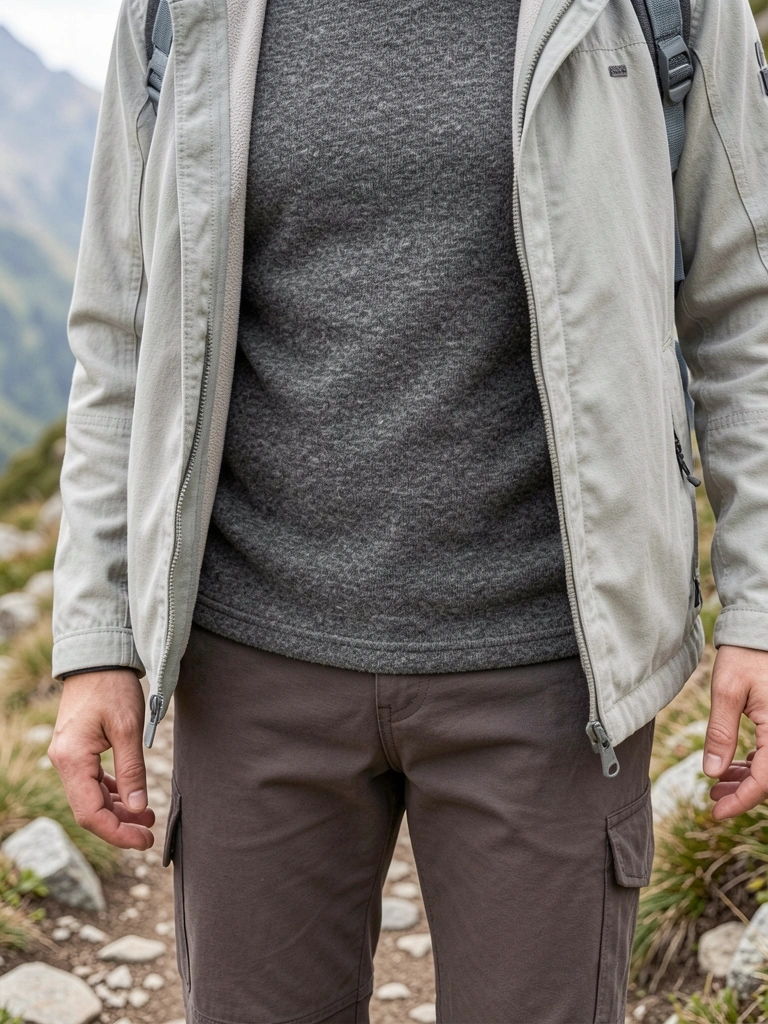
- Waterproof softshell jacket in olive
- Stretch hiking pants in black
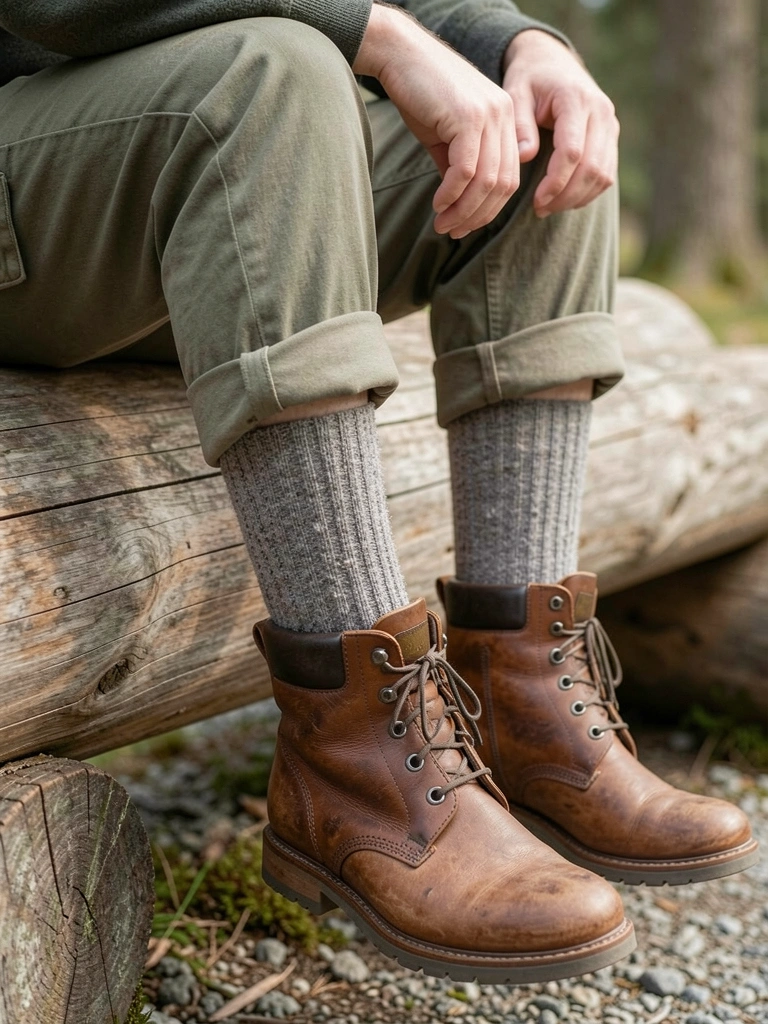
- Ankle hiking boots with grip in brown
- Merino wool blend socks pack
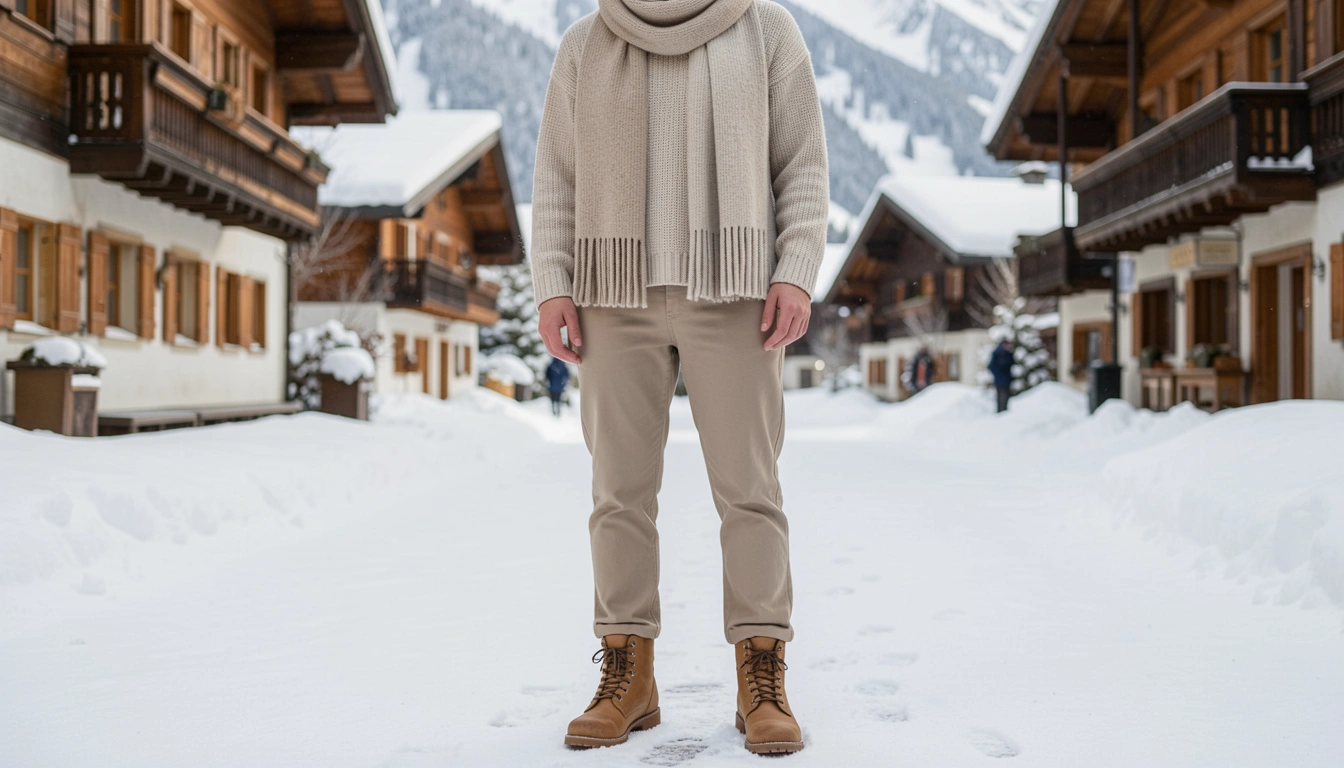
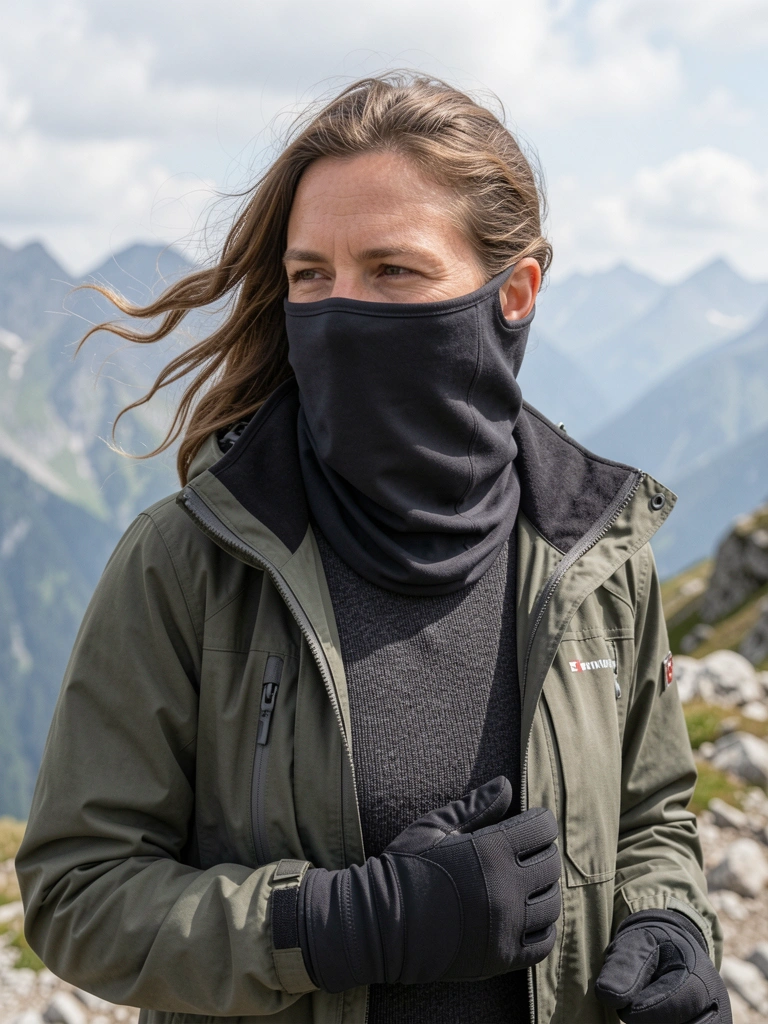
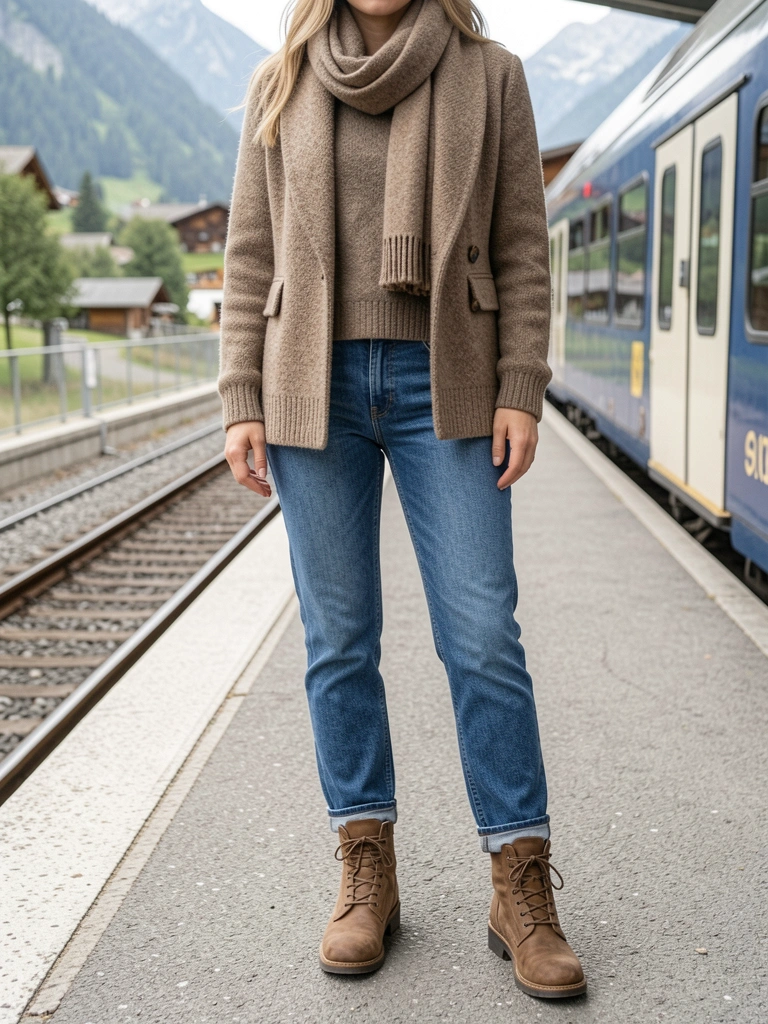
- Packable wool scarf in neutral tones
- Compact daypack in gray
Step 1: Start with Base Layer

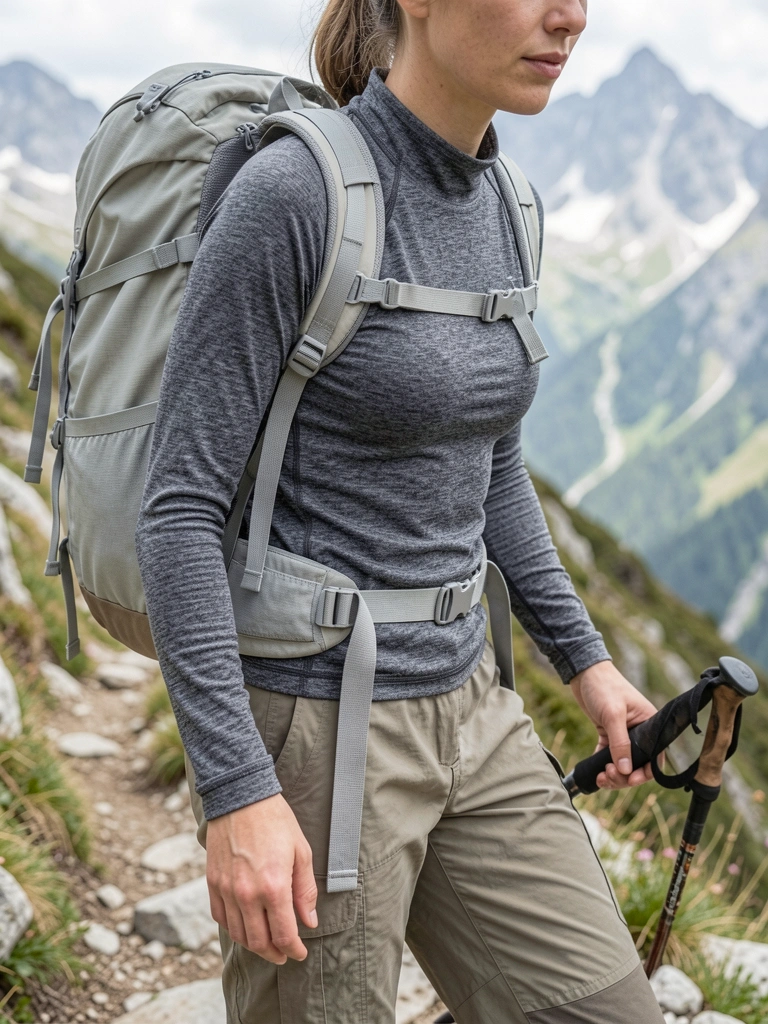
I pull on the merino wool base layer first. It's slim, wicks sweat without clinging. This sets a smooth foundation—everything layers evenly over it.
Visually, your torso looks streamlined, not bulky. People miss how breathable wool stays fresh after a full day on trains.
Avoid thick cotton bases; they hold moisture and bunch. One thin layer changes the feel immediately.
My arms move free, ready for a backpack. Balance starts here.
Step 2: Add Mid Layer for Warmth
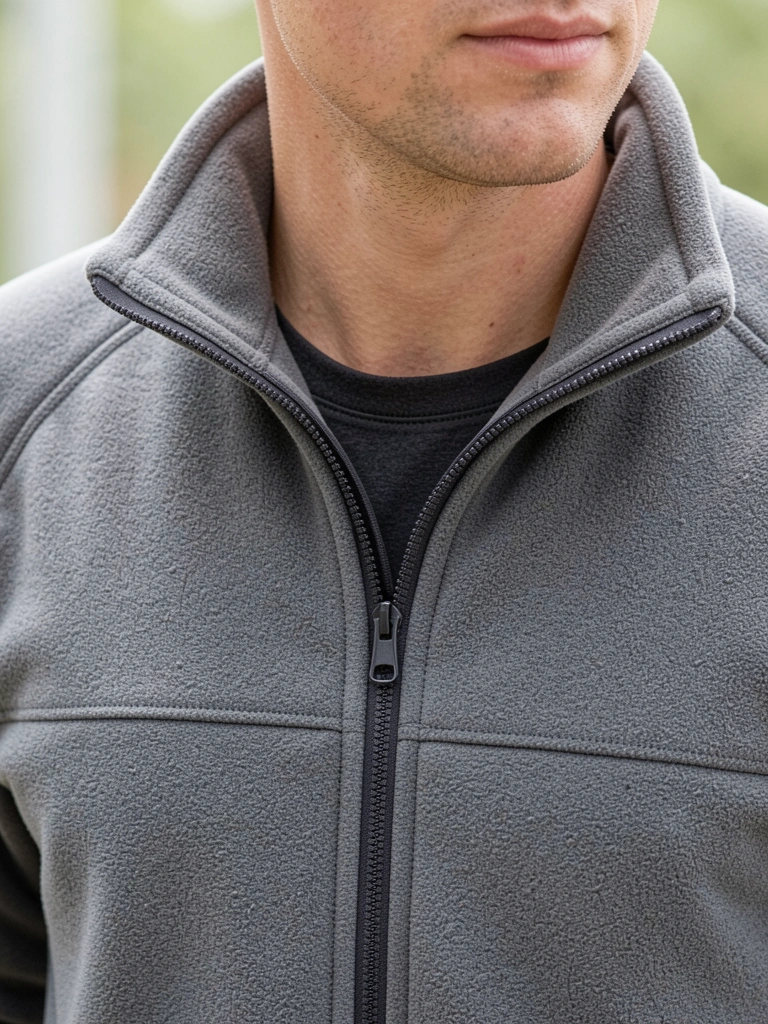
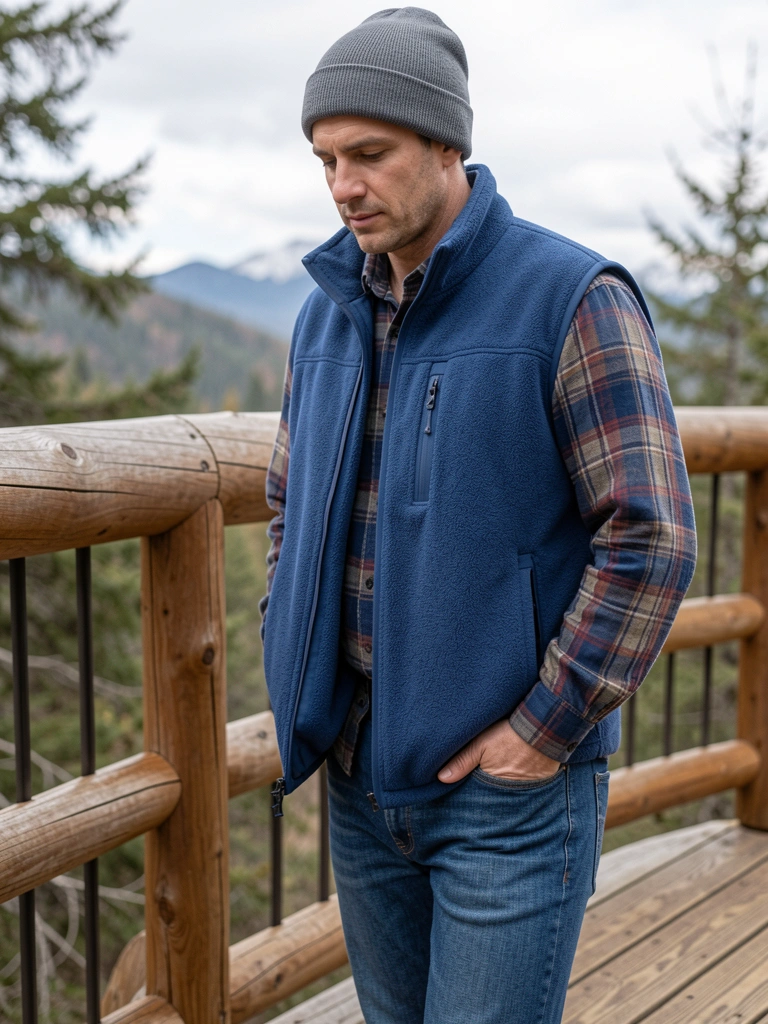
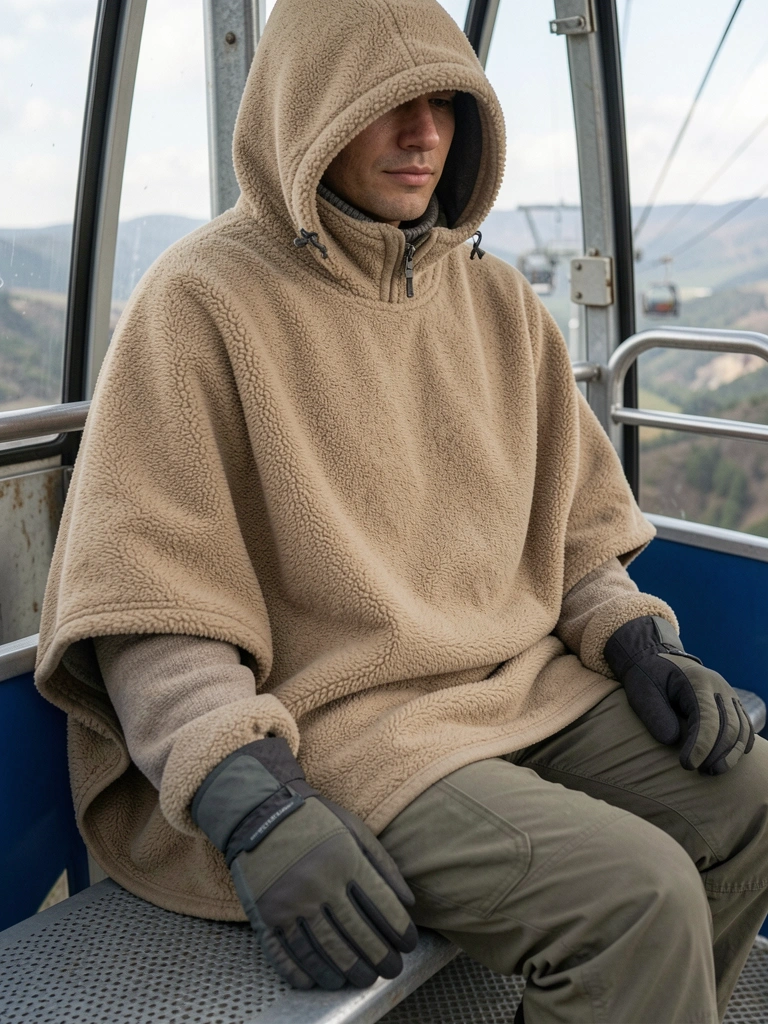
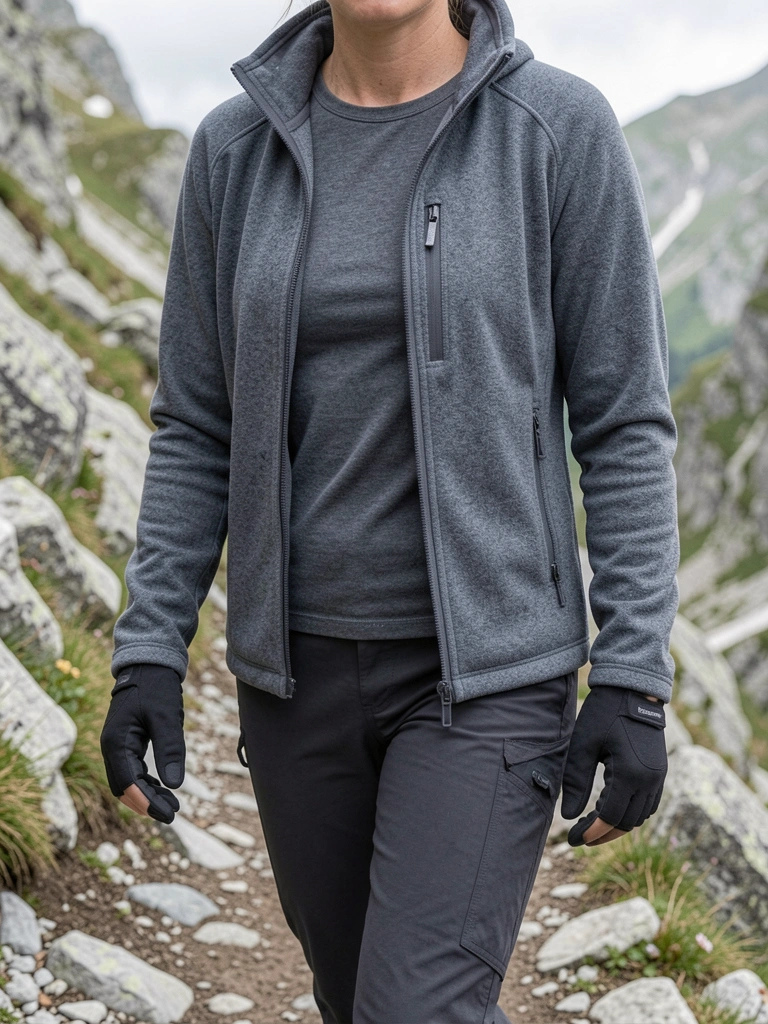
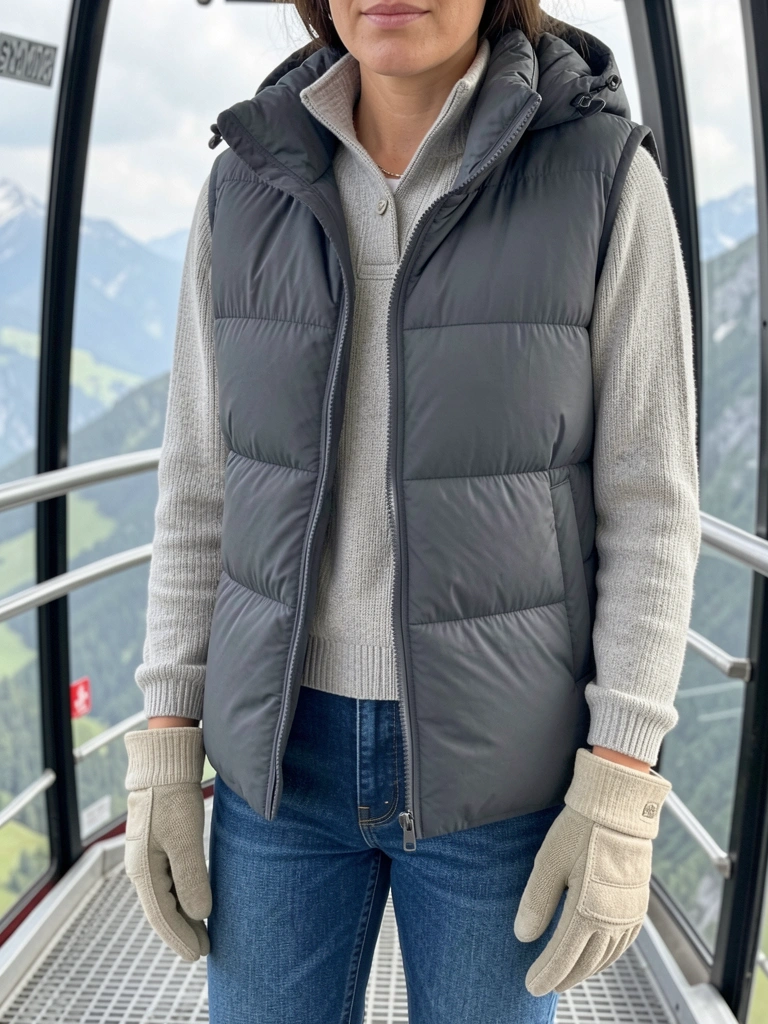
Next, I slip on the fleece pullover. It traps warmth without bulk—perfect for cool Swiss mornings. Zips halfway for easy on-off.
Your silhouette stays proportional; shoulders even, no muffin top. Most forget to check sleeve length—it hits the hip right.
Don't choose stiff knits; they restrict hiking strides. This mid-layer feels like a hug, not a cage.
Now the outfit holds shape sitting or standing.
Step 3: Layer Outer Shell
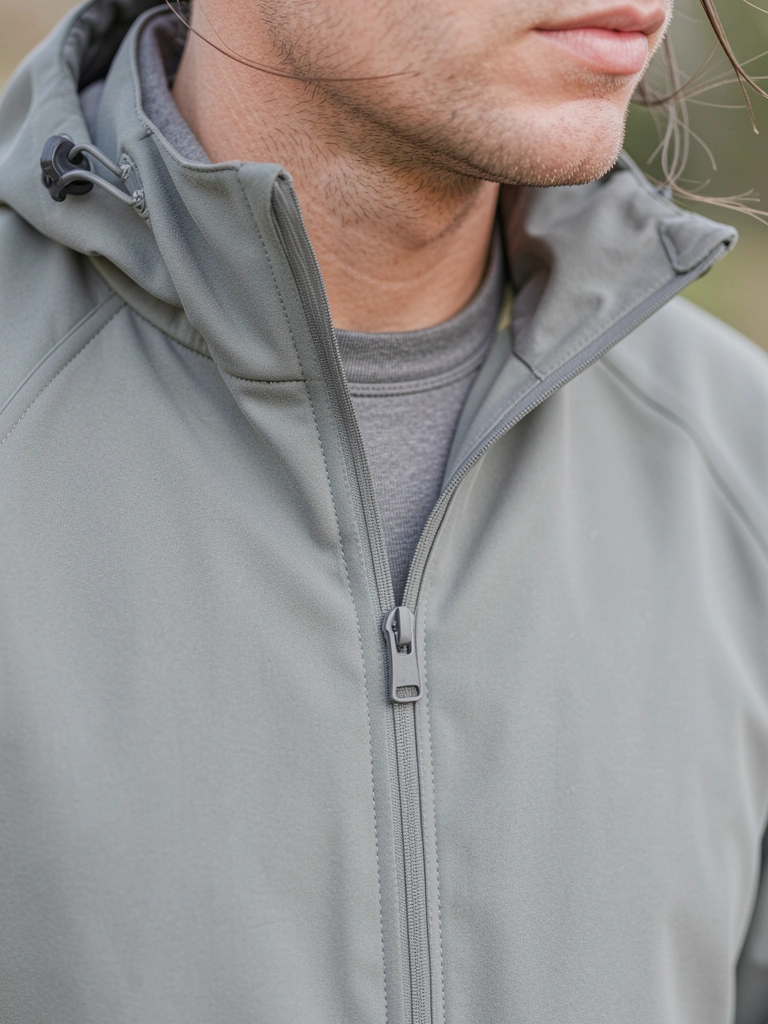
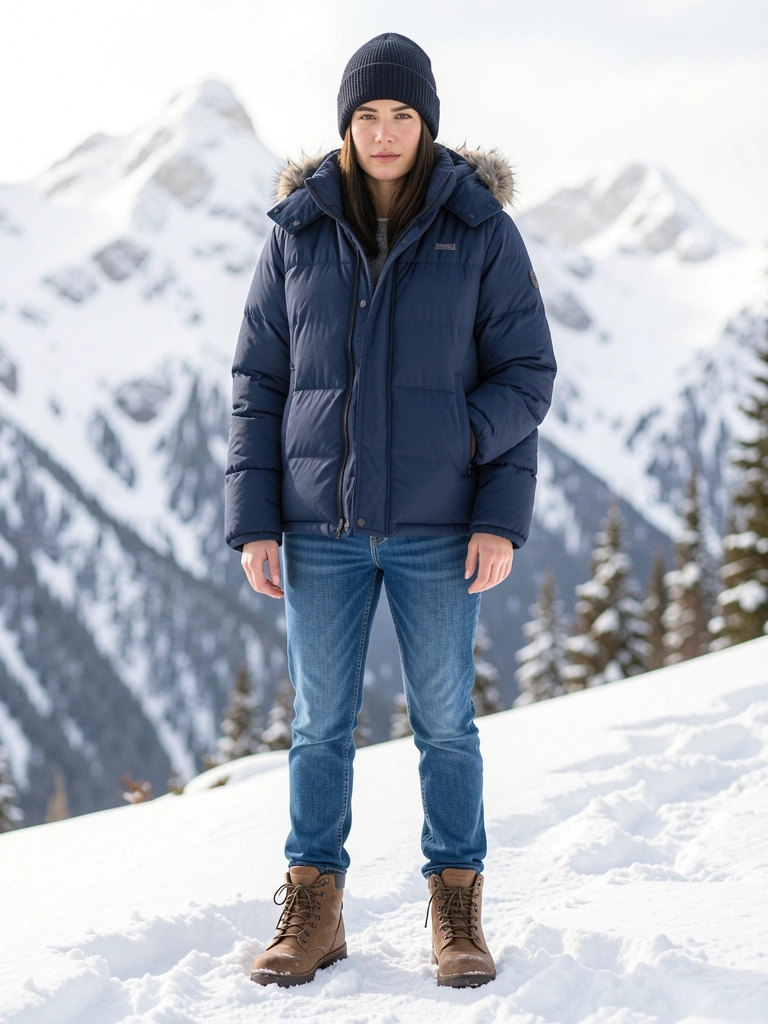
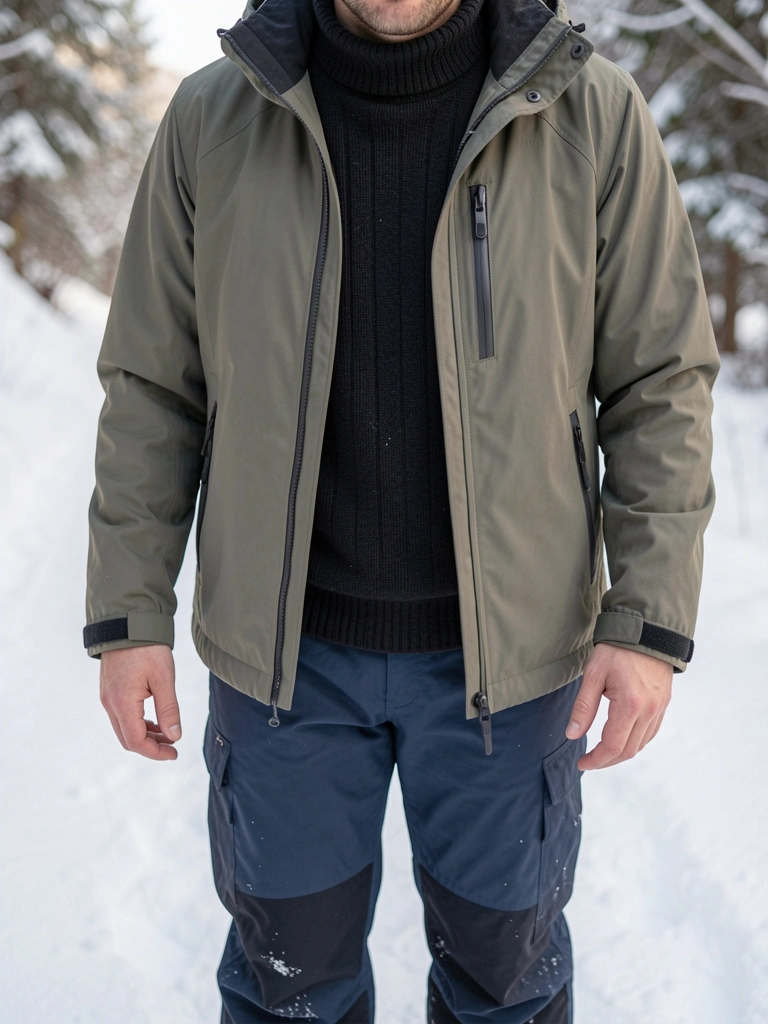
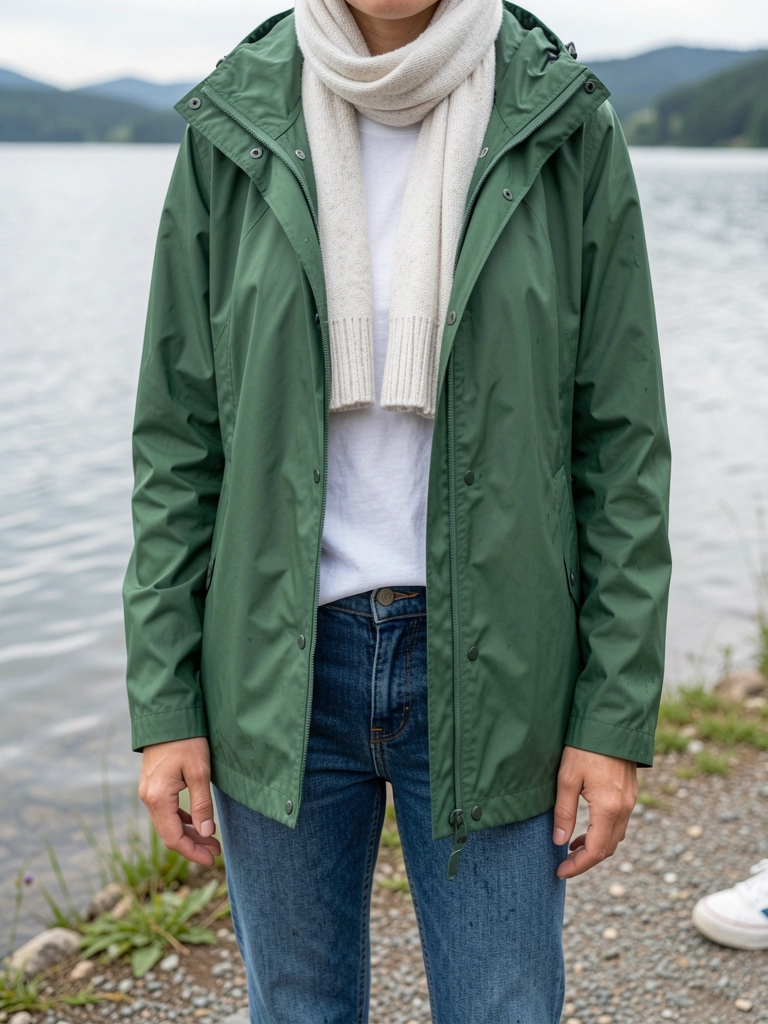
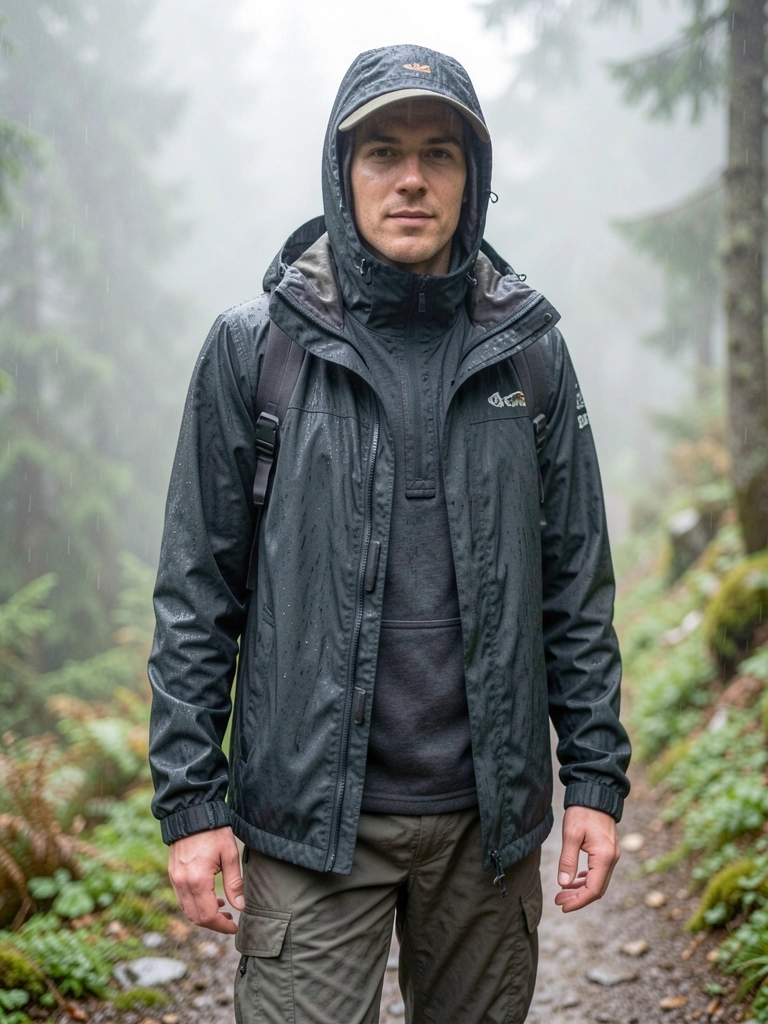
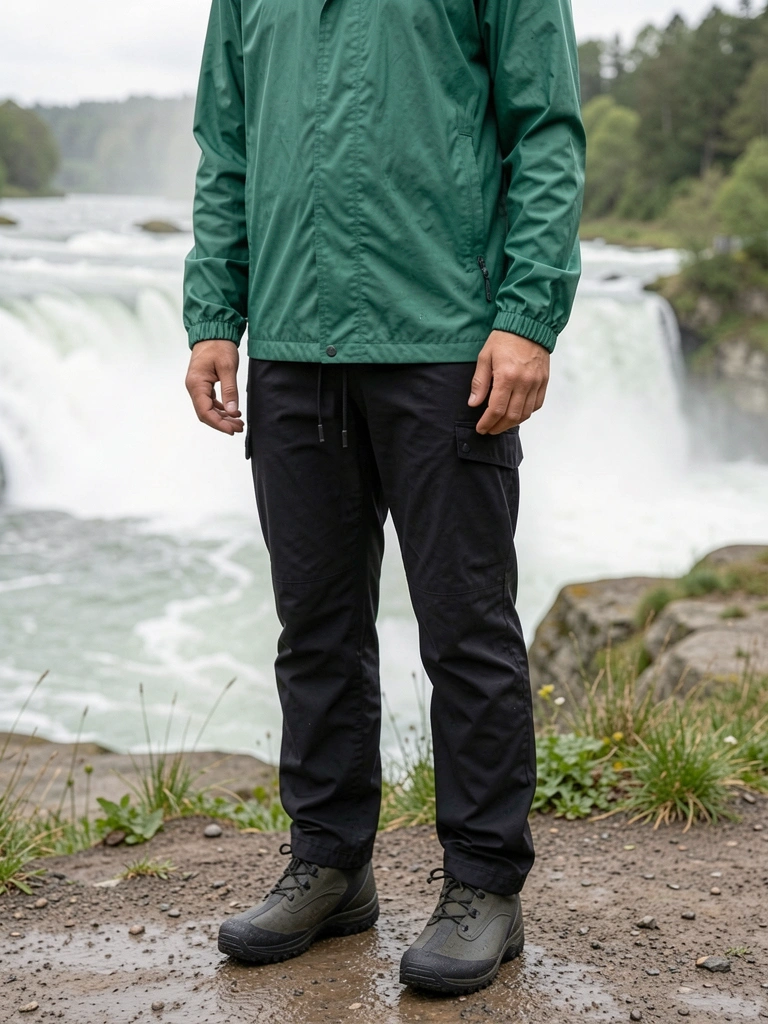
I top with the softshell jacket. Waterproof but breathable for rain or shine. Hoods pack away flat.
The look shifts to protected yet fitted—proportions balanced top to bottom. Insight: vents under arms prevent overheating on climbs.
Skip heavy parkas; they overwhelm lean bases. Mine packs small, feels light.
Outfit now transitions seamlessly from city walks to trails.
Step 4: Choose Bottoms and Feet
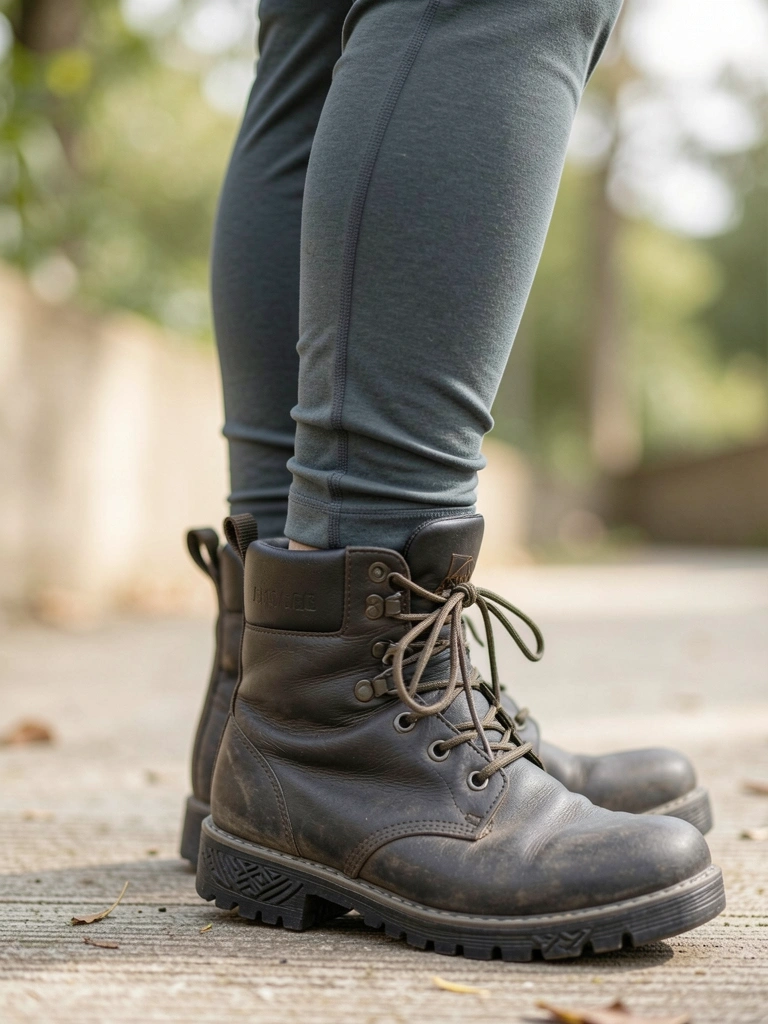
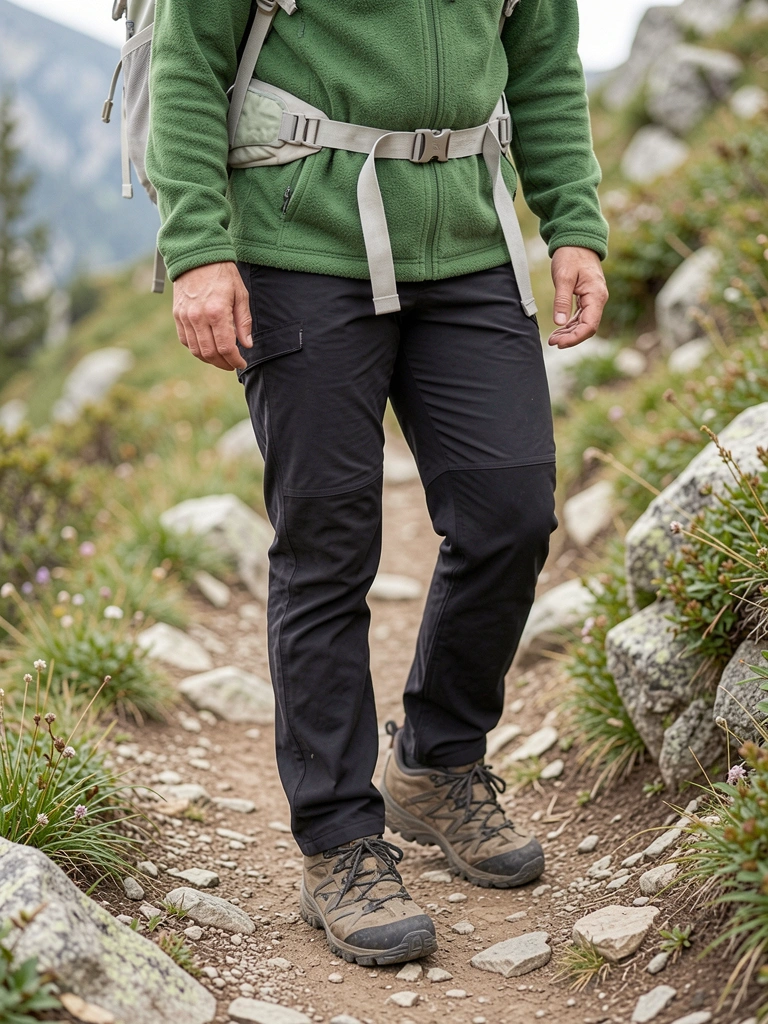
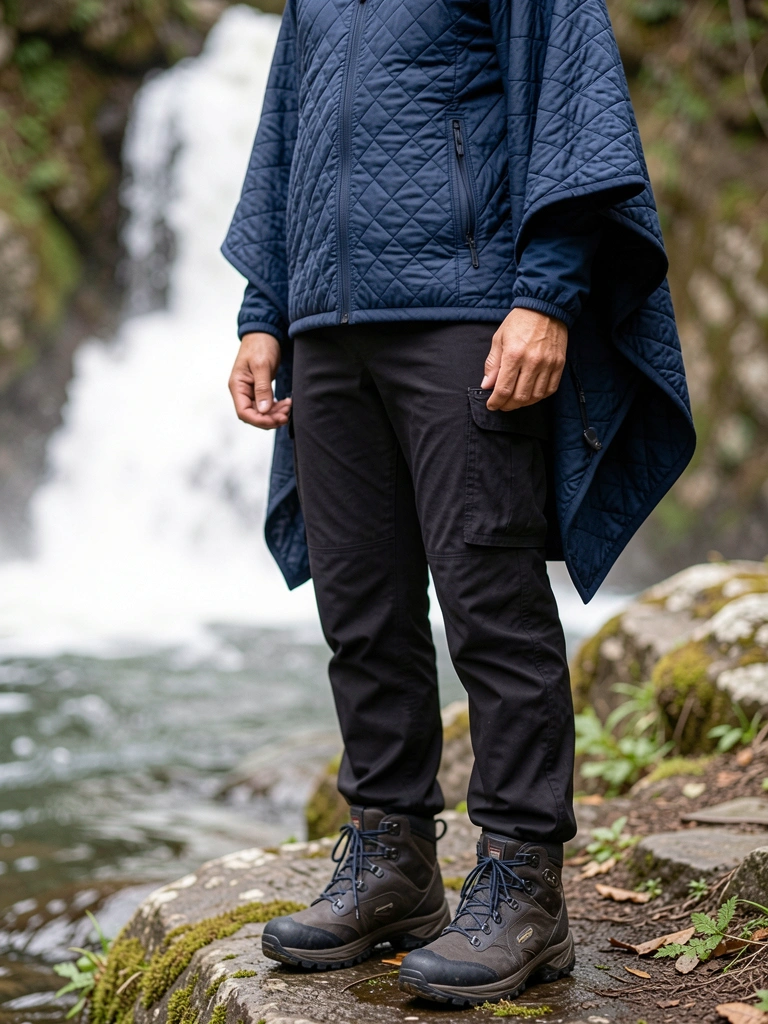
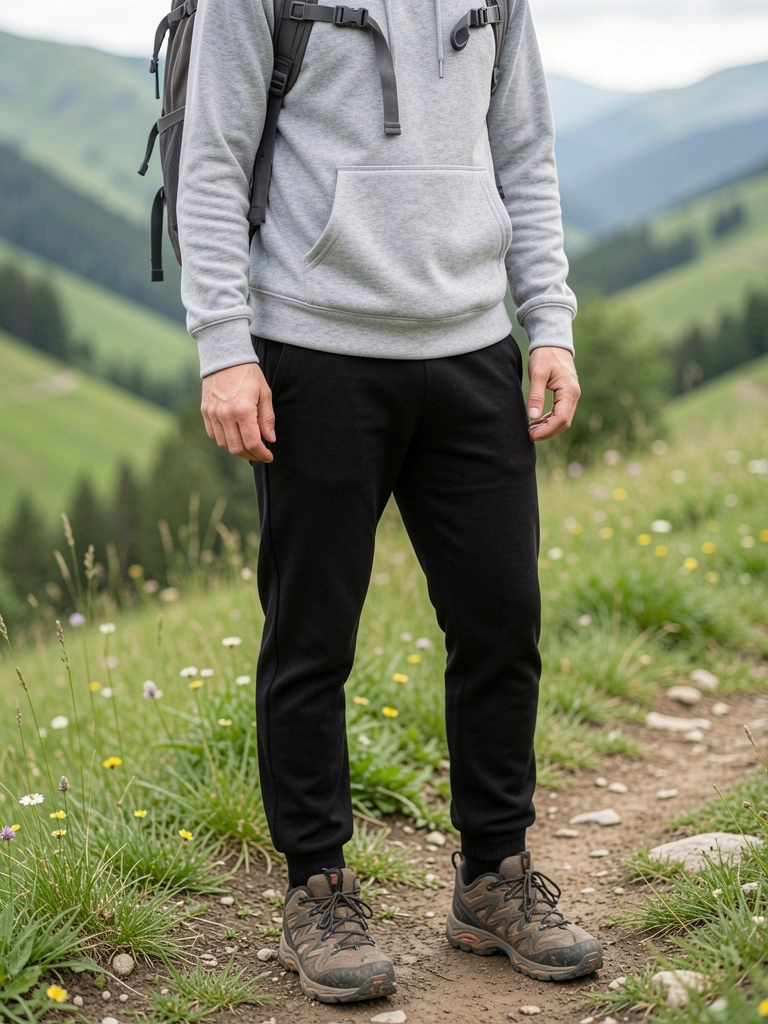
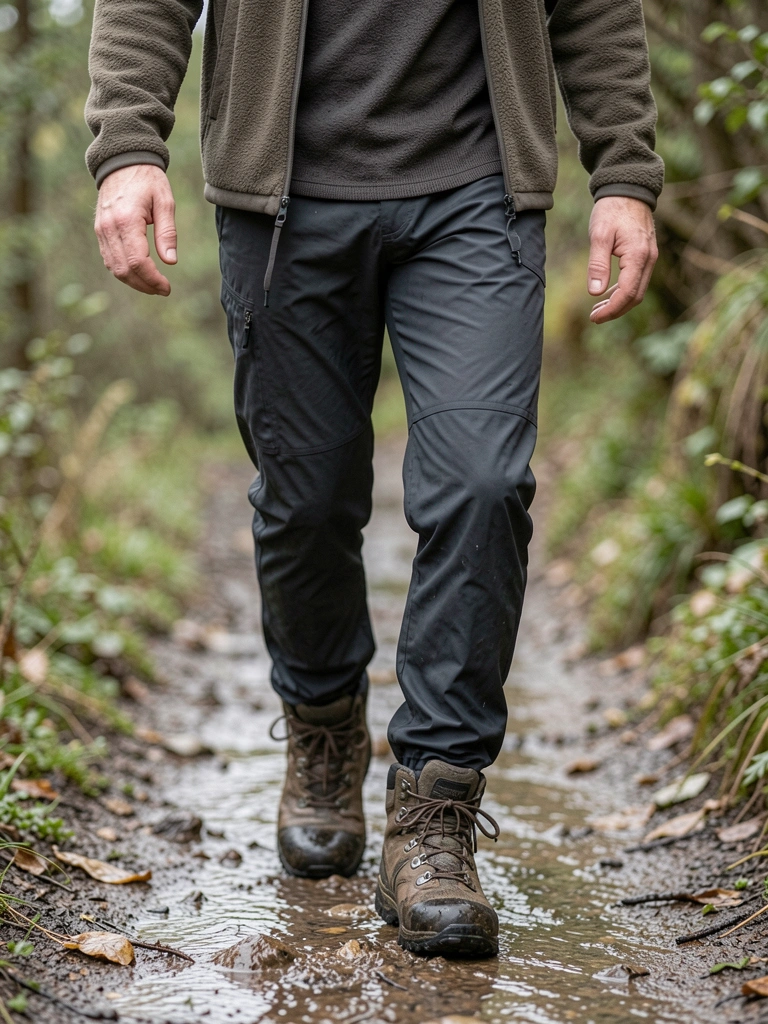
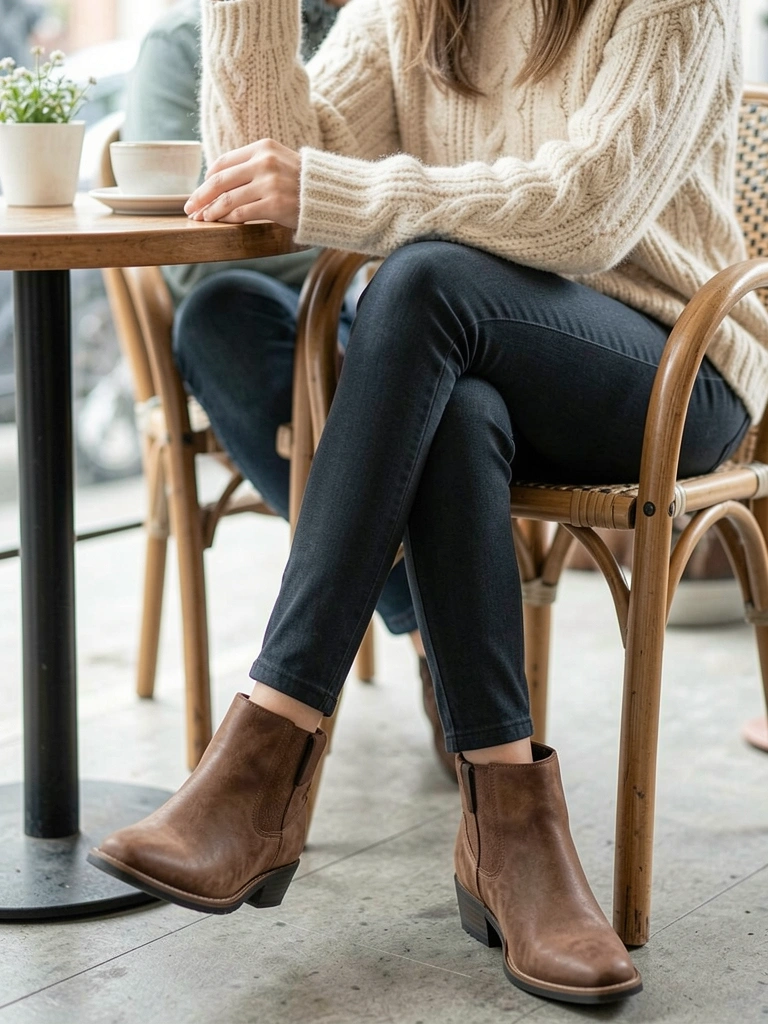
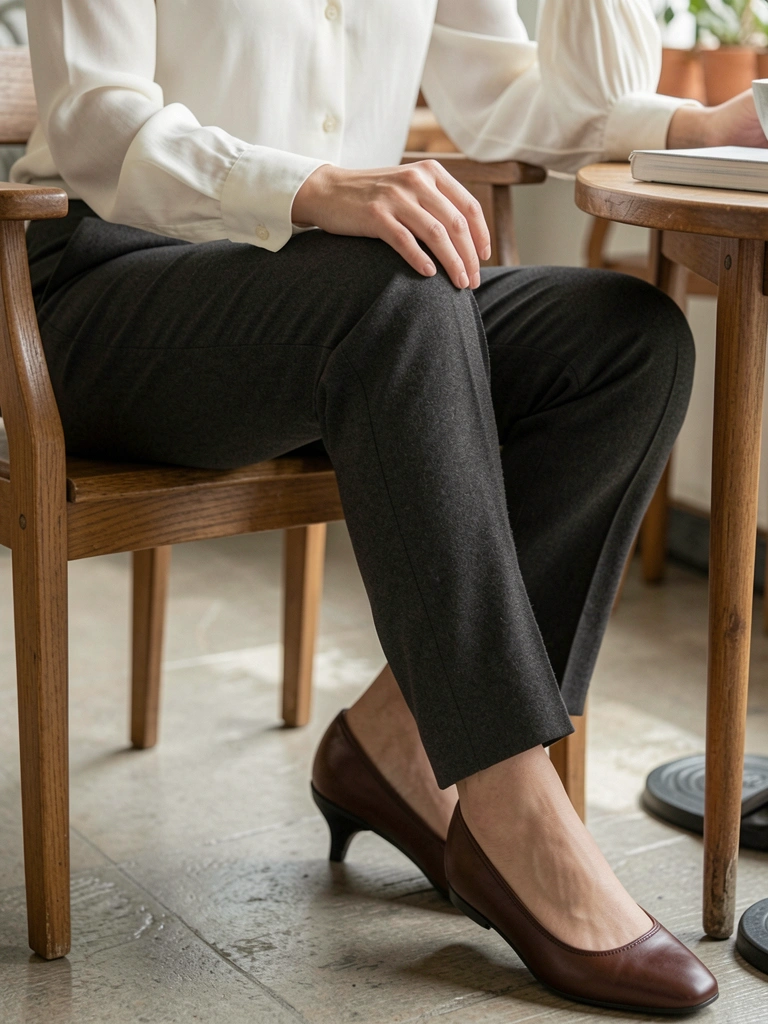
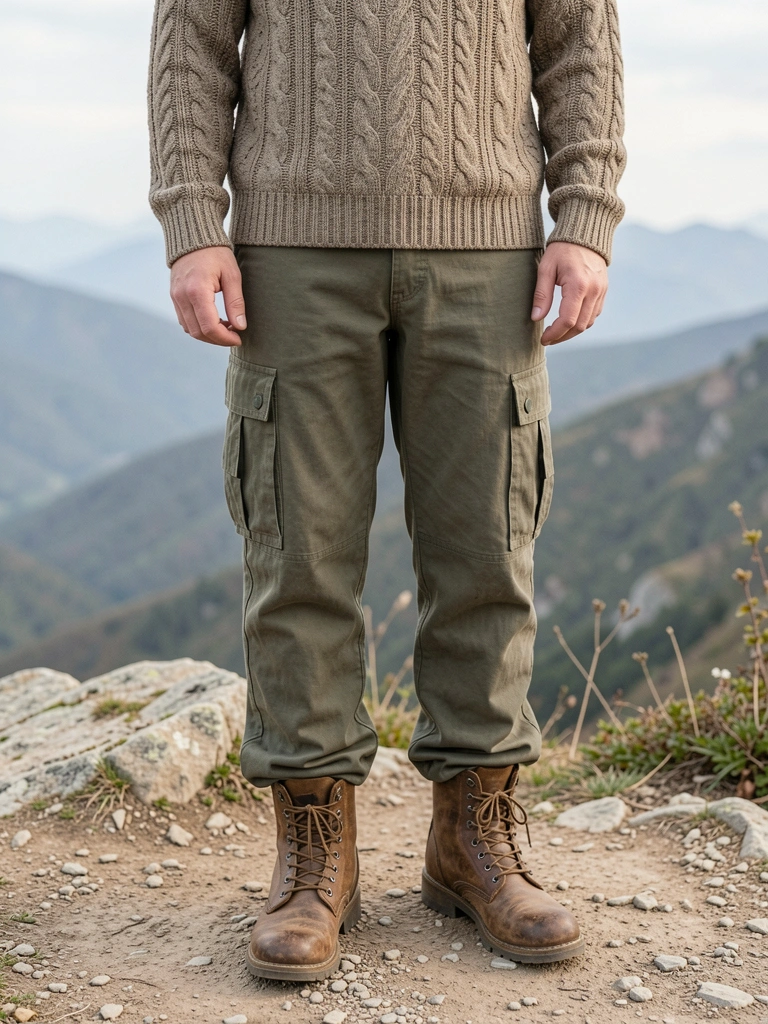
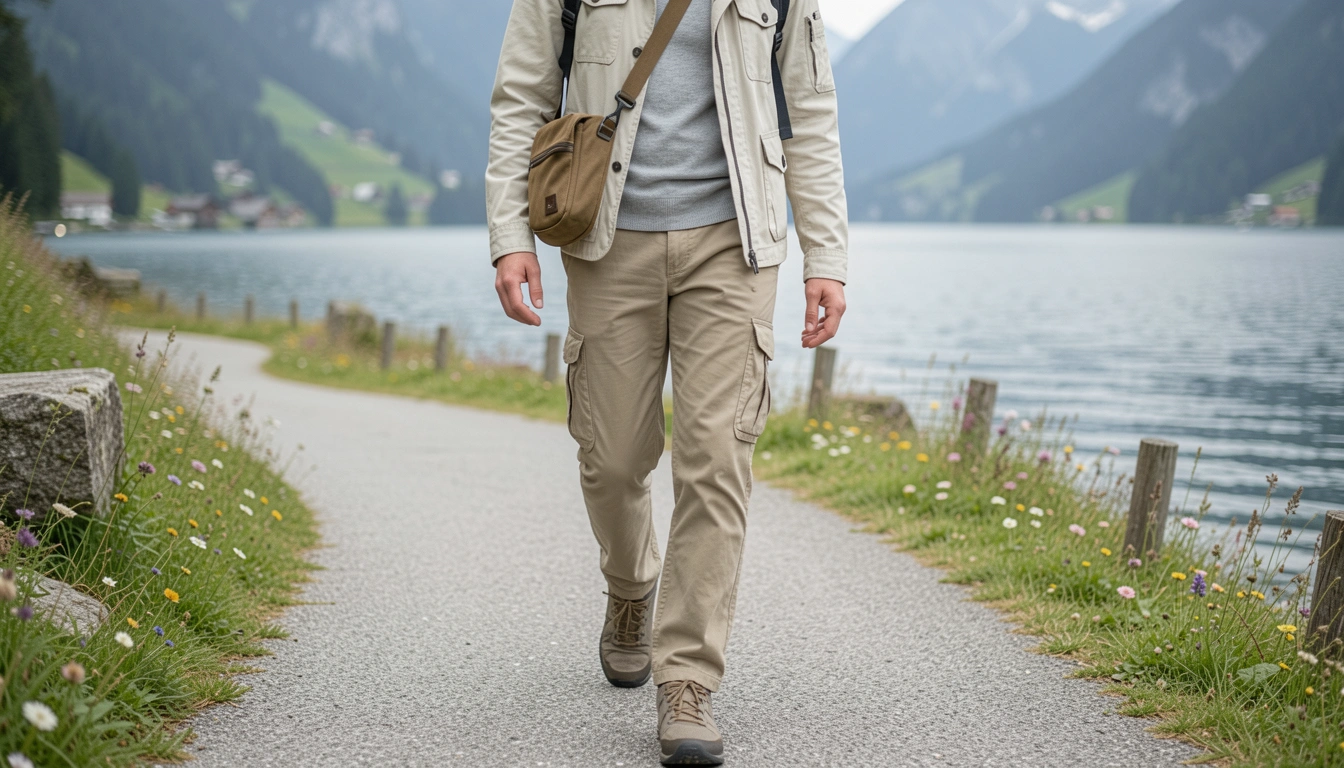
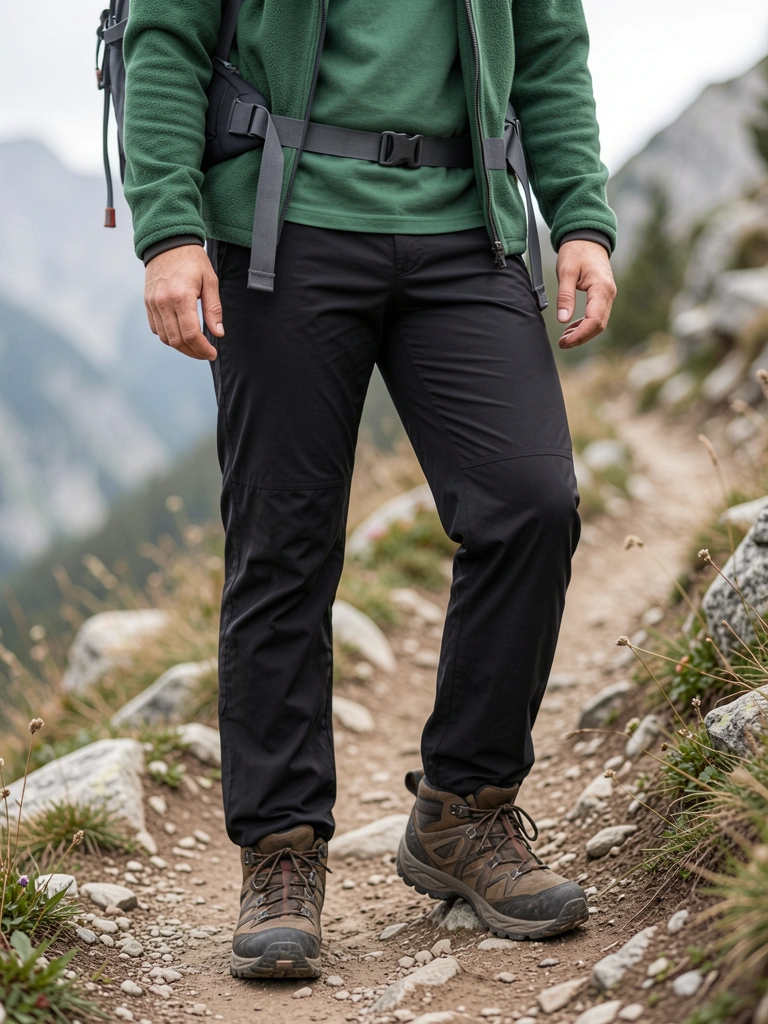
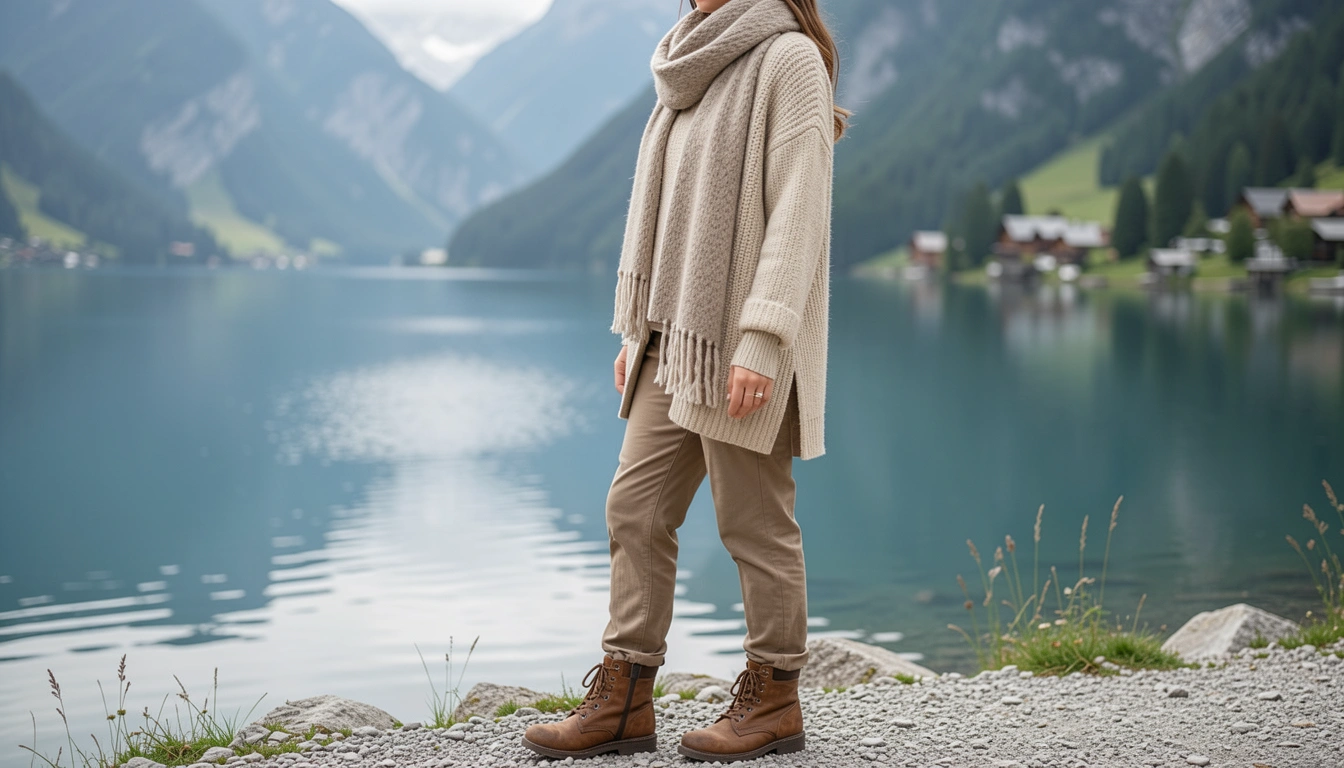
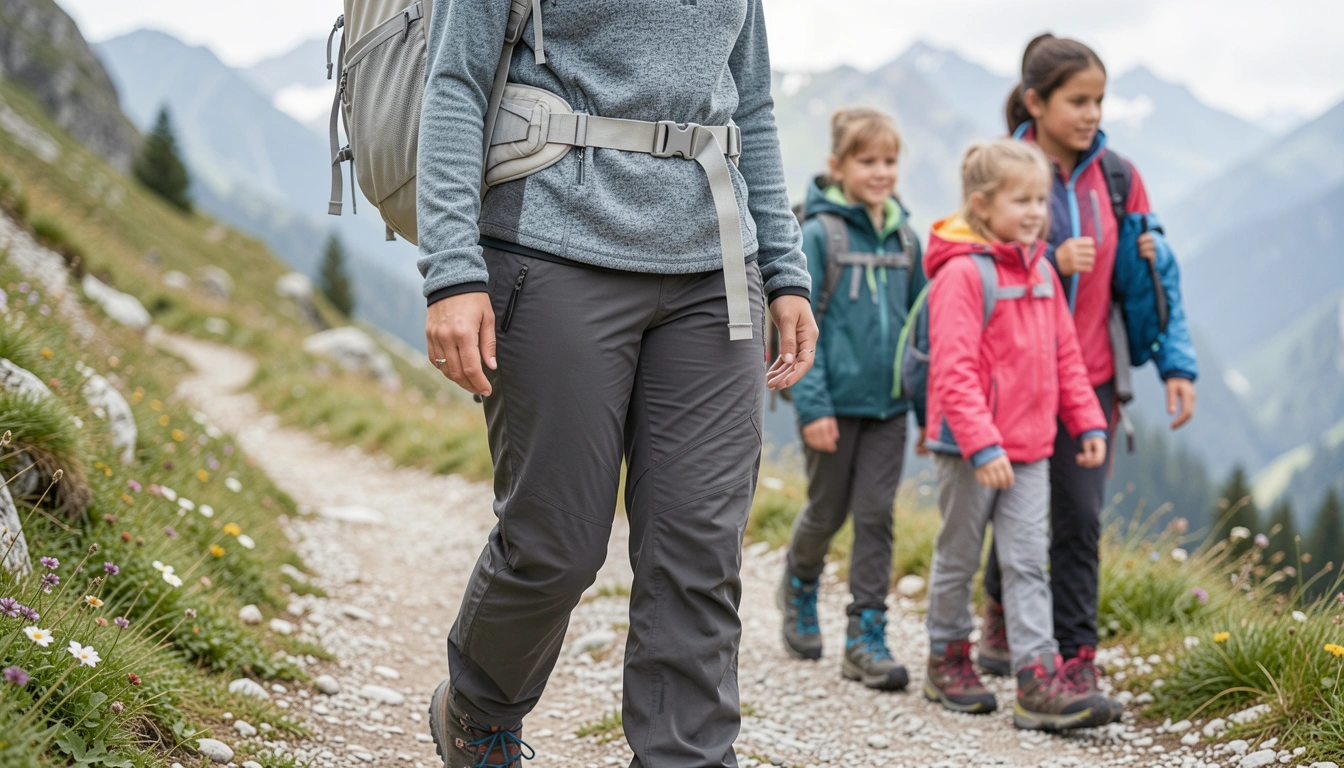
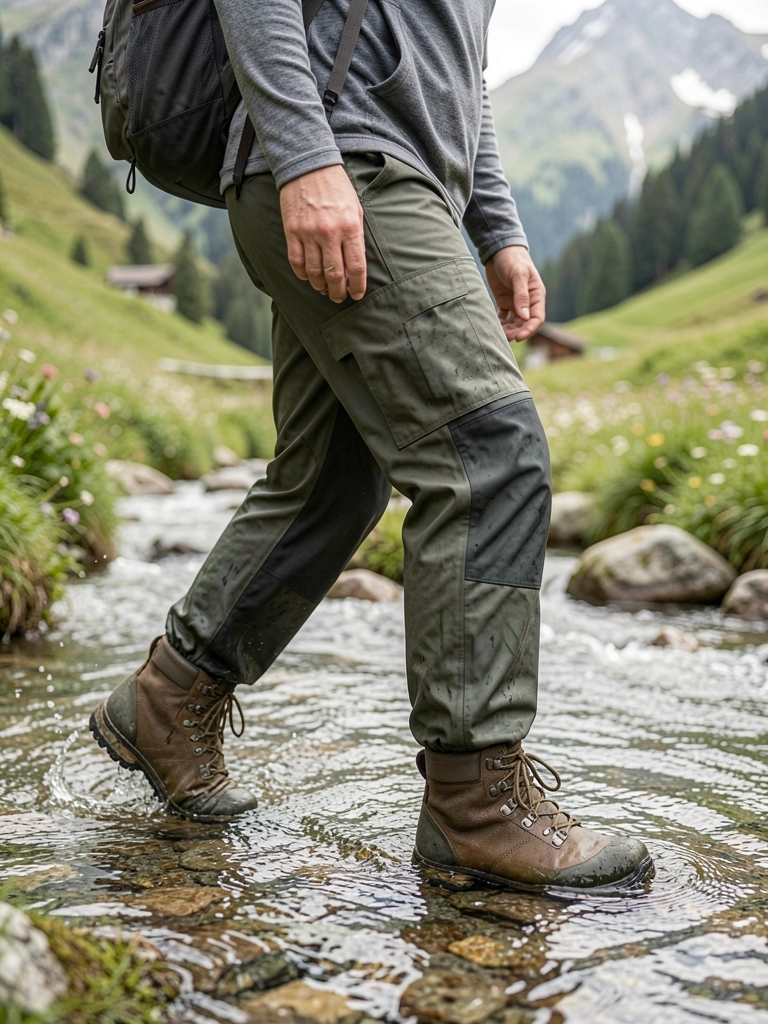
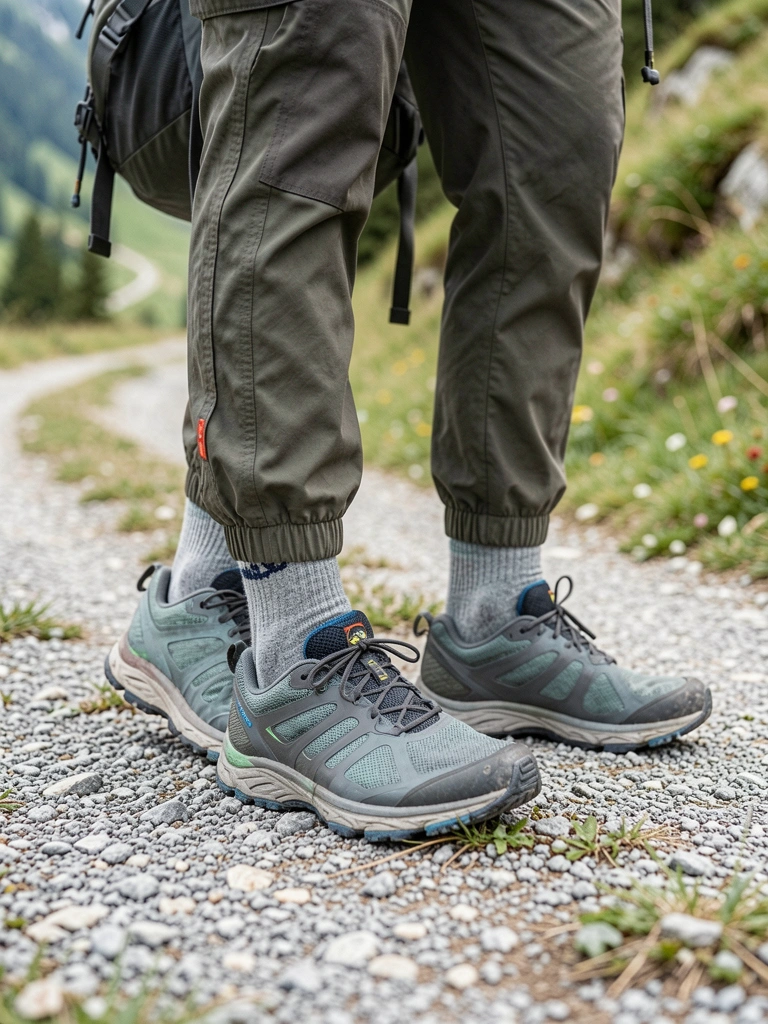
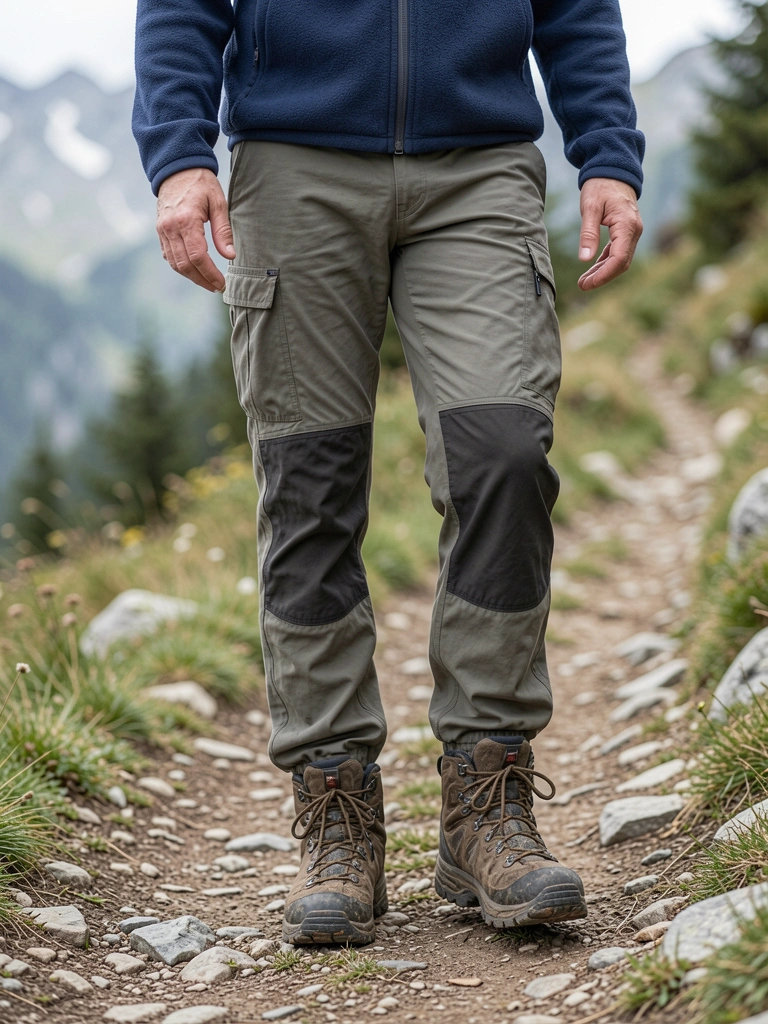
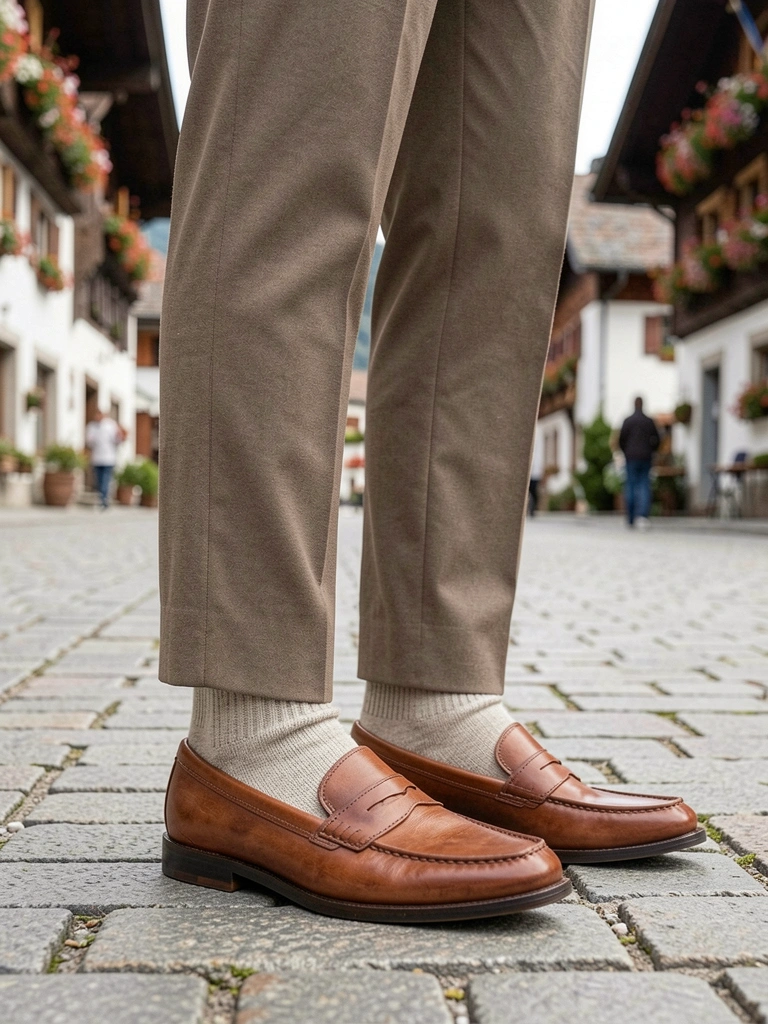
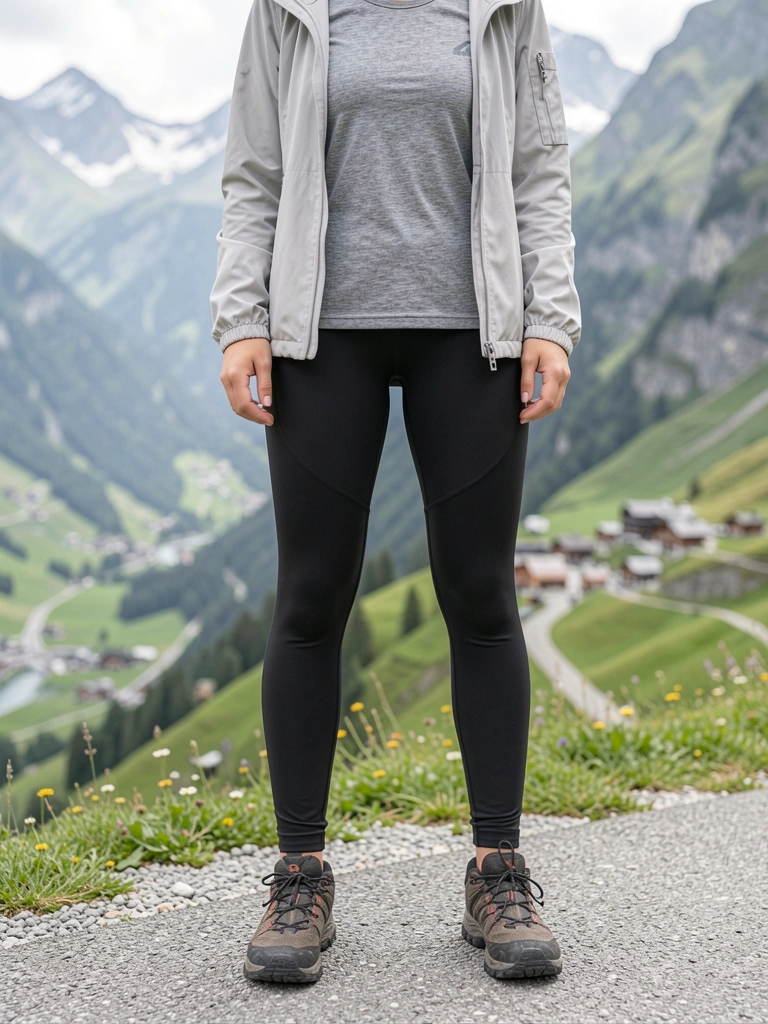
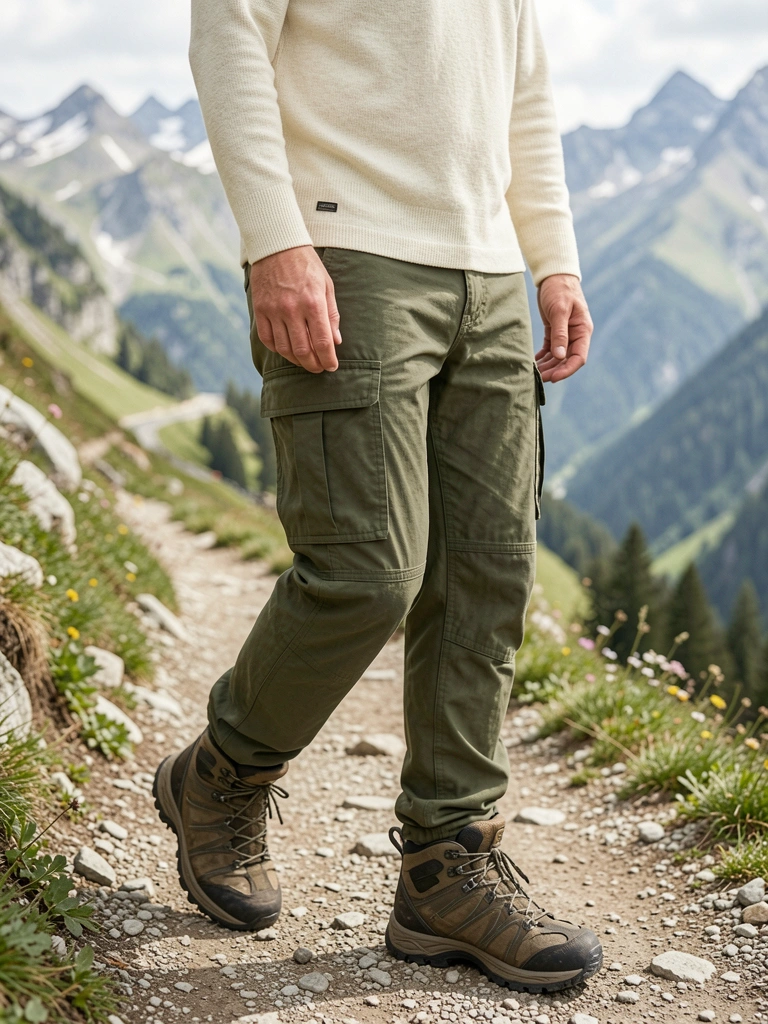
I step into stretch pants, then ankle boots. Pants flex for long sits; boots grip wet paths without weight.
Legs look straight, not baggy—full balance emerges. People overlook sock height; merino ones prevent blisters.
Avoid stiff jeans; they pinch after hours. This combo moves with you.
Whole body feels grounded, ready for Switzerland's terrain.
Step 5: Accessorize and Pack
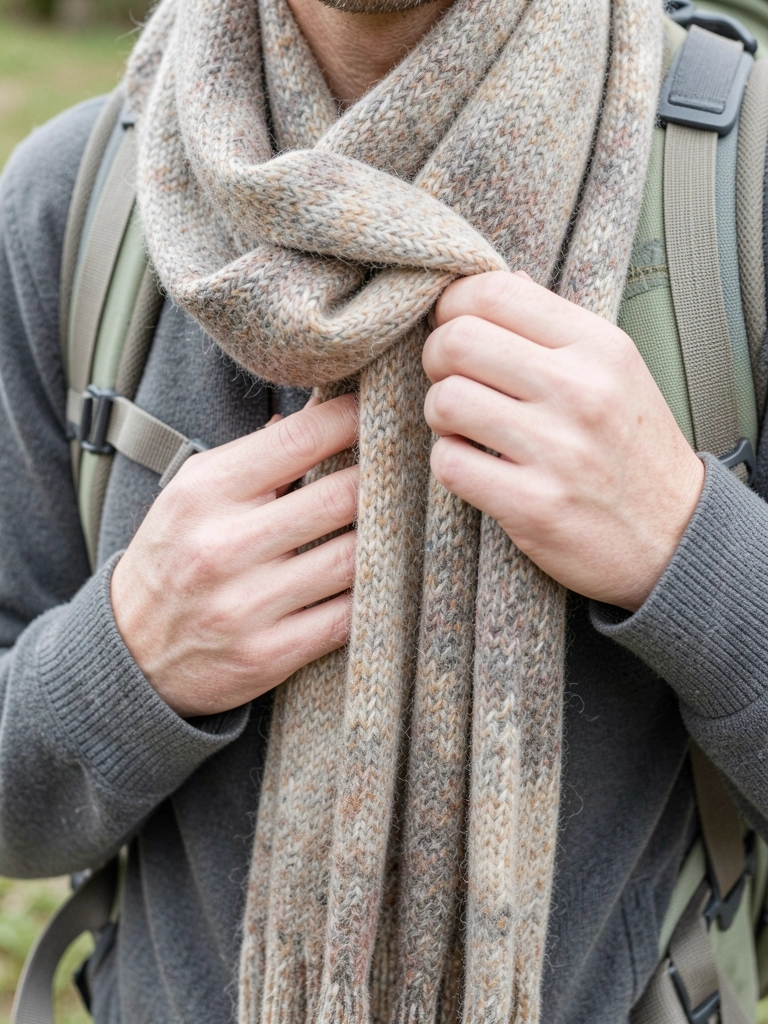
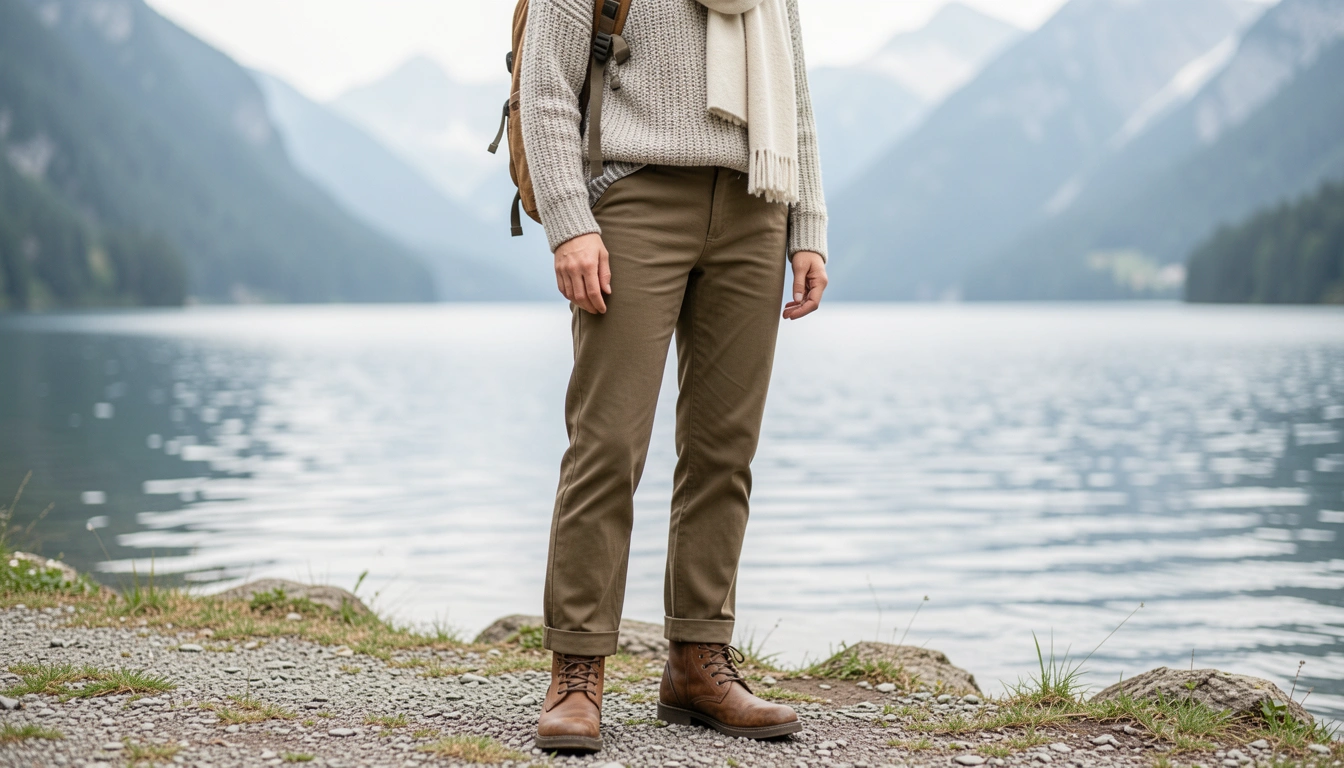
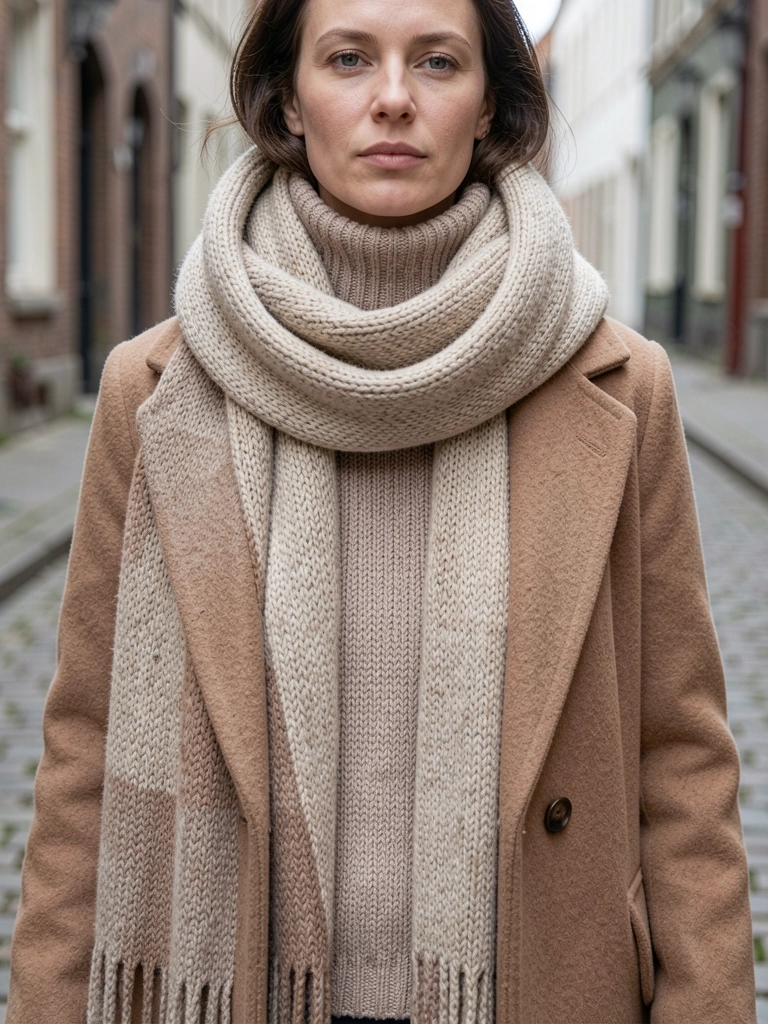
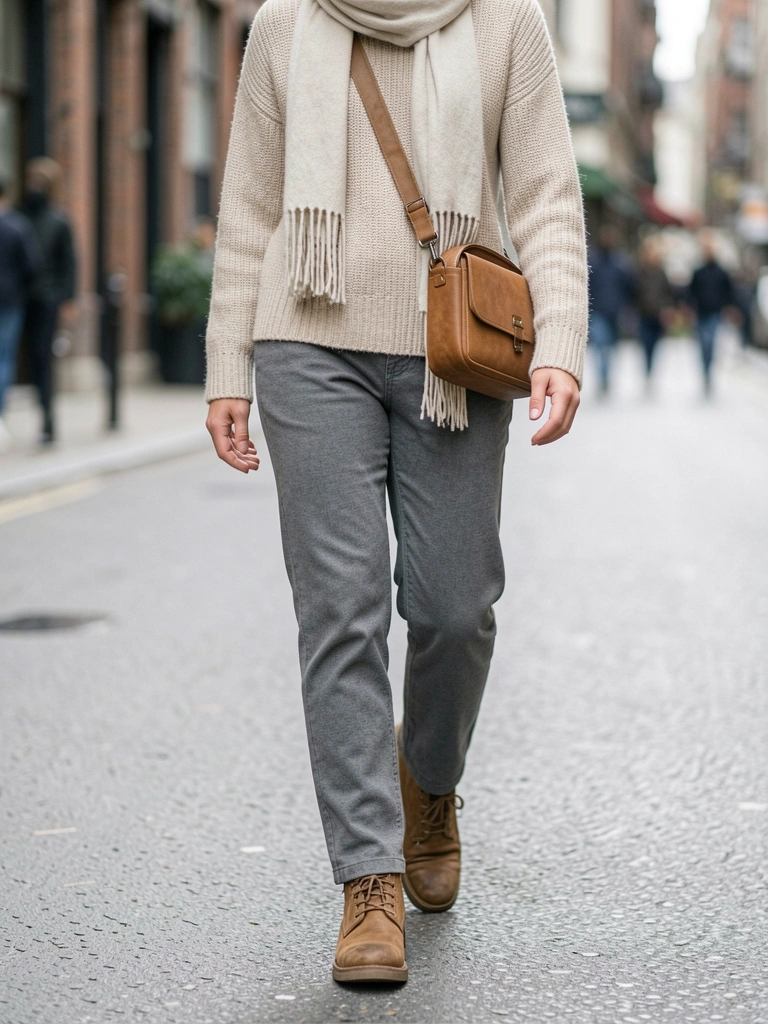
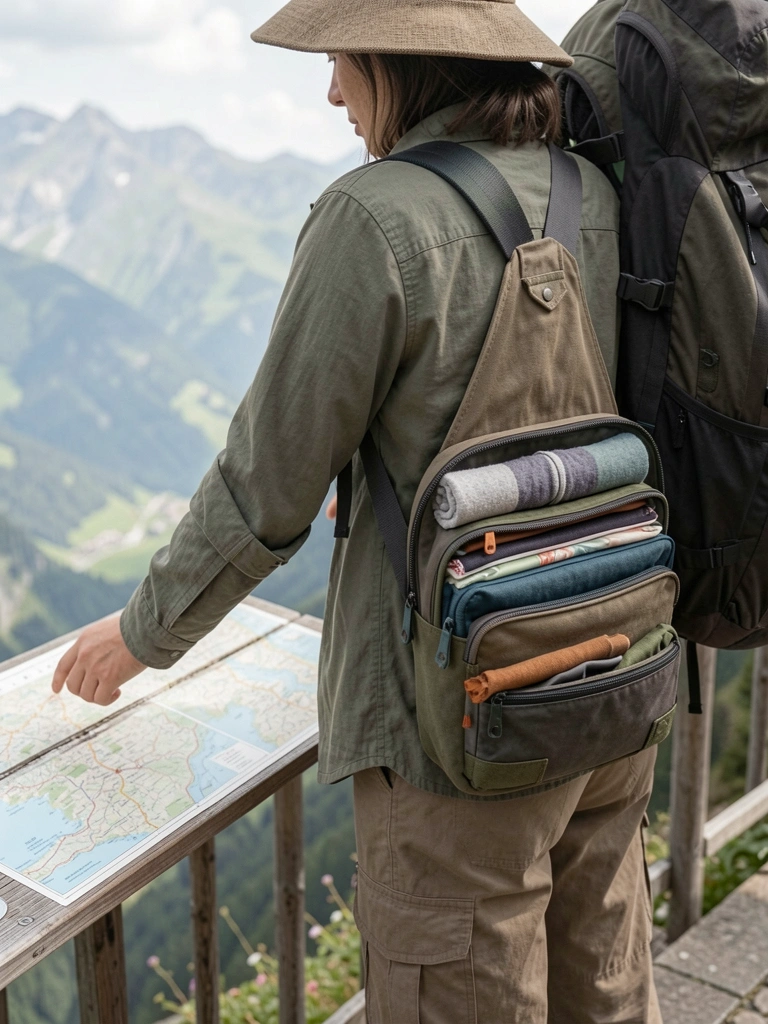
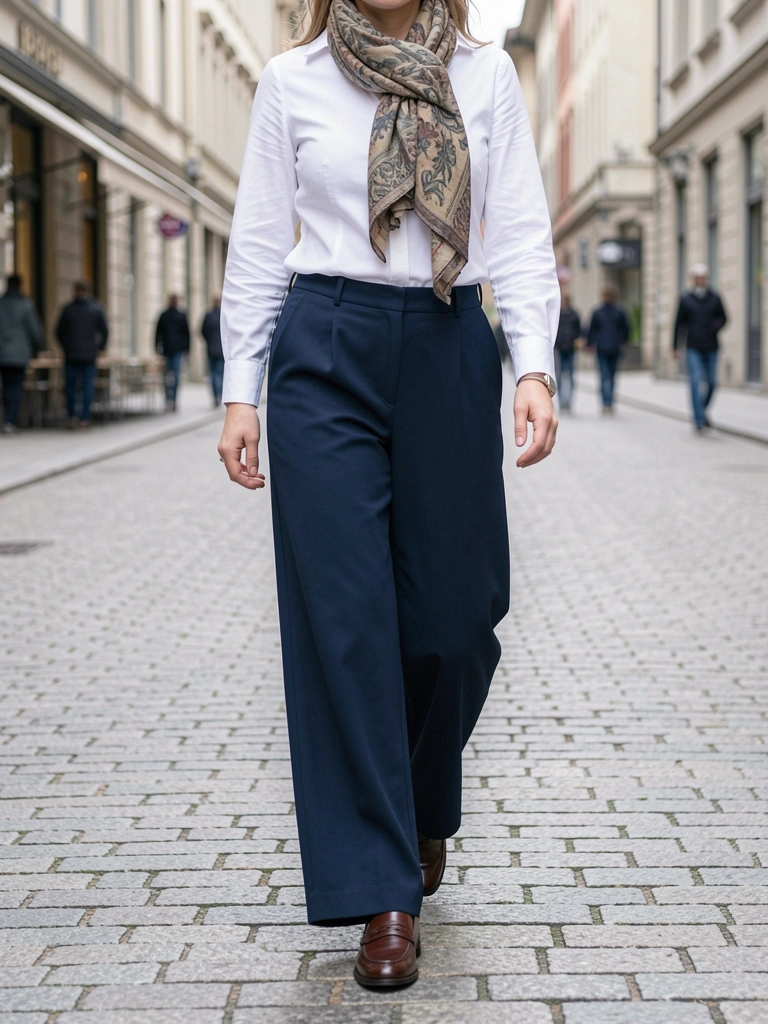
Last, I drape the scarf loosely, sling the daypack. Scarf adds warmth neck-level; pack sits high without sagging layers.
Final visual: intentional, comfortable flow. Miss: overpack scarf—it bunches collars.
Don't stuff pockets full; keeps lines clean. Outfit packs into one bag easy.
You're set—balanced for any Swiss adventure.
Switzerland Weather Layering Tips
Switzerland's weather flips fast—cool mornings, warm afternoons. I adjust by peeling mid-layers mid-day.
- Base always stays on for wicking.
- Jacket stows in pack for cities.
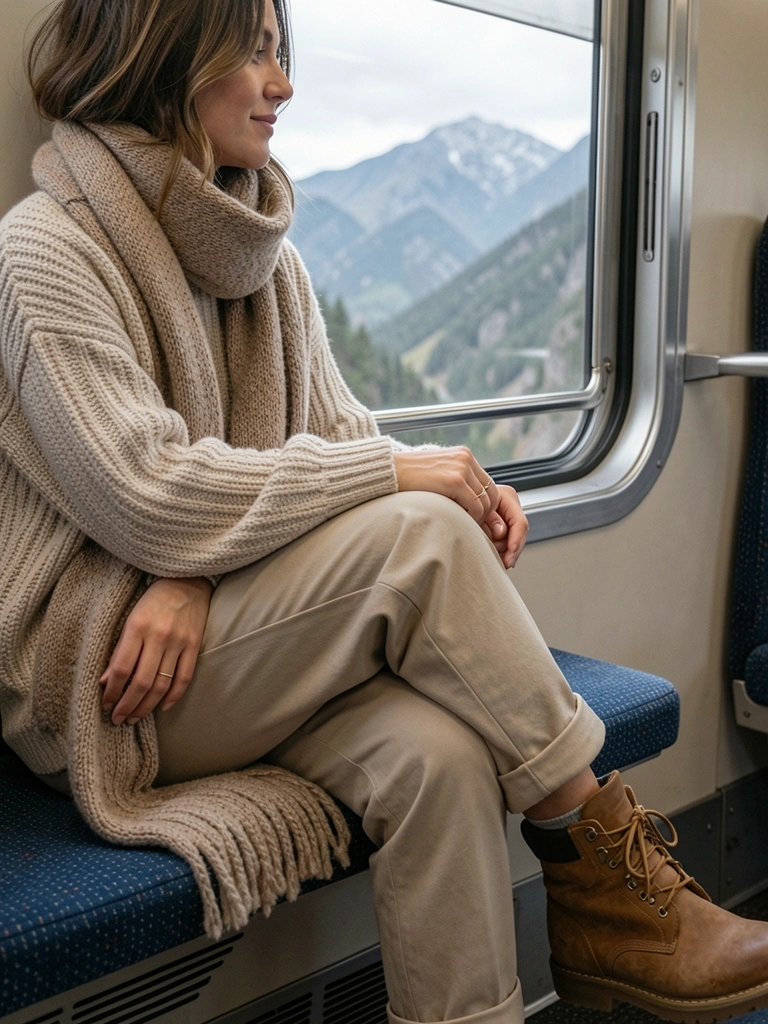
- Scarf doubles as pillow on trains.
This keeps me comfortable without redressing fully. Proportions stay even through changes.
City vs Mountain Outfits
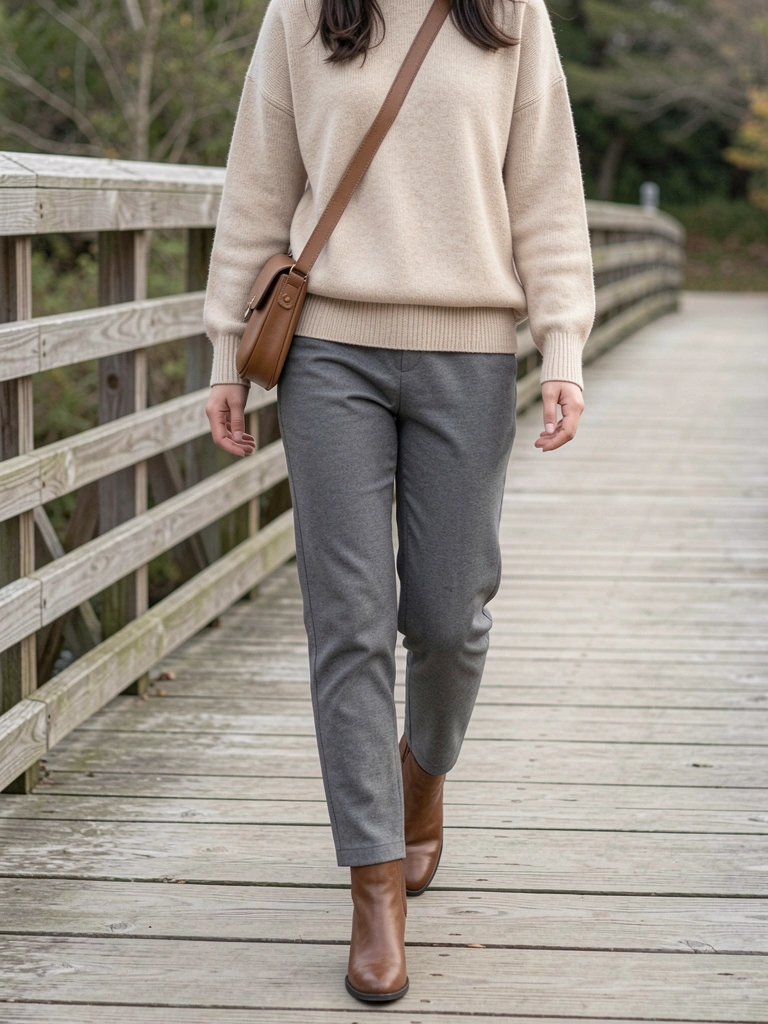
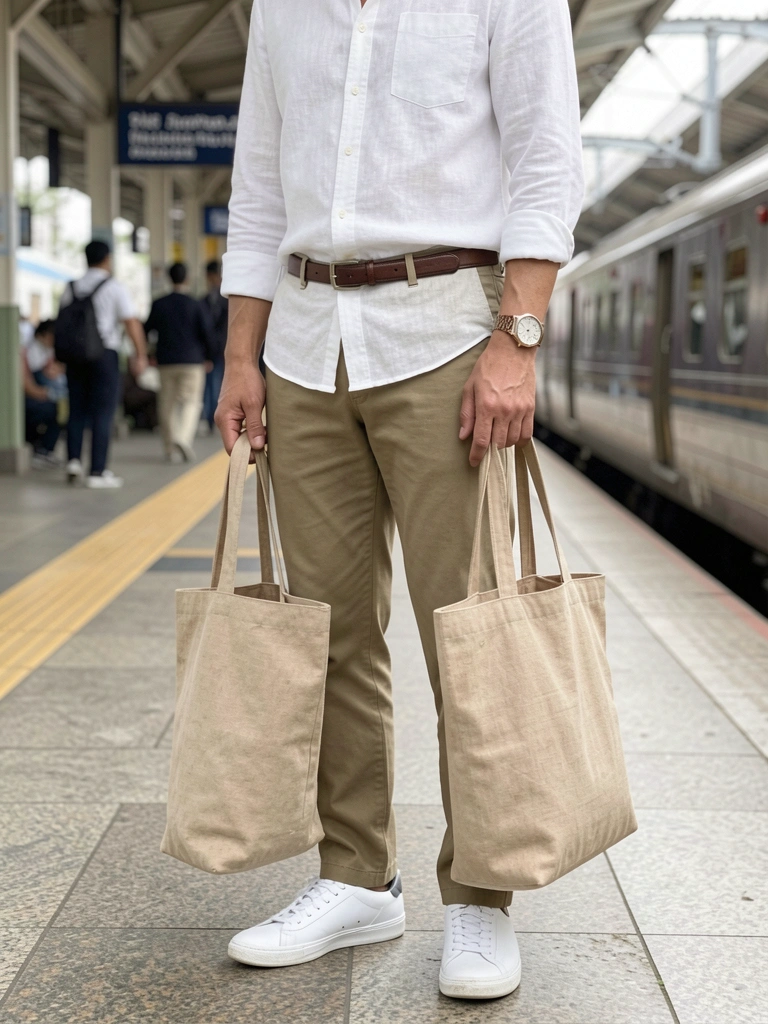
In Zurich, I drop the fleece—base, jacket, pants feel casual clean. Mountains get full layers for chill.
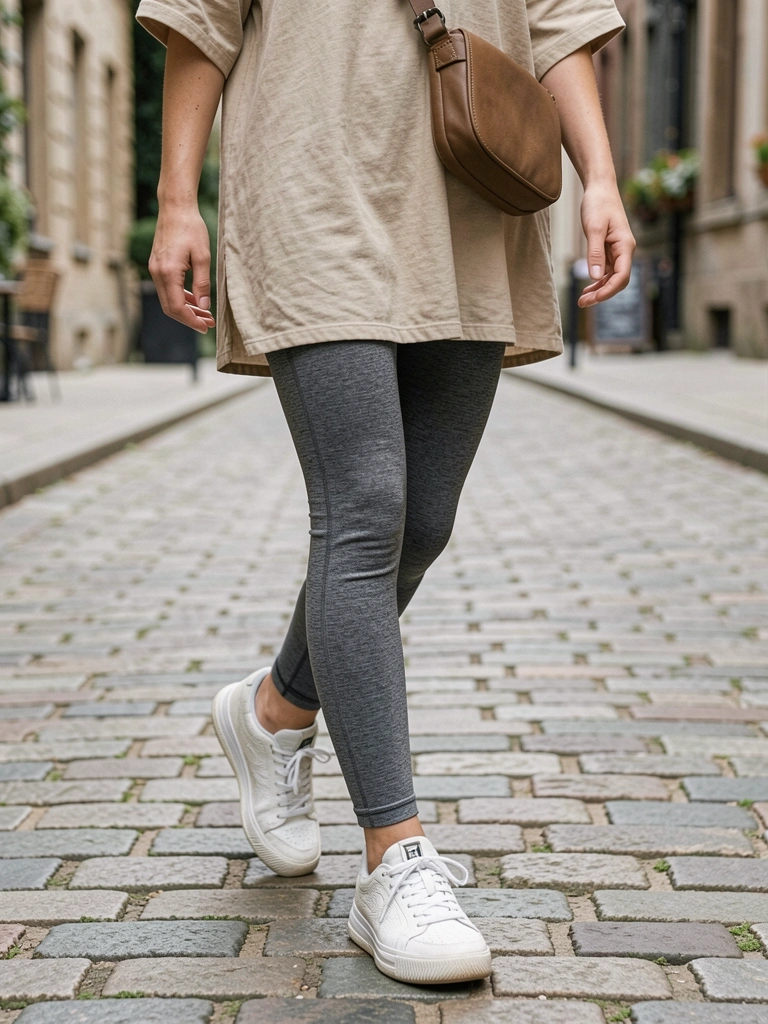
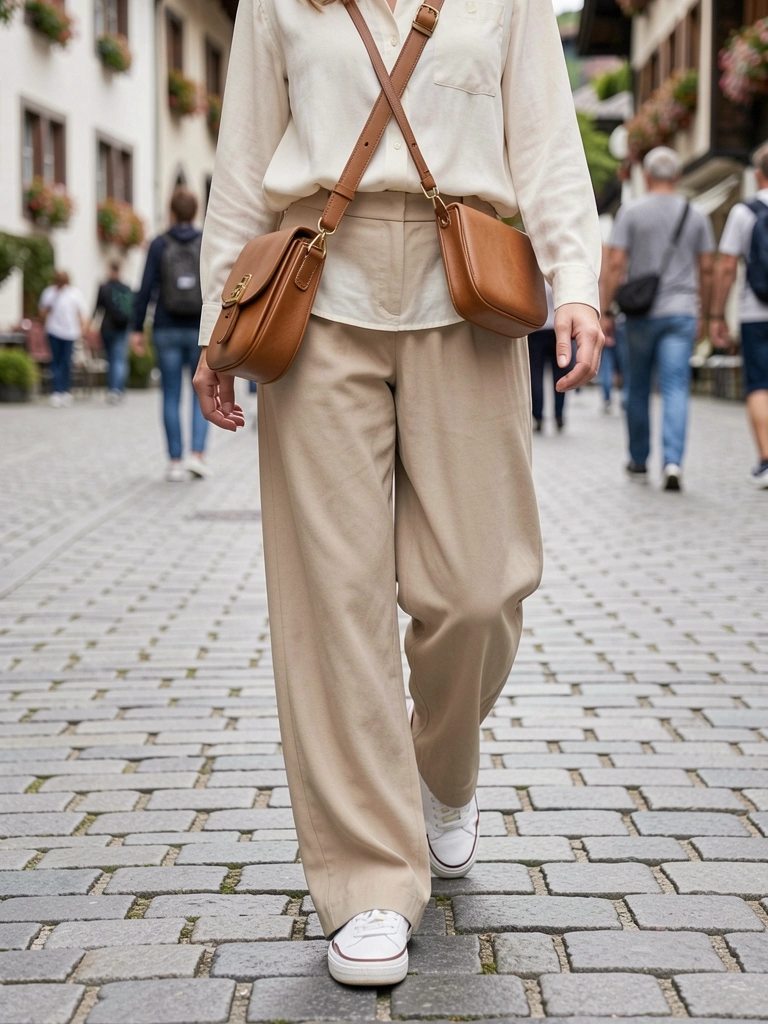
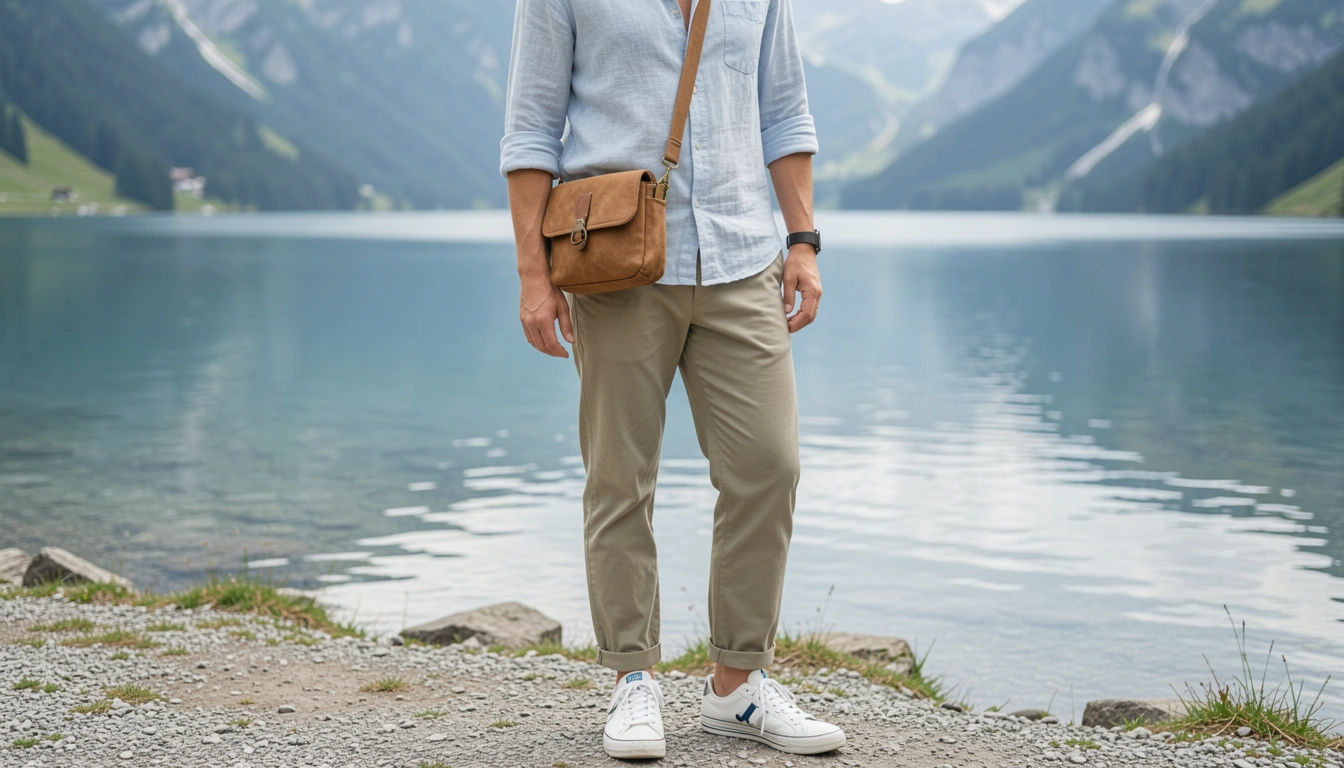
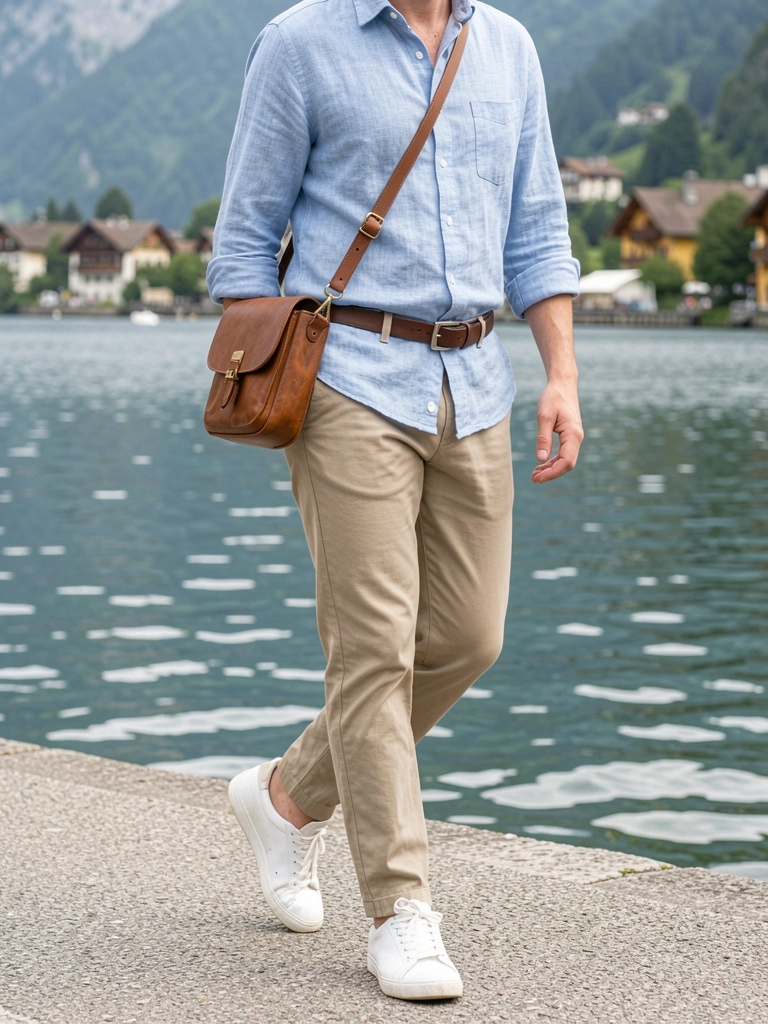
Urban walks: boots swap for sneakers if flat.
Hikes: full grip. One outfit base adapts both. No need for multiples.
Packing for Swiss Trains
Trains mean hours seated. I roll layers loosely—merino resists wrinkles.
- Daypack under seat.
- Boots off if needed, socks cozy.
- Scarf for neck chill from AC.
Arrive looking fresh, not rumpled.
Final Thoughts
Try one trip with these layers. Notice how they stay put, feel right.
Builds quiet confidence—no mid-day fixes.
Your Switzerland outfits will just work, day after day. Simple as that.