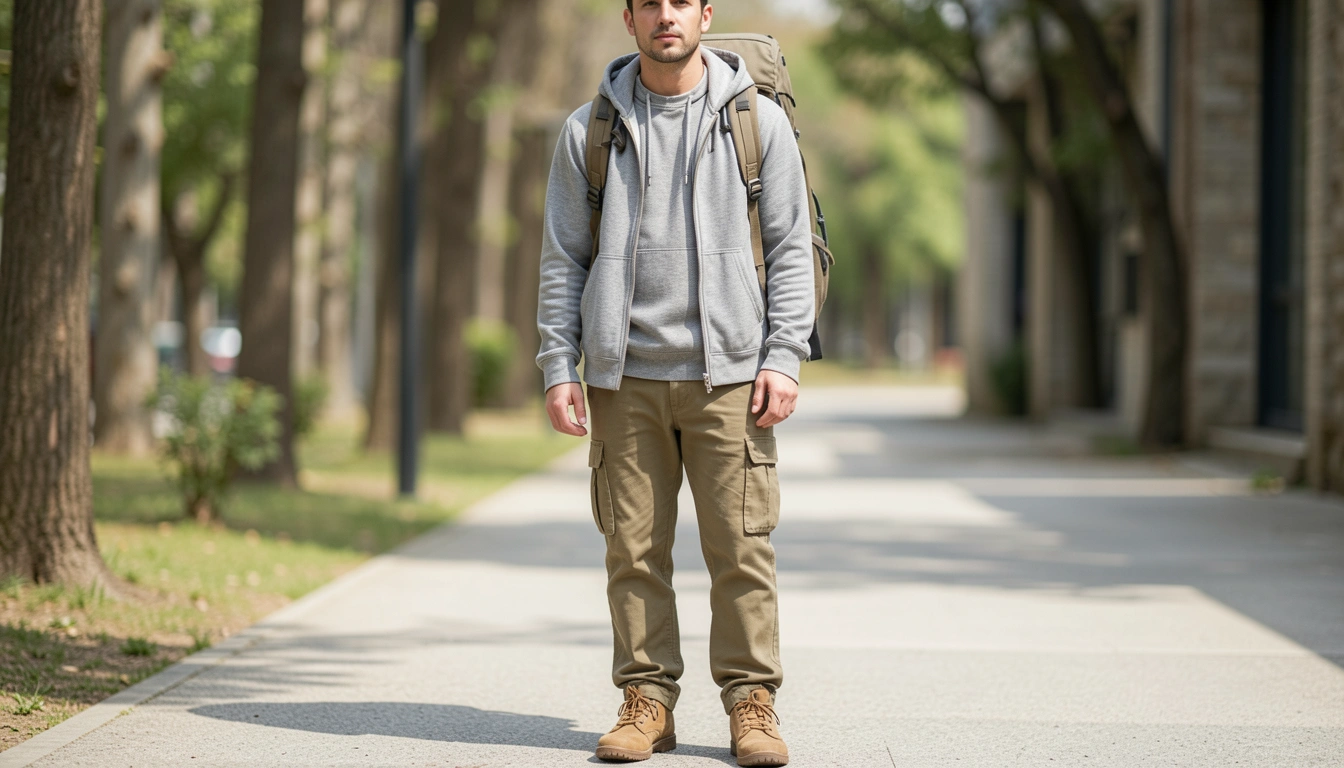
I stood in my kitchen, calendar open, heart racing at the idea of going alone. Options everywhere—beaches, cities, mountains—but nothing clicked. It felt unbalanced, like layers that bunched wrong.
I'd traveled with friends before. Easy. But solo? The quiet excited me and scared me.
One day, I just started small. Now, I plan trips that fit me perfectly.
How To Plan A Solo Trip For The First Time
This method takes you from blank page to booked adventure. You'll end up with a trip that feels right—balanced, comfortable, yours. No overwhelm. Just real steps that work.
What You’ll Need
- Leather passport holder in neutral tan
- Compact travel backpack in soft gray nylon
- Lined notebook for planning in cream pages
- Portable charger slim black design
- Comfortable walking sneakers low profile
- Structured neck pillow memory foam
- Layered lightweight jacket water resistant
Step 1: Pick Your Spot and Dates

I grab my lined notebook and passport holder first. I list places that pull me—quiet towns, easy walks. Why? A spot that fits your energy keeps the trip balanced from day one.
Visually, the page fills: dates circled, one place starred. It shifts from chaos to a clear frame.
People miss how mood sways choice. I pick based on what I crave now, not trends. Avoid booking too far—start with 4-5 days. Longer feels off at first.
I breathe easier seeing it laid out. Feels wearable, not forced.
Step 2: Set Your Budget Real
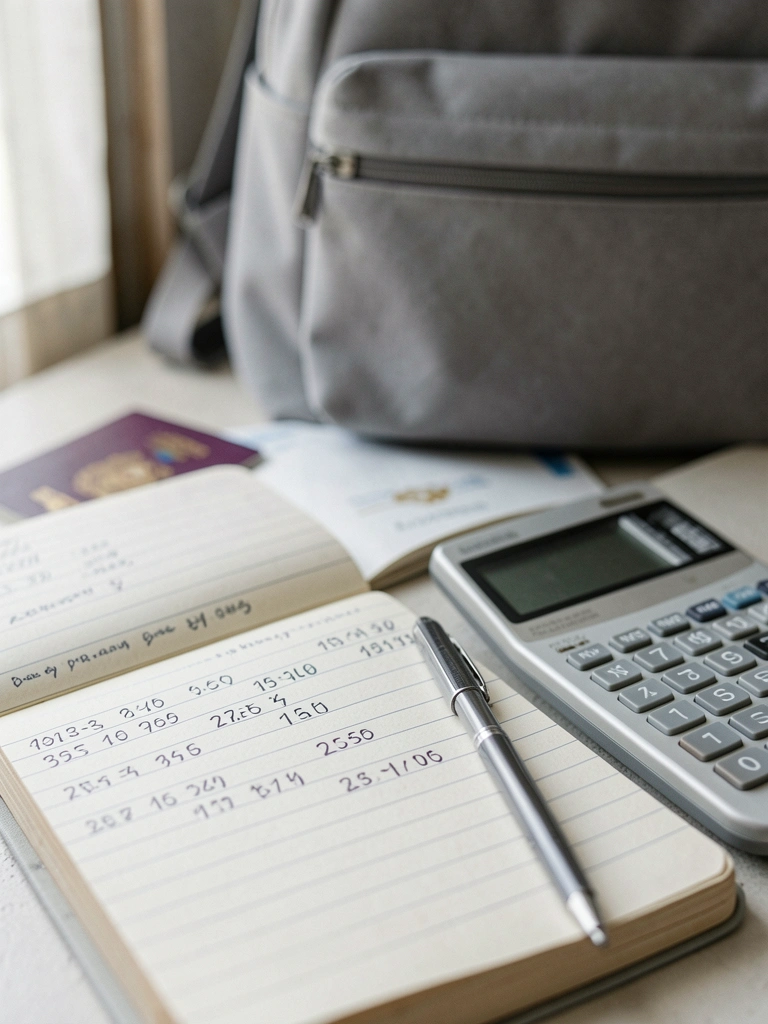
Notebook open again. I jot costs: flight, stay, food. Start with what I have, not dreams. This grounds everything—prevents that sinking mid-trip feel.
The page shows totals in black ink. Clean lines emerge, like proportions evening out.
Insight: Buffer 20% for surprises. Folks skip this, then scramble. Don't lowball food—solo means eating where you want.
My budget feels solid now. Comfortable, like clothes that move with me.
Step 3: Book the Basics
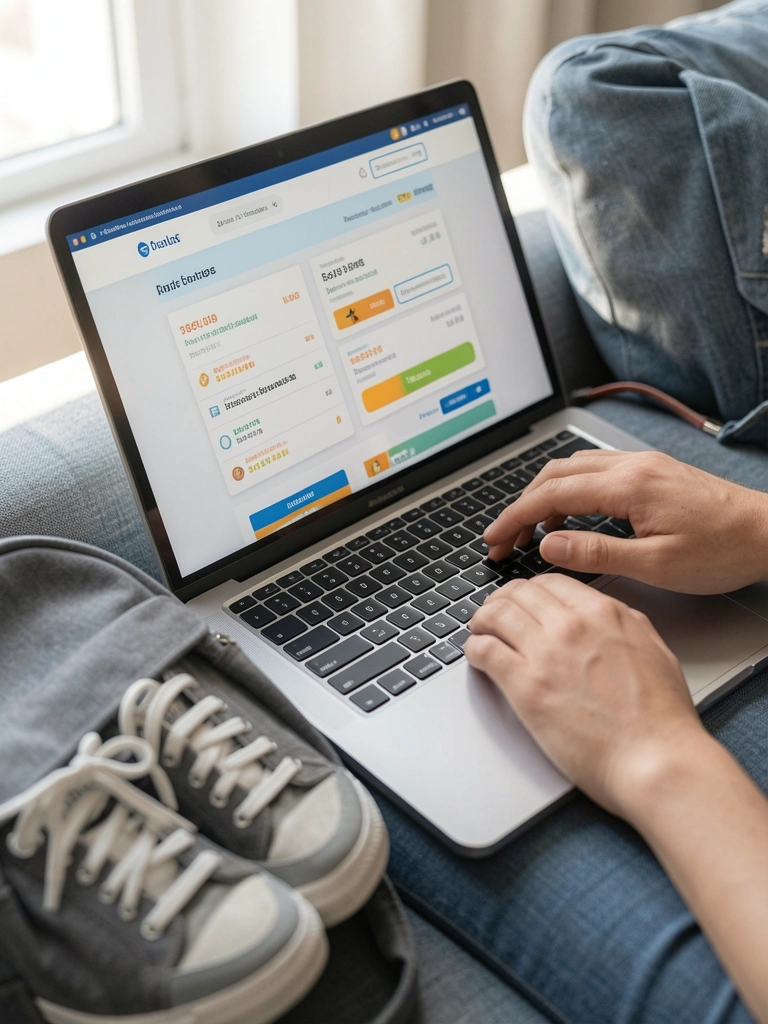
With budget set, I book flight and a simple stay using my passport holder ready. Pick flexible options. Why? Freedom lets the trip breathe.
Screen confirms: tickets in email. It looks real now, balanced core in place.
Missed often: Read reviews for real vibes, not stars. Avoid peak seasons—crowds unbalance solo peace.
Relief hits. The frame holds.
Step 4: Sketch Loose Days
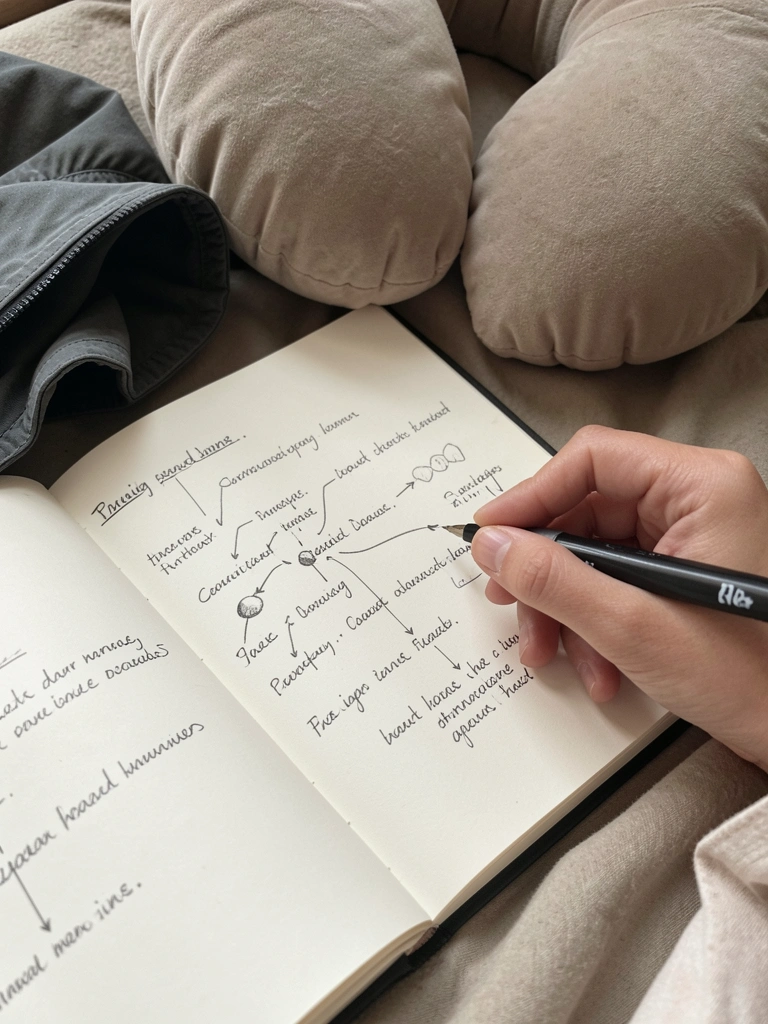
I outline days lightly—no rigid clock. Walks, one meal spot, rest. Fits my notebook perfectly.
Page shows bullets, not blocks. Visual flow appears, like layers settling right.
People overplan, miss living room. Insight: Leave gaps for feels. Avoid all-museum days—tires quick solo.
It feels intentional. Ready to wear.
Step 5: Pack and Prep Mind
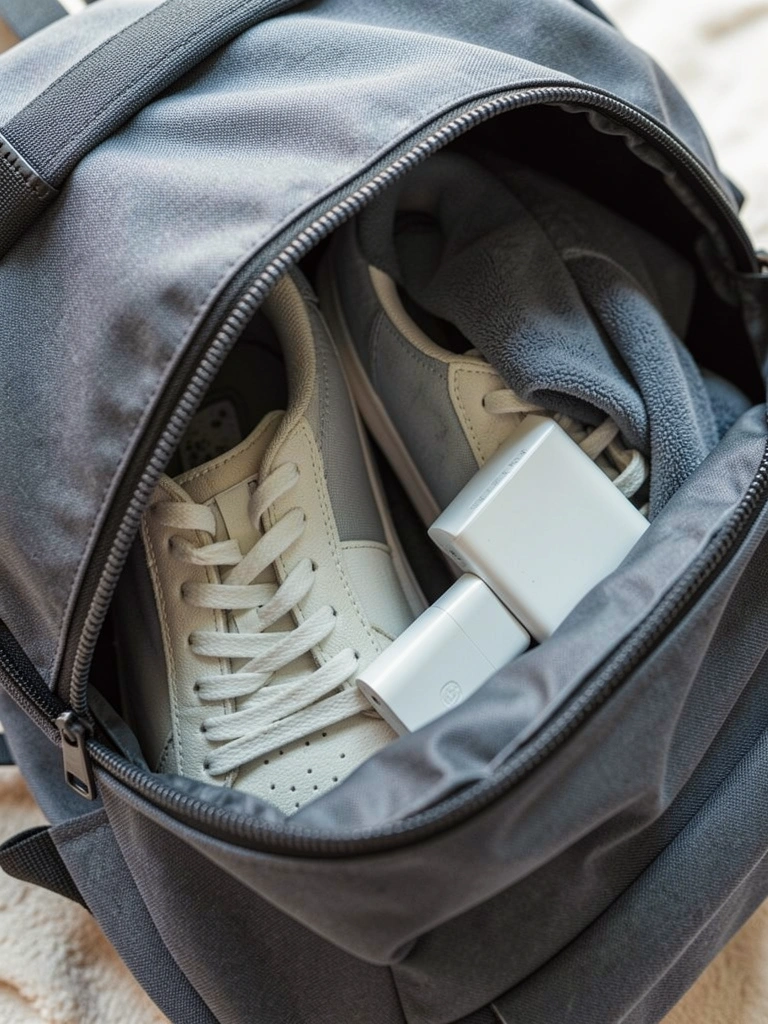
Backpack out. Essentials only: sneakers, charger, jacket, pillow. Test the weight—balanced carry matters.
Bag zips easy, contents shift right. Feels light, capable.
Miss: Overpack fear. Pack for weather feels, not what-ifs. Avoid heavy—solo means moving free.
I'm set. Quiet confidence.
Choosing Your First Destination
I scan maps in my notebook. Cities overwhelm at start, so I lean rural or small towns. Fits my pace.
- Beaches for reset.
- Mountains for quiet hikes.
- Nearby spots cut flight stress.
What draws you? That's your fit.
Budget Breakdown Tips
Numbers in notebook keep me honest. Flight 40%, stay 30%, rest flexible.
Track daily:
- Meals: Local spots save.
- Transit: Walk or cheap rides.
Buffer covers coffee whims.
Solo Safety Basics
Phone charged always. Share itinerary with one person.
In town:
- Stick to lit paths.
- Trust gut on feels.
It lets me relax deeper.
Final Thoughts
Start close, short. One trip builds the next.
You'll feel the balance click—your rhythm, no adjustments.
It's just you and the road. Simple as that.
Leave a Reply