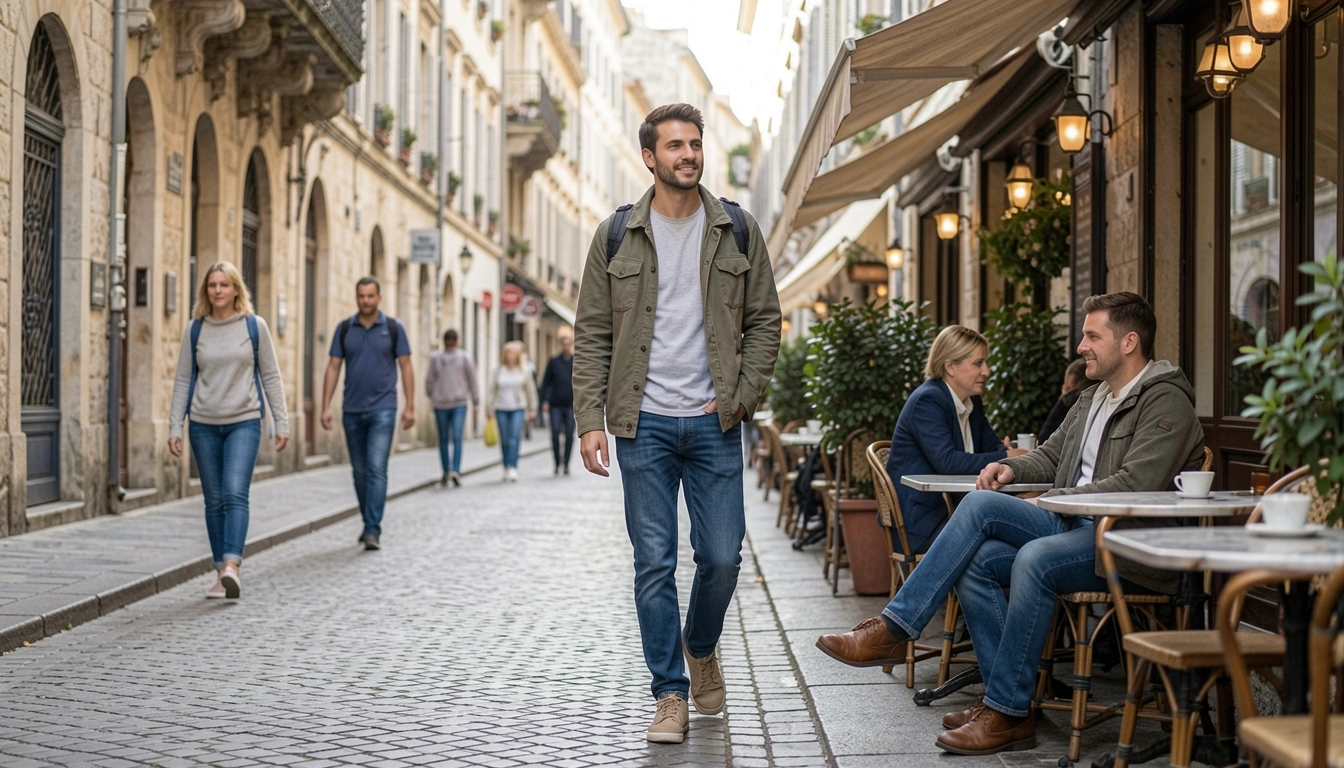
I remember landing in Paris, map in hand, staring at endless options: museums, tours, hikes. My feet ached from bad choices, days blurred into exhaustion. Nothing felt right.
Europe's got it all—castles, beaches, cities. But picking activities? It's overwhelming. I wasted trips chasing "must-sees," ending up drained.
You've felt that too. Standing there, unsure where to start.
How To Choose Activities In Europe Travel
This is the method I use every trip. It matches activities to my energy, weather, and location. You end up with days that feel balanced and memorable, no regrets.
What You’ll Need
- Lightweight daypack for carrying essentials across cities
- Comfortable walking shoes for cobblestone streets
- Reusable water bottle to stay hydrated on long days
- Compact travel umbrella for sudden rain
- Quick-dry towel for beach or spa stops
- Noise-cancelling earbuds for train rides between spots
- Pocket guidebook for offline city maps
- Portable power bank for all-day phone use
Step 1: Check Your Energy And Pace
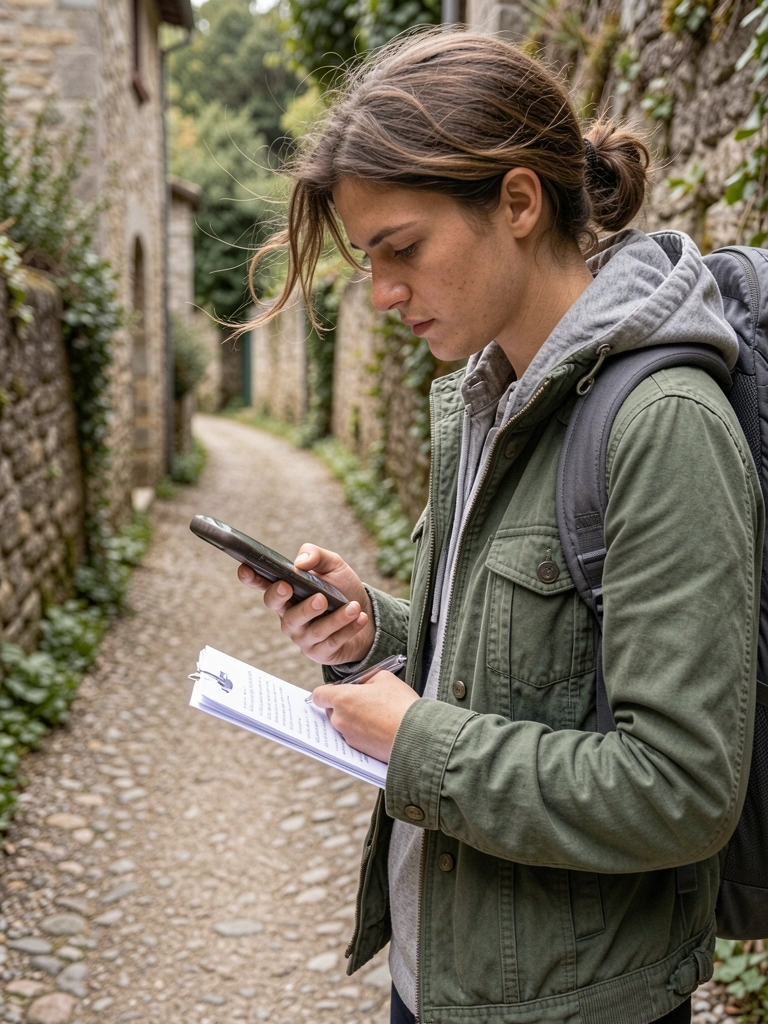
I start every morning feeling out my energy. Am I up for crowds or craving quiet? After a late night, I skip packed tours.
Visually, my day shifts from chaotic lists to a clear top three. It feels lighter already.
People miss how pace sets the tone—one insight: match activity to your body's signals. Avoid overbooking; that's the mistake that kills trips. I pick one big thing, fill with walks.
Step 2: Factor In Weather And Season

Europe's weather flips fast. I check apps first—rain means indoor museums, sun calls for parks.
My itinerary balances now: half sheltered, half open-air. It looks doable on paper.
Insight folks skip: seasons change vibes—winter markets over summer hikes. Don't chase summer plans in fall; you'll get soaked. I swap flexibly.
Step 3: Map Location And Logistics
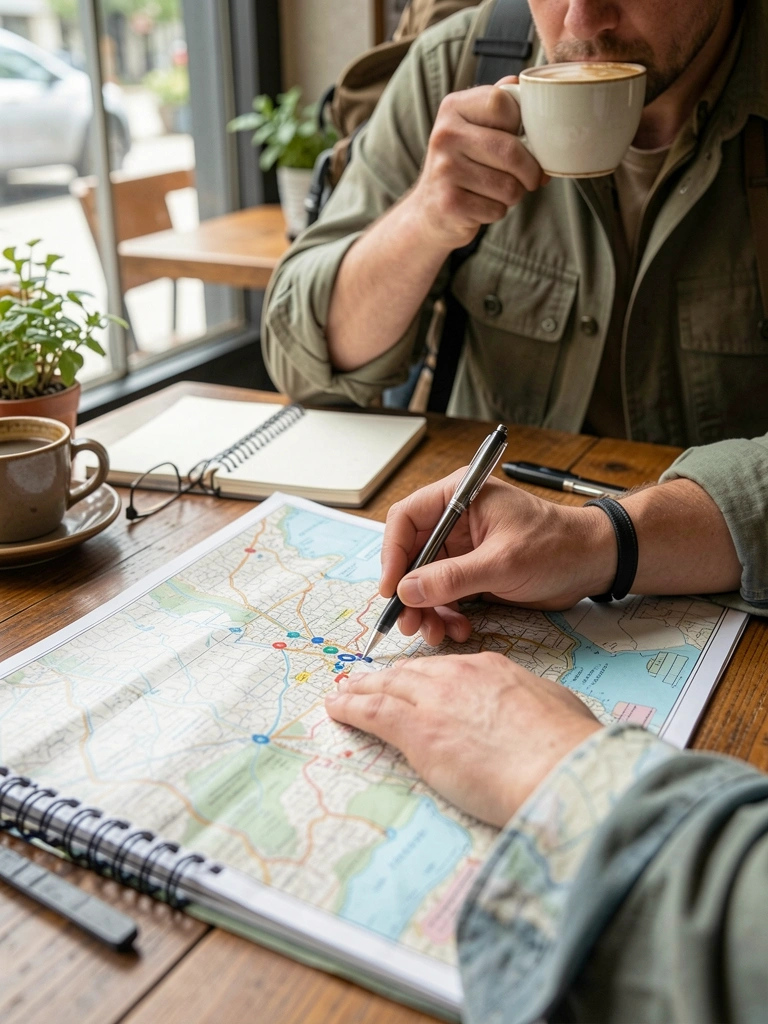
Cities cluster activities. I plot on a map: group by neighborhood to cut travel time.
Days flow smoother—less rushing, more soaking in. It feels connected.
Overlooked point: trains beat buses for countryside. Mistake? Ignoring walk times; 20 minutes turns hour on hills. I add buffers.
Step 4: Balance Budget And Free Options
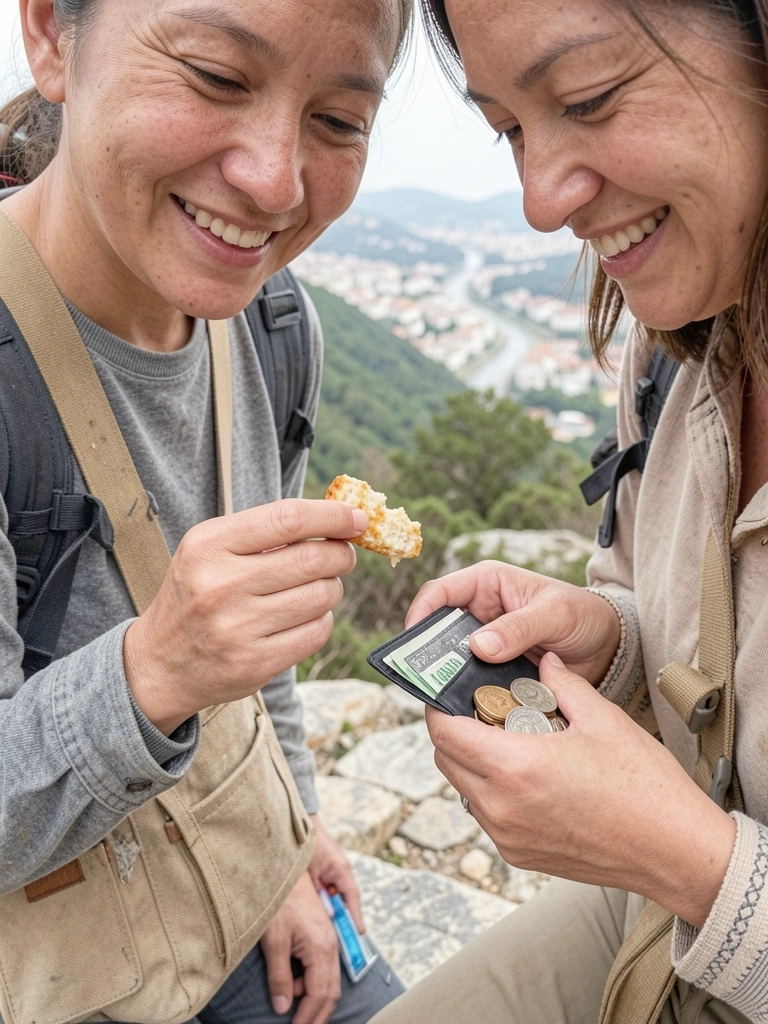
I tally costs early. Paid entries mix with free walks, markets.
Budget looks even—no shocks. Trips stretch longer.
Insight: Locals tip hidden gems. Avoid tourist traps; they're overpriced. I ask hotel staff.
Step 5: Mix Interests With Local Flavor

I blend my loves—art, food—with what's unique there. Italy? Pasta walks.
Itinerary sparks joy, not duty. Feels personal.
People forget: trends pass; classics endure. Don't Instagram-chase; seek quiet spots. Builds real memories.
Common Mistakes When Choosing Activities
I used to cram too much. Ended tired, seeing nothing deeply.
- Pack schedules ignoring rest—body rebels.
- Ignore closures; check sites weekly.
- Skip food breaks; hunger ruins moods.
Now I breathe between. Trips improve.
Best Activities By Region
Northern Europe suits history buffs. Southern? Beaches.
Italy: Ruins and gelato strolls.
Spain: Tapas crawls.
France: Markets mornings.
Matches my mood each time.
Adapting For Group Travel
Solo is easy. Groups need votes.
Talk interests first. Compromise—one museum, one hike.
Everyone happy. No dragged faces.
Final Thoughts
Start with one city, test this. It'll click.
You'll trust your picks more. Days feel yours.
Real travel's in the balance you create.
Leave a Reply