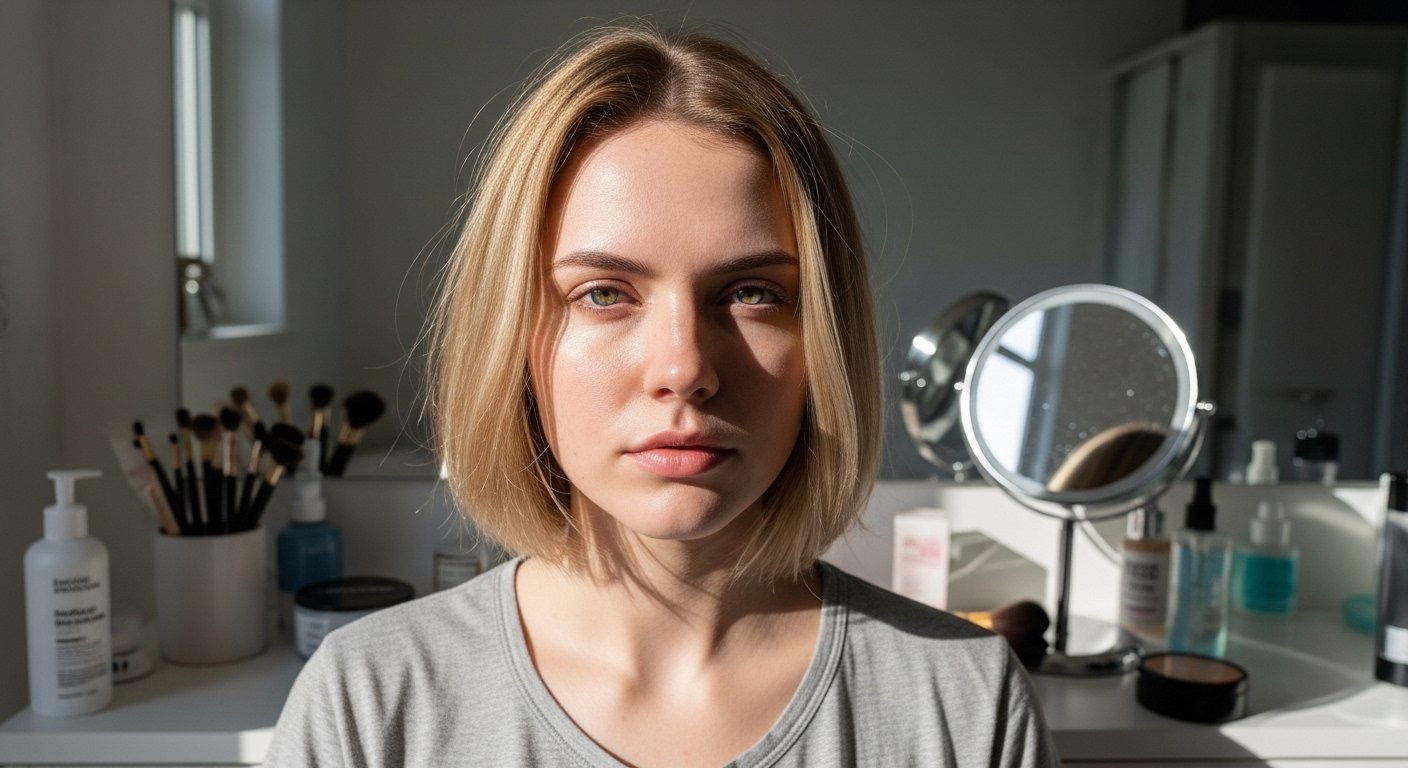
I kept picking colors from photos and then looked faded in daylight.
My pale skin felt washed out more than I expected. The right shade made a real difference.
I learned simple checks that stop a new color from hiding my face. This is what I do before each change.
How to Choose Hair Colors For Pale Skin Without Looking Washed Out
I’ll show how I match undertone, choose contrast, and test shades so pale skin looks lively, not flat. The goal is a color that complements my skin and feels natural, low-risk, and consistent with my daily routine.
What You’ll Need
- Daylight vanity mirror (bright LED) — https://www.amazon.com/s?k=daylight+vanity+mirror+led&tag={{flowpinsystem-20}}
- Hair color swatch ring (multi-shade) — https://www.amazon.com/s?k=hair+color+swatch+ring&tag={{flowpinsystem-20}}
- Semi-permanent hair dye (no ammonia) — https://www.amazon.com/s?k=semi+permanent+hair+dye+no+ammonia&tag={{flowpinsystem-20}}
- Temporary root touch-up spray (shade tester) — https://www.amazon.com/s?k=root+touch+up+spray&tag={{flowpinsystem-20}}
- Color-depositing conditioner (shade-matching mask) — https://www.amazon.com/s?k=color+depositing+conditioner&tag={{flowpinsystem-20}}
- Purple shampoo (for cool-toned maintenance) — https://www.amazon.com/s?k=purple+shampoo&tag={{flowpinsystem-20}}
- Sulfate-free shampoo for color-treated hair — https://www.amazon.com/s?k=sulfate+free+shampoo+color+treated&tag={{flowpinsystem-20}}
- Tinted eyebrow pencil (soft brown or ash) — https://www.amazon.com/s?k=tinted+eyebrow+pencil+soft+brown&tag={{flowpinsystem-20}}
Step 1: Check Undertone and Contrast in Natural Light
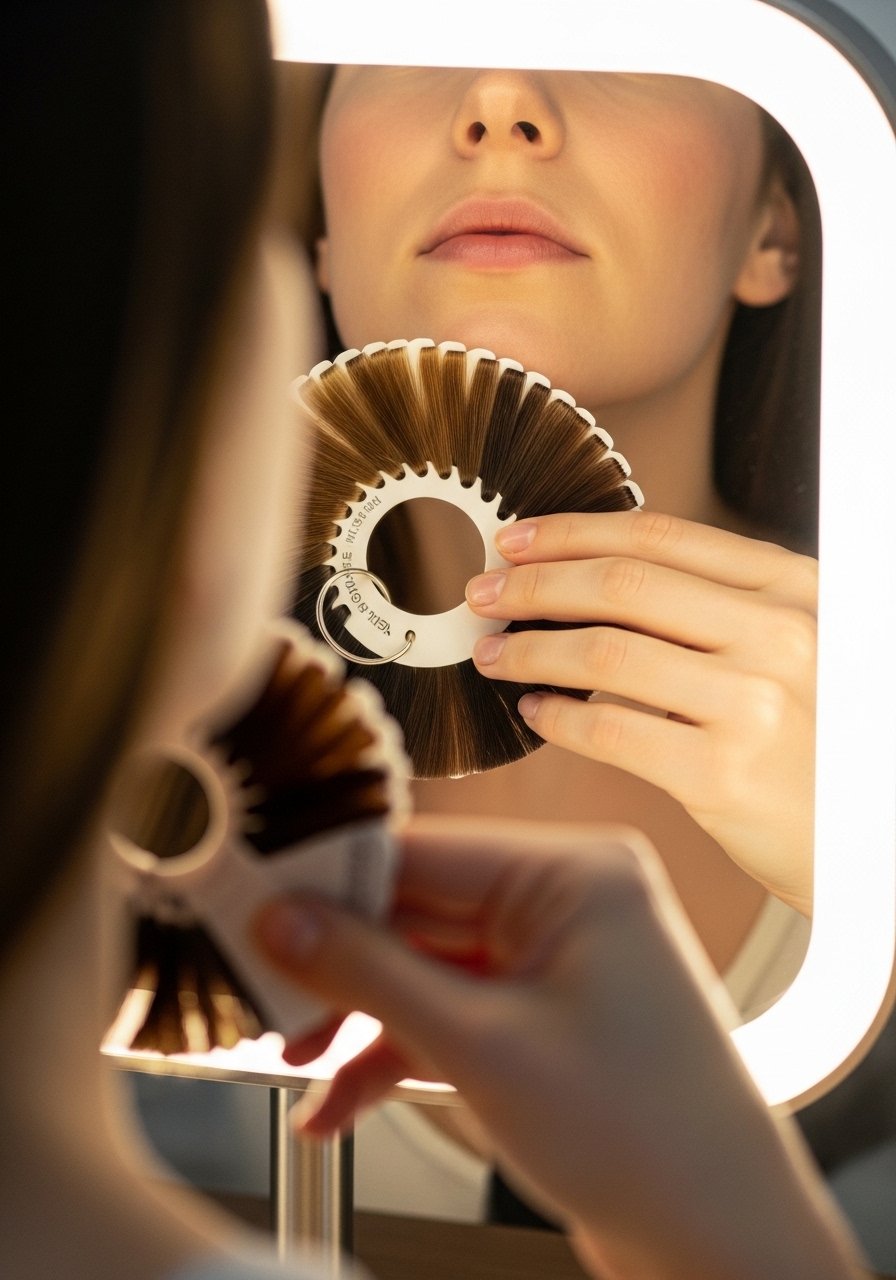
I stand by my mirror in daylight and compare metal jewelry and the inner arm. Cool skin reads better with silver; warm leans gold. I note how stark the contrast is between my hair and skin under real light.
What changes is my expectation. I stop guessing from phone photos. One insight I learned: pale doesn’t always mean cool—many pale skins are neutral. One small mistake to avoid is trusting warm bathroom bulbs or filtered selfies when deciding undertone.
Step 2: Choose the Right Shade Family, Not Just a Number
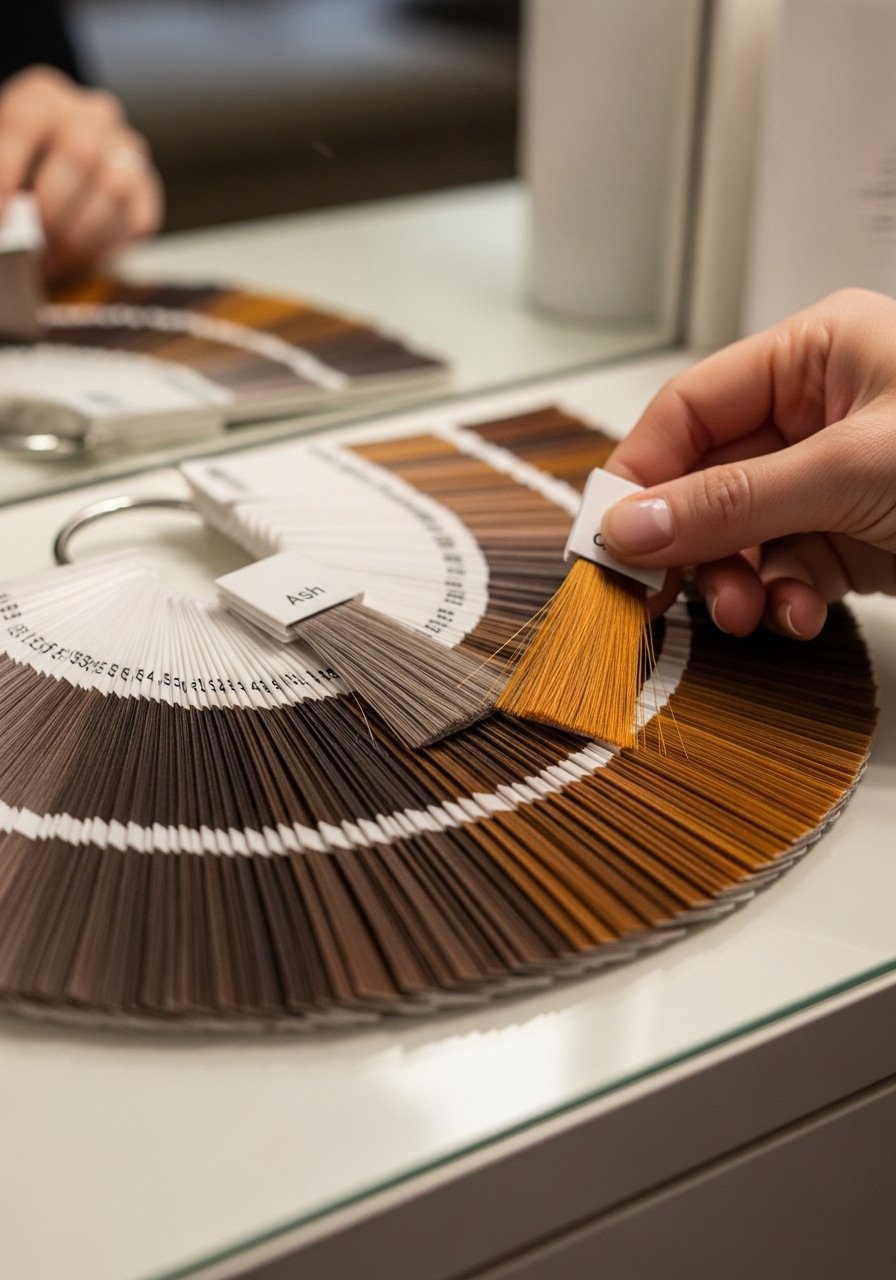
I pick a family: ash and cool blondes for cool undertones, golden or soft auburn for warm undertones, mid-tone neutrals for neutral skin. I prefer mid-tones over extremes because they keep skin visible and lively.
The change shows up in skin warmth. A slightly warm tone can lift sallow areas; a too-cool blonde can flatten my complexion. One insight people miss: very pale skin often benefits from a touch of warmth near the face. One mistake to avoid is choosing the lightest possible shade—too light can remove needed contrast.
Step 3: Decide Contrast Level and Frame with Brows
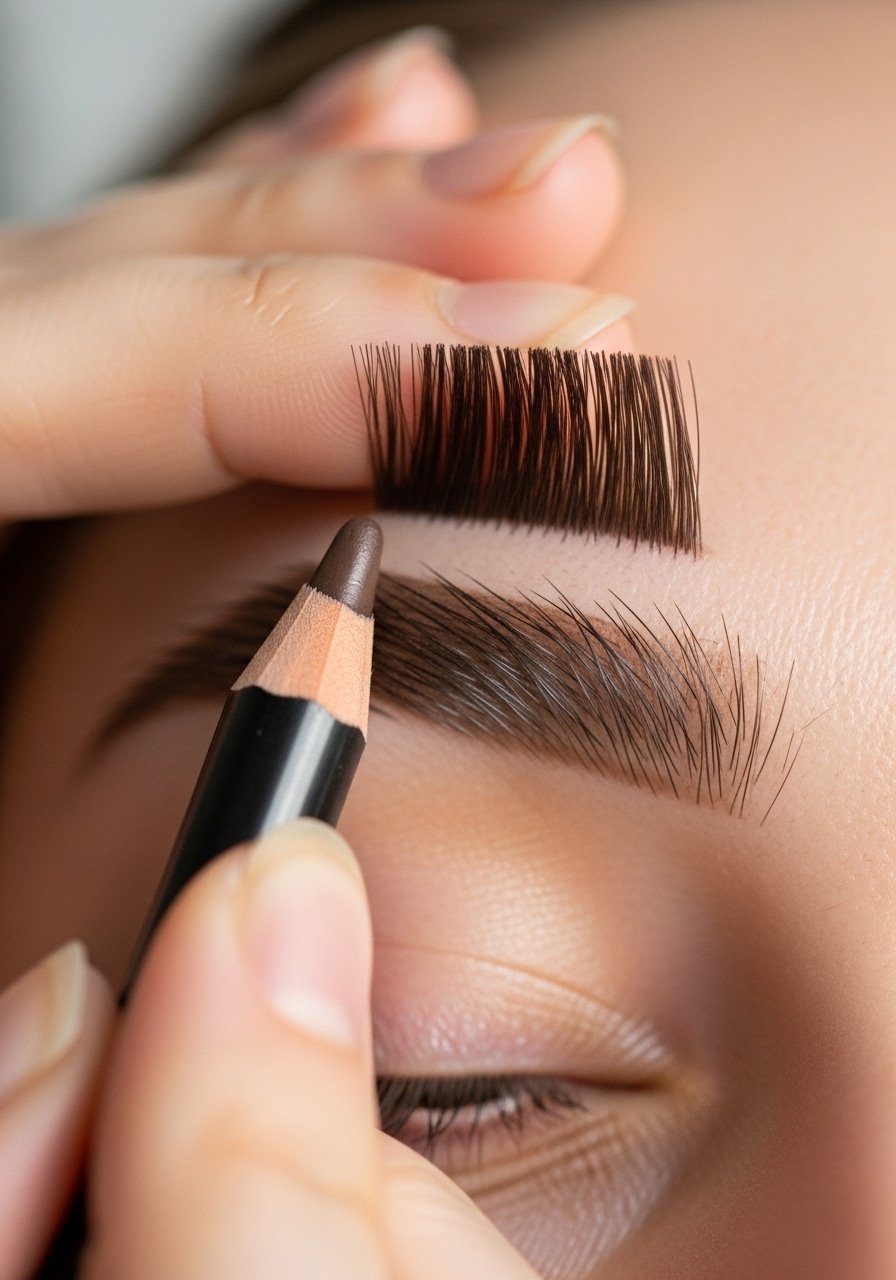
I test contrast by darkening brows or trying a root touch-up spray a shade darker than my skin. I like keeping some contrast so the face doesn’t disappear into hair. This is about balance, not drama.
The result is clearer facial definition. Many forget that matching brow tone to hair anchors the look. One insight: slightly darker roots can make pale skin look alive. One mistake: matching hair exactly to skin level, which often flattens features.
Step 4: Do a Temporary Strand Test Before Committing
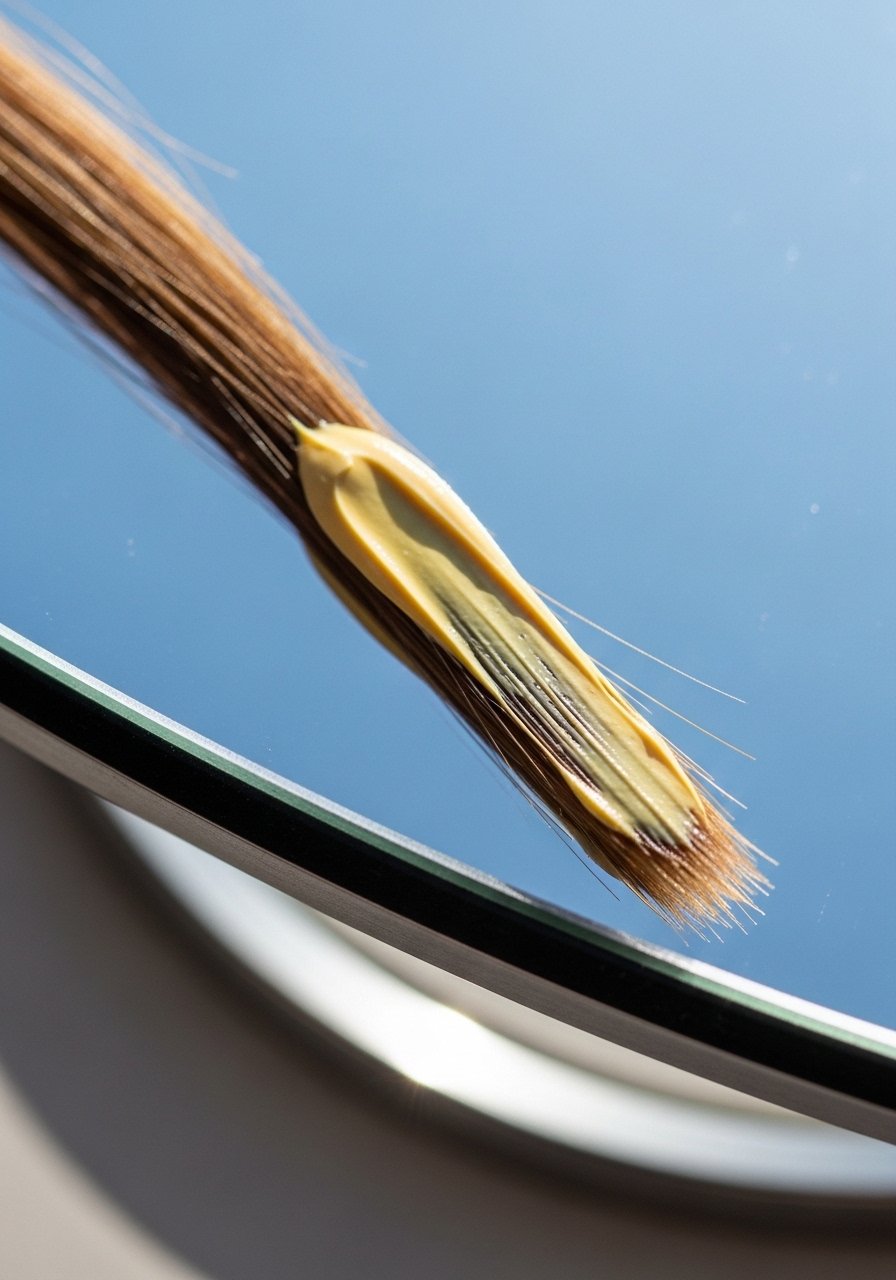
I try a temporary root spray or a color-depositing conditioner on a small section at face-framing hair. I live with it for a few washes to see how the shade plays with my complexion and natural light.
What changes is confidence. I can feel if the tone leans muddy or brightens skin. One insight: semi-permanent shades fade predictably, so testing teaches the midlife of the color. One mistake to avoid is skipping the strand test and doing a full head color based on a swatch or phone photo.
Step 5: Maintain Tone to Prevent Looking Washed Out
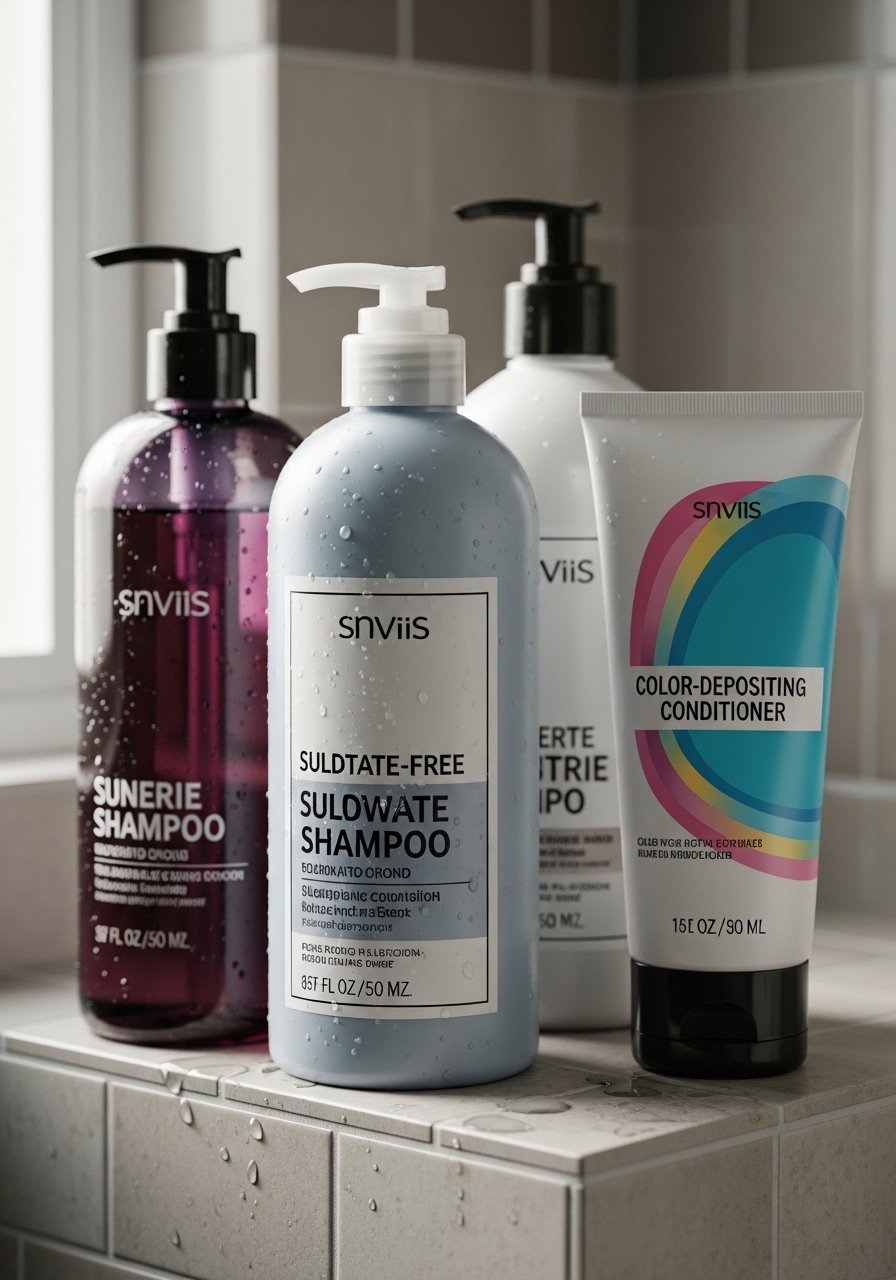
I add a gentle routine: purple shampoo weekly for cool tones, a color-depositing mask when color drifts, and a sulfate-free shampoo every wash. I also darken or fill brows slightly to keep contrast when hair lightens.
The change is steady: skin keeps a consistent backdrop to hair. One insight: small, regular maintenance beats occasional harsh corrections. One mistake to avoid is overwashing or using clarifying shampoos that strip subtle pigments and wash the color right out.
How to Tell if a Shade Is Too Cool or Too Warm
I watch the face after light exposure. If the skin looks gray or greenish, the tone is too cool. If it looks orange or overly flushed, it’s too warm.
Quick checks I use:
- Natural sunlight test near a window.
- A small touch of color-depositing conditioner to nudge tone.
- Brow pencil adjustment to see if added warmth or ash helps the balance.
Common Mistakes I Made (So I Stopped Making Them)
I once chose a shade from a tiny phone image. It read very different in daylight. I also went one level lighter than I should and lost all contrast.
Short list of avoidable errors:
- Ignoring strand tests.
- Using harsh shampoos right after coloring.
- Forgetting brow balance.
Keeping It Simple: Maintenance and Quick Fixes
I don’t overhaul routines. I add a color-depositing mask once every 1–2 weeks and use purple shampoo when brassiness appears. Root touch-up spray hides gradual change between salon visits.
Small habits keep the look consistent:
- Gentle, less frequent washes.
- Quick brow fill each morning.
- Strand tests before full recolor.
Final Thoughts
Start with what I can test at home. A daylight check, a strand test, and a brow tweak give real clues.
I trust mid-tones and slight contrast more than extreme lightness. Small maintenance keeps pale skin from fading under a new color.
Begin small, watch in real light, and adjust gently. My approach keeps color feeling like it belongs to the face, not hiding it.
Leave a Reply