I stared at swatches for hours and still felt lost.
Every "blonde" online looked different on my skin.
I wanted a shade that felt natural, not washed out or too harsh.
I'll walk through the simple, practical method I used to pick a believable blonde that suits pale skin.
How to Find The Best Blonde For Pale Skin For A Natural Finish
You’ll learn how I pick a blonde tone that flatters pale skin, test it without commitment, and maintain a soft, natural finish.
This is doable with a few tools and short trials.
The result I aim for is hair that brightens my face without looking staged.
What You’ll Need
- Hair Color Swatch Ring (natural blonde tones)
- Professional Hair Color Chart (blonde families)
- Semi-Permanent Ash Blonde Dye (cream)
- Demi-Permanent Toner (ash/pale blonde)
- Clarifying Shampoo (removes buildup)
- Purple Shampoo (gentle, brass control)
- Deep Conditioner (hydrating, color-safe)
- Disposable Gloves and Mixing Bowl Set
Step 1: Find Your Skin’s Contrast Level, Not Just Undertone
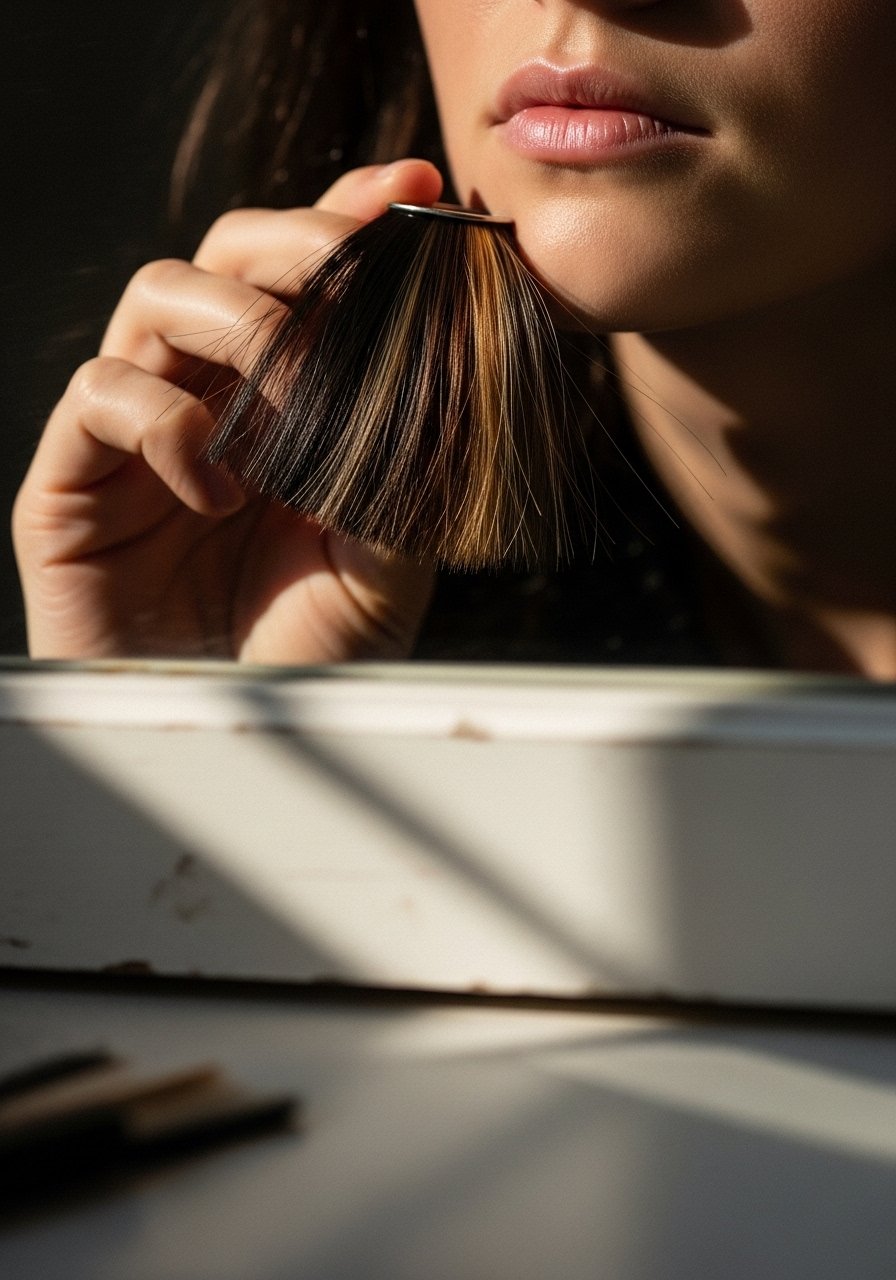
I hold the swatch ring at my jaw in daylight and watch how each blonde reads against my skin. I look for the shades that make my skin appear clear and not gray or overly pale. What changes: my face either warms up and looks healthy, or it looks washed out. One insight I learned: contrast matters more than "warm vs cool." A low-contrast pale person often needs lighter, softer blondes. One mistake to avoid: testing under artificial light — it lies.
Step 2: Narrow to Two Friendly Shades Using Photos and a Chart
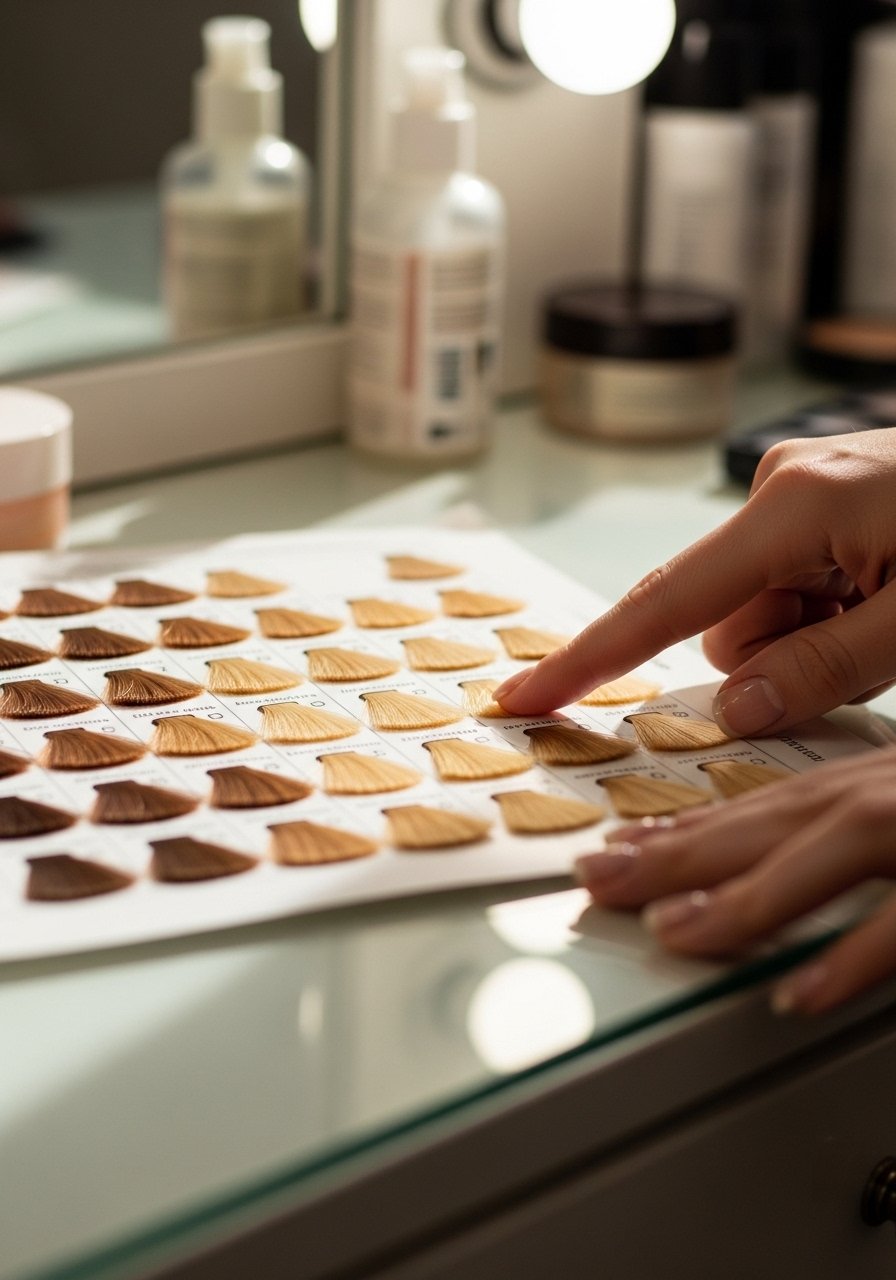
I pick two shades from the chart — one slightly warmer, one slightly cooler — and save photos under daylight. I compare those against my eye color and brows to see which harmonize. What changes: the choice becomes less about names and more about how my whole face reads. One insight people miss: eyes and brows anchor a blonde. One small mistake to avoid: trusting influencers’ photos without knowing lighting or filters.
Step 3: Do a Small Strand Test Near the Face
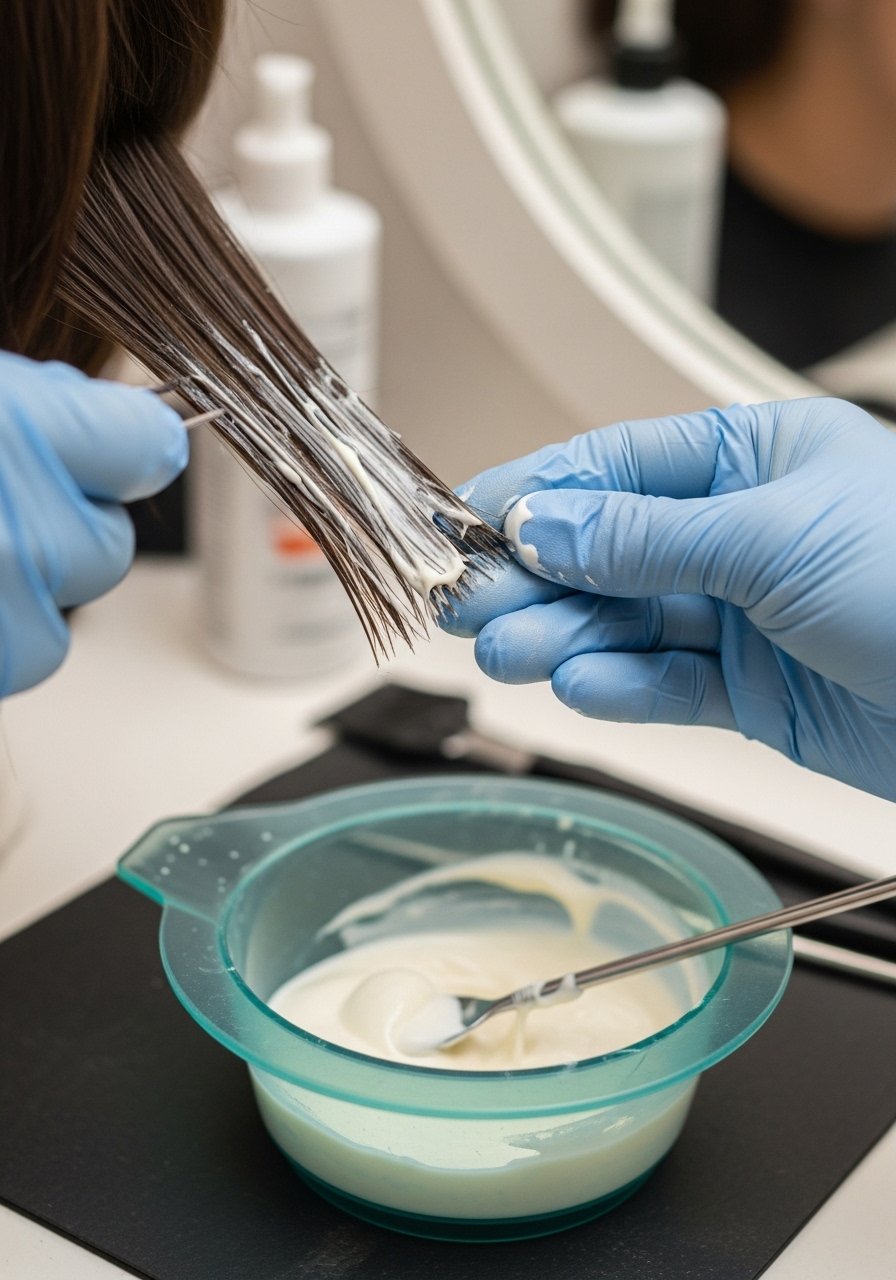
I take a single hidden strand near my face and apply the shade per instructions. I let it develop, rinse, and see the effect on skin and overall balance. What changes: I can see if the blonde brightens my complexion or makes it look sallow. One insight I use: strand tests show lifting and undertone differently on each person. One mistake to avoid: skipping the strand test and committing to full head color.
Step 4: Fine-Tune With Toner or a Demi Color
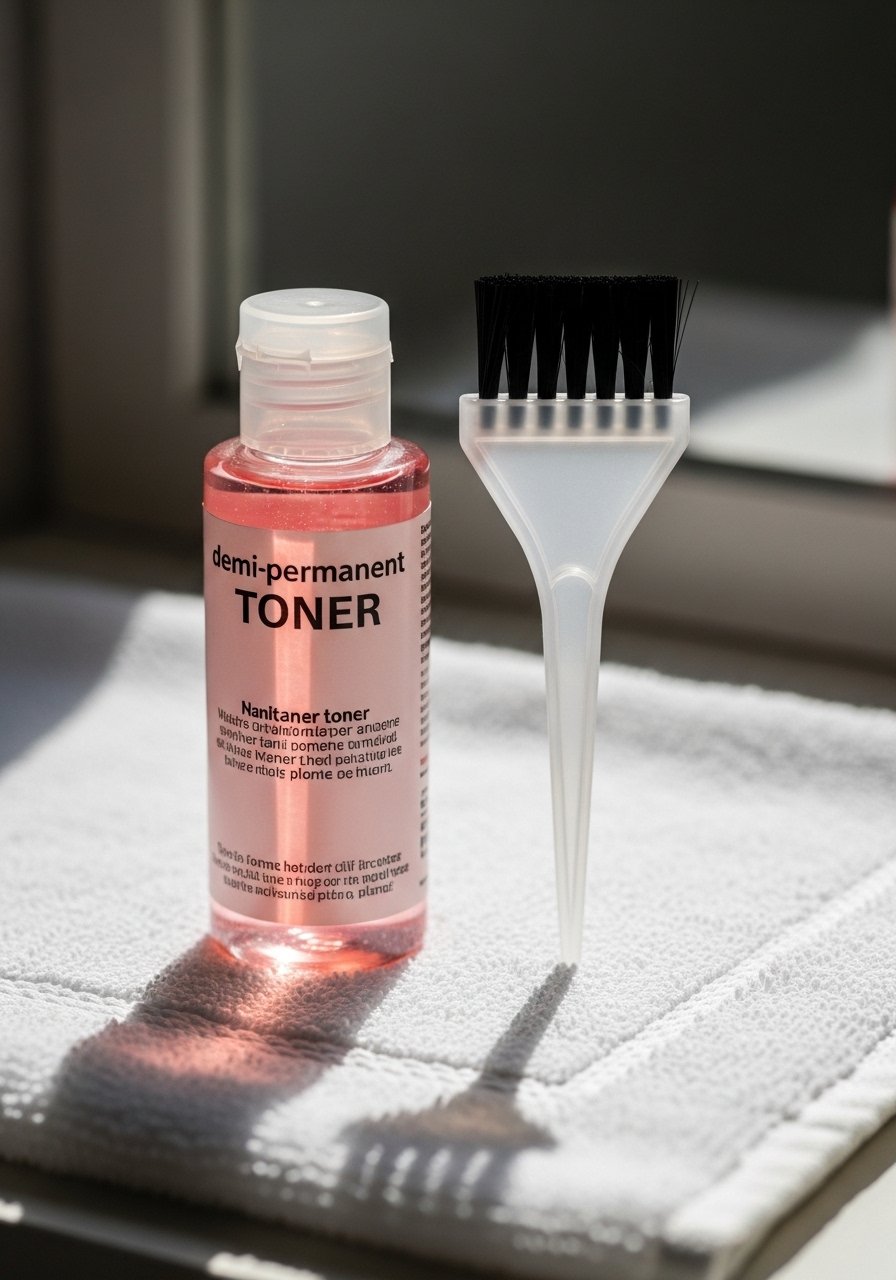
If the tested strand leans brassy, I apply a gentle demi-toner to soften warmth. I prefer low-volume developers and shorter processing to keep the finish natural. What changes: tone smooths out brass without making hair flat. One insight: a small tweak in toner can make a shade read natural rather than "dyed." One mistake to avoid: over-toning toward gray — it ages the face.
Step 5: Keep the Blonde Soft With Maintenance, Not Overcare
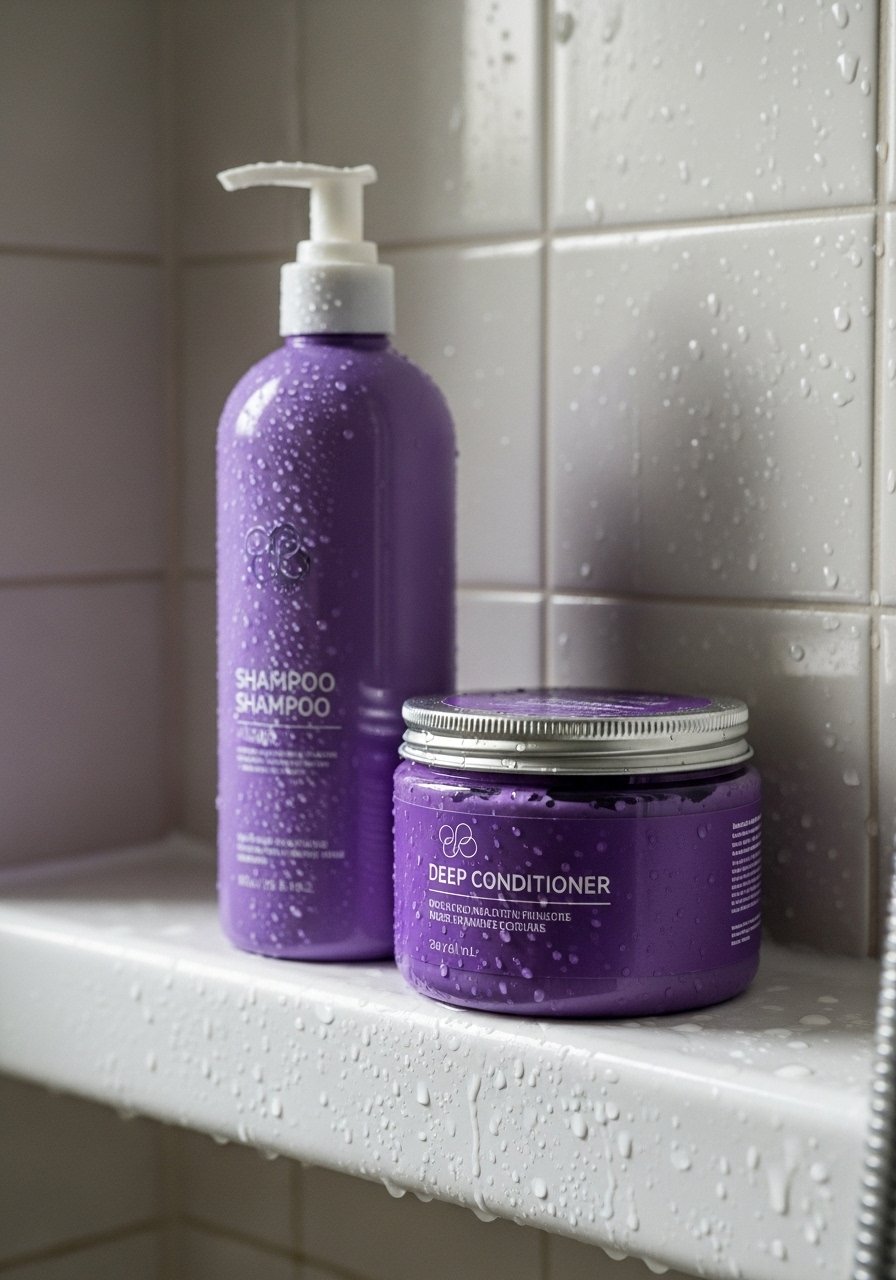
I use clarifying shampoo before coloring, purple shampoo occasionally, and a weekly deep conditioner to maintain tone and softness. What changes: my blonde stays believable and my skin keeps a healthy glow. One insight: hydration preserves color and natural sheen more than constant toning. One mistake to avoid: washing daily or overusing purple shampoo — both dull the finish.
How to Tell If a Shade Is Washing Out Pale Skin
I look for dullness and an ashy cast around the temples and jaw. If pale skin becomes gray or lifeless, the shade is wrong.
A few quick checks I do: compare the color against a few daylight photos, and test a strand near the face.
Bulleted cues I watch for:
- Face looks flat instead of bright.
- Complexion gains a greenish or gray tint.
- Eyes lose contrast against hair.
Common Routine Mistakes That Make Blonde Look Fake
I don’t over-process in one session. Heavy lifting can leave brassy or patchy tones.
I also avoid choosing a shade solely from a phone photo. Lighting and filters mislead.
Short checklist:
- Don’t skip strand tests.
- Don’t rely on indoor lighting.
- Don’t jump to the coolest toner first.
Staying Consistent Without Doing Too Much
I keep a simple maintenance loop: clarifying before color, gentle purple shampoo once a week, and deep conditioning.
I track how my skin looks in daylight every few weeks, not every day. Small adjustments keep the result natural.
If the shade starts to look heavy, I swap toner strength rather than recoloring the whole head.
Final Thoughts
Start small and test gently.
I trust the jawline swatch and a strand test more than a product name.
A soft blonde that suits pale skin is about proportion and maintenance, not extremes.
I feel more confident when the shade looks like it belongs to my face.
Leave a Reply